

India is a country of unparalleled culture, ancient history, and stunning landscapes. It is a vibrant nation of over 1.2 billion people and is the second most populous nation in the world.
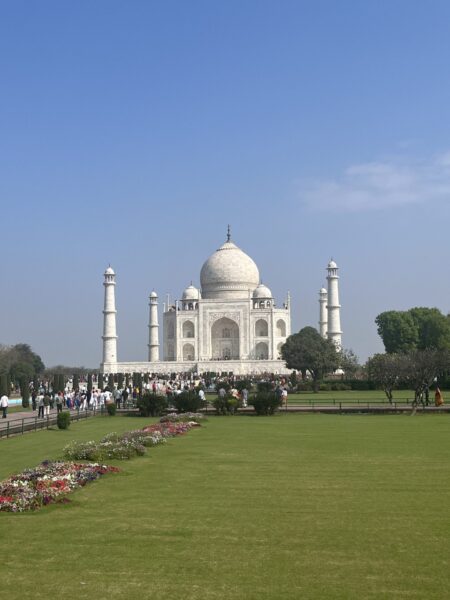
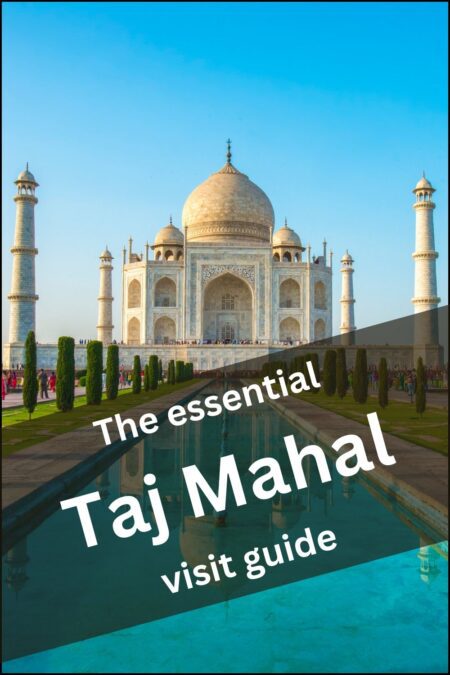
It is a country of ancient history where cultures, languages, and traditions come together in a colorful mosaic. India’s landscapes are also as varied as its people. From the towering peaks of the Himalayas to the beautiful beaches of Kerala. In cities like Delhi and Mumbai, the old and new blend seamlessly. You can explore centuries-old forts and temples right next to modern skyscrapers. Historical landmarks like the Taj Mahal and the ancient city of Varanasi offer glimpses into India’s rich past.

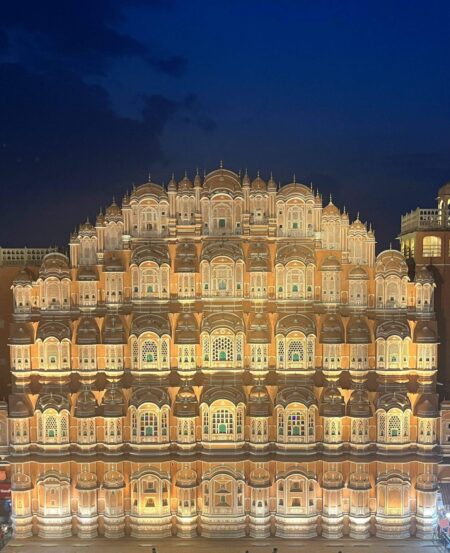


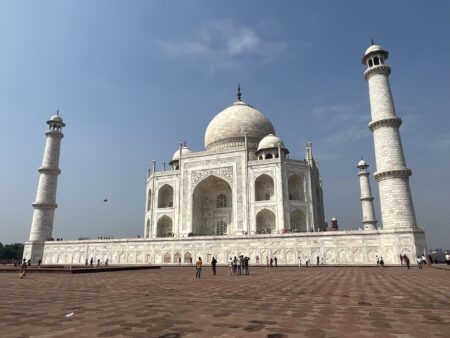
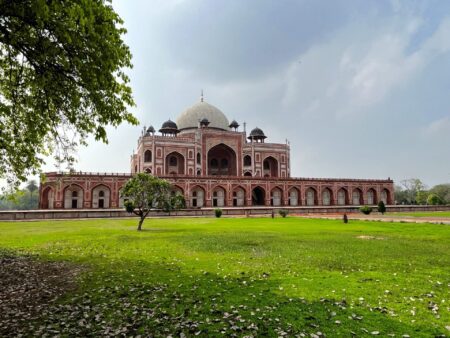

Food is a big part of the Indian experience, with each region serving up its own delicious dishes. Whether you’re enjoying spicy curries in Rajasthan or savoring the street food in Mumbai, every meal is a new adventure.
India is also a place of celebration, with festivals like Diwali and Holi lighting up the calendar with joy and color. The country pulses with music and dance, from classical performances in temples to the lively beats on city streets.
Whether you’re trekking through the mountains, exploring the deserts, or relaxing by the sea, India is full of unforgettable experiences and leaves a lasting impression on everyone who visits.
Browse All Articles
If you see this after your page is loaded completely, leafletJS files are missing.
Browse By Type
Cities

Visits
Tips on India
India Info & Stats
1,428 billion
3,287,263 km2
426/km2
$14.6 trillion
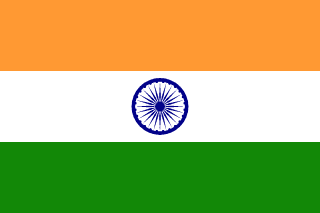
Republic of India
At A Glance
- Language: Hindi and English are the official languages.
- Population: 1.4 billion (2020 Est.)
- Timezone: UTC +5:30
- Ethnic Groups: Indo-Aryan 72%, Dravidian 25%, Mongoloid and other 3%
- Religions: 79% Hindu, 14% Muslim, 2% Christian, 2% Sikh
- Political System: Parliamentary Republic
- Currency: Indian Rupee (INR)
- Credit Cards: Credit cards are not widely used. For comparison, the average global use is around 20% and 4% in India. ATMs, though, are evenly spread around the city.
- Electricity: Socket types Europlug, British types, 230 volt / 50 hertz
- Tipping Customs: 10-15% in restaurants and taxis
- Haggling Culture: Common in markets and bazaars

Climate & Seasons
As in other regions of the tropics, the seasons are split more between the rainy and dry seasons than the four commonly known seasons. India sees rain only during the monsoon season and there are two monsoons that hit the country. The Southwest monsoon, from June to September, and the Northeast monsoon, from October to February (Northeast India, which is hit by both monsoons, is the rainiest region in the world).
Before the June monsoon, temperatures can get extremely hot. India does experience winter, although, with the exception of the Himalayan region, there is no snow and temperatures anyway remain comfortable and high.
Entry Requirements
There are quite some distinctions in visa requirements based on the visitor’s citizenship.
Click the map to see details on visa requirements for each country
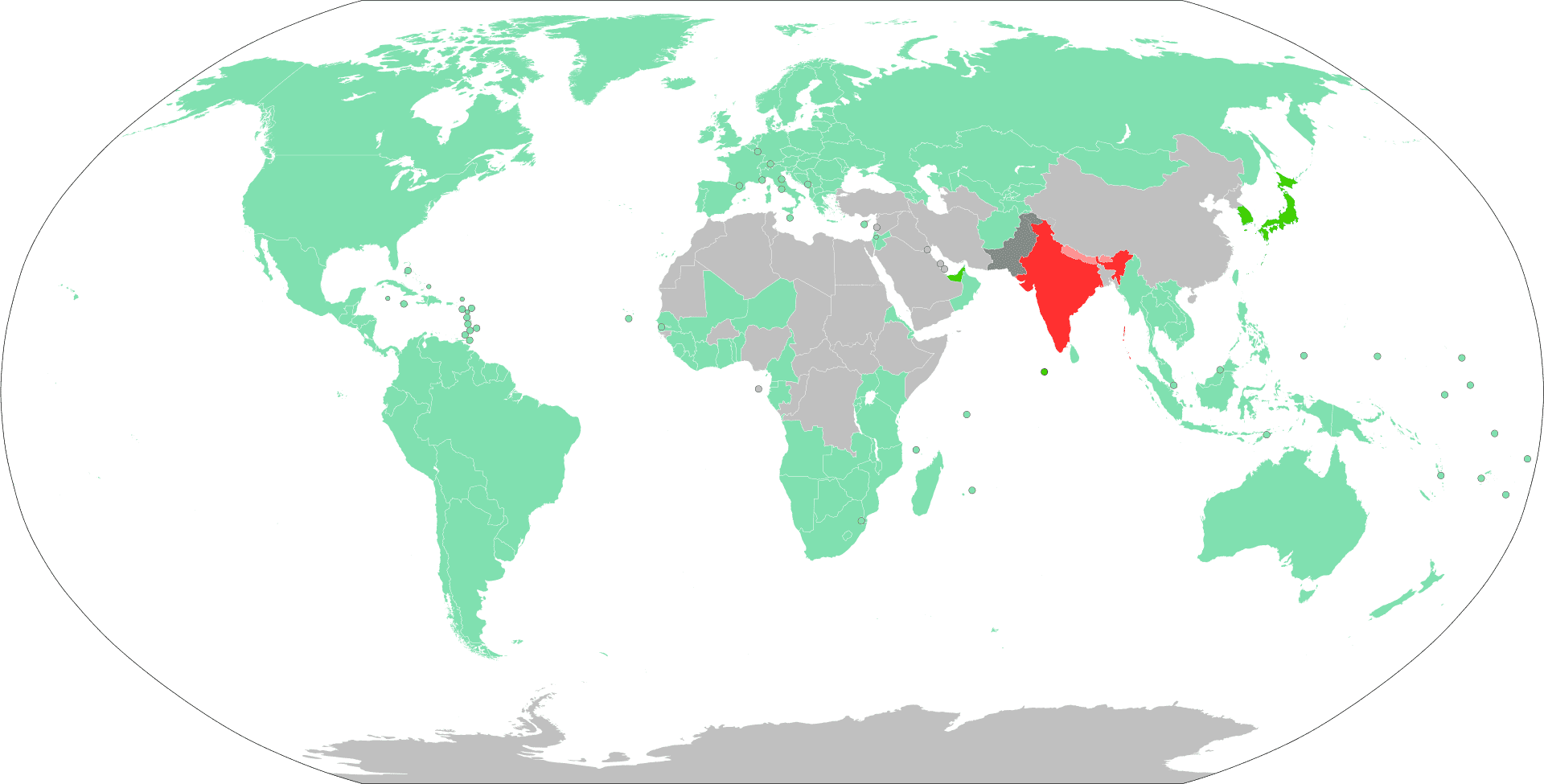
Alternatively, input your passport citizenship and quickly see the requirements that apply to you:
Safety
Safety: Given its large size, immense population, and lack of development in some areas, India is not very safe. However, when it comes to tourism, the major threats come from the high rate of pickpocketing. Scams are also quite frequent and tourists are often taken advantage of. Female travelers are also at a higher risk. Homosexuality is illegal and members of the LGBTQ community are definitely harassed. All that being said, tourism is generally safe.
Natural risks: earthquakes, floods, and severe storms routinely hit the country.
Emergencies number: 112, 100 (police), 101 (fire department), 102 (emergency medical services), 108 (emergency)
Safety Indices
Learn more on the data sources and the methodologies of ranking in the Global Safety Indices page.