


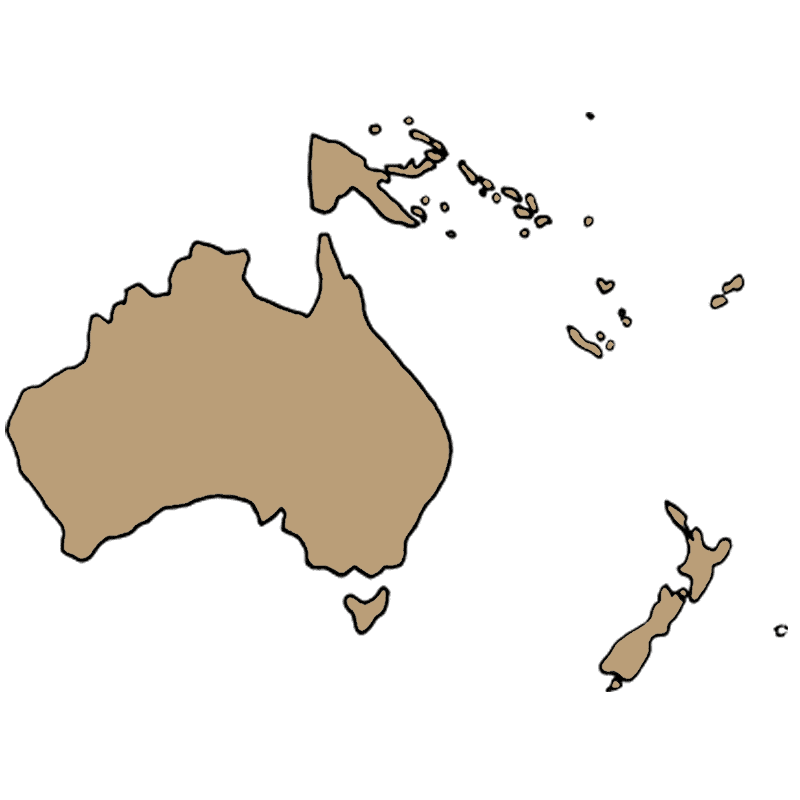


The island nation of Japan boasts a rich culture, deep history, and a unique aesthetic that has captivated people around the world. Nestled in the northwest Pacific Ocean, it is an archipelago of nearly 7,000 islands, though most of its population is concentrated on the main islands of Honshu, Hokkaido, Kyushu, and Shikoku. It is a country of ancient traditions and customs as well as modern innovation. Actually, Japan seems to live in its own unique sliver of time, where both modernity and antiquity coexist in a specific Nipponic distillation of the two. From the fleeting beauty of cherry blossoms in spring to the fiery tapestry of maples in autumn, Japan offers a visual feast across all four seasons.


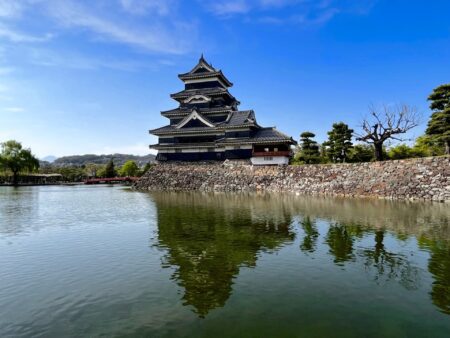
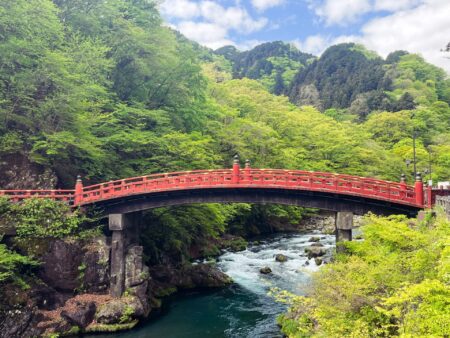


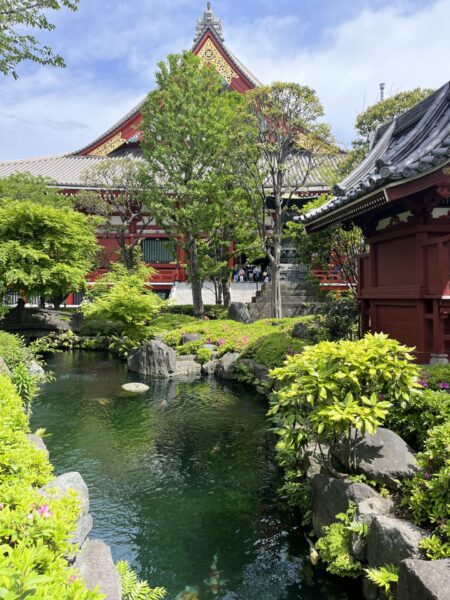

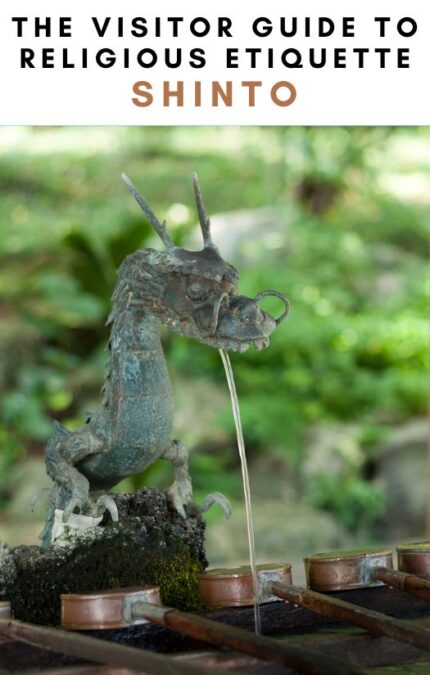
Art, architecture, picturesque countryside, vibrant cities, traditions, and customs—everything is unique in Japan, and its natural beauty, fascinating culture, and delicious cuisine are sure to entice every visitor. Tokyo, the bustling capital, is a world unto itself, blending the ultramodern with the traditional, where towering skyscrapers shadow ancient temples. Yet, venture beyond the urban sprawl to discover serene landscapes and the spiritual heritage embodied in the Shinto shrines and Buddhist temples scattered throughout the land.
Japan’s cuisine is a journey in itself. Whether savoring the subtle perfection of sushi in Tsukiji, indulging in the hearty warmth of ramen in Sapporo, or experiencing the meticulous craftsmanship of a Kyoto kaiseki meal, each dish serves as an expression of the country’s dedication to harmony, precision, and beauty. Equally compelling are Japan’s festivals, from the vibrant and lively Gion Matsuri in Kyoto to the tranquil, picturesque Hanami celebrations held under cherry blossom canopies across the nation.
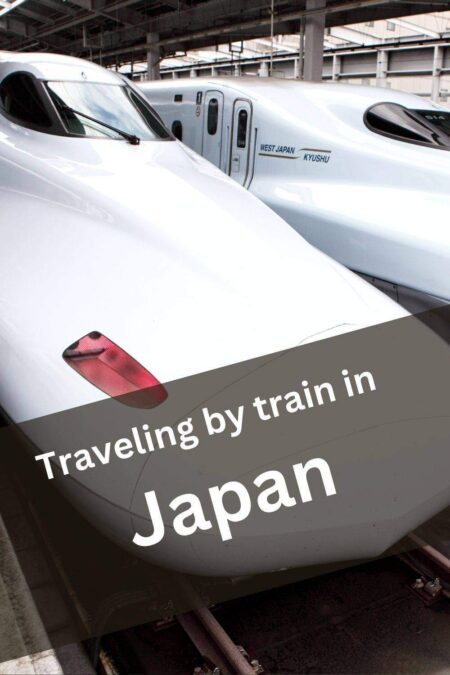
Beyond its aesthetic allure, Japan offers an array of unique experiences; soak in the comforting embrace of an onsen (hot spring), wander through the technological wonders of Akihabara, or discover the art of mindfulness through the traditional tea ceremony. Whether you’re drawn to the ancient pathways of the Kumano Kodo pilgrimage trails or the cinematic adventure of riding a bullet train, Japan promises a multifaceted journey that leaves an indelible imprint on all who visit.
Browse All Articles
If you see this after your page is loaded completely, leafletJS files are missing.
Browse By Type
Cities


Road Trips

Visits

More Travel Guides

Tips on Japan

Japan Info & Stats
124 million
377,976 km2
330/km2
$6.7 trillion
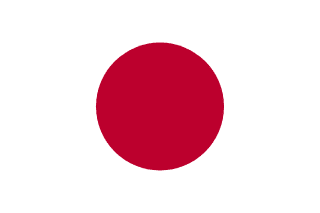
日本国
Nihon-koku
At a Glance
- Language: Japanese
- Population: 126,702,133 (July 2016 est.)
- Timezone: UTC +9
- Political System: Parliamentary constitutional monarchy
- Ethic Groups: Japanese 98.5%, Koreans 0.5%, Chinese 0.4%, other 0.6%
- Religions: Shinto 48.6%, Buddhist 46.3%, 1% Christian, 4% other
- Currency: Japanese Yen (JPY)
- Credit Cards: Credit cards are widely accepted
- Electricity: 100 volt / 50 hertz and 100 volt / 60 hertz (NEMA 1-15, NEMA 5-15)
- Tipping Customs: Not customary
- Haggling Culture: Not common

Climate & Seasons
Japan has four distinct seasons, which strongly influence the landscape of the country. Spring and autumn are considered to be the best times to visit Japan, with temperatures that are warm but not hot and not too much humidity (although autumn is subject to typhoons).
Summer is extremely humid and subject to the rainy season (the infamous tsuyu).
Winter can also bring strong winds from Siberia and snow in the mountain regions and cities can also get quite cold.
Entry Requirements
Japan has distinct visa requirements based on country of origin and citizenship.
Click the map to see details on visa requirements for each country

Alternatively, input your passport citizenship and quickly see the requirements that apply to you:
Safety
Safety: Japan is considered to be one of the safest countries in the world when it comes to crime. For example, Tokyo is the largest metropolitan city in the world and can be considered the safest of its kind when compared to other large-scale cities in the world.
Natural risks: Because it is situated on the Ring of Fire, several natural disasters pose a risk to the archipelago, including earthquakes, tsunamis, volcanic eruptions, typhoons, and landslides.
Emergencies number: 119 (fire department), 110 (police), 118 (Japan Coast Guard)
Safety Indices
Learn more on the data source and the methodologies of ranking in the Global Safety Indices page.


