

Over the span of two years, I have visited extensively Japan. During spring I went on a mission: find the best sakura spot.
I had my itinerary, I was constantly stressed out because just a single day of rain or heat could change the timings of full bloom of these delicate and short lived flowers. I had my apps that would tell me in real time how the blooming was proceeding, and my maps dotted with markers. So many markers that the underlying country could not even be seen.
The first year I stuck to the central regions on the main Honshu island, eager to visit the most famous and touristic destinations. Tokyo, Kyoto, Osaka, Mount Fuji etc.
The second year I followed the sakura trees as they blossomed across the country, starting south on the island of Kyushu and proceeding north to Hokkaido.
I visited castles, cities, gardens, forests, mountains, and islands.
Here you will find a list of some of the most popular cherry blossom destinations, with the top hanami spots and sakura festivals for each, and some personal favorite places that left a lasting impression on me.

In the end though there is no single “best” spot. It all comes down to preferences. Whether you prefer seeing people in bustling cities stop to admire the beauty, or want to see the rivers and moats surrounding ancient castles covered in pink petals. Perhaps you want to be immersed in nature and surrounded by the trees and see the hanagasumi, that “flower haze” where so many blossoms obstruct your line of sight and seem to cover the sky. Or you prefer to take in the scenery of iconic landscapes of shinto shrines and buddhist temples immersed in white.
It also depends on what part of the lifecycle of sakura flowers you find most compelling: is it the timid first buds that pierce through the cold and damp early spring mist? Almost a tender moment where you root for and want to protect that little flower that is defiant towards winter. Or the powerful explosion of the full bloom when the country is hit by a wave of nature and everything turns to white and pink? Or is it sakura-fubuki, the emotional, almost sad, spectacle of standing under a tree while the petals falls like confetti in a carnival? Or hazakura, the lush, impossibly green, new leaves that bud over a carpet a pink fallen flowers? Different spots are better for each of these moments.
So in the end I can only list all the various regions, cities, and parks, highlighting what each one has to offer. As said, there is no single “best” spot.
…except there is and it’s Hakodate ❀ Mic drop.
Contents
About
The cherry blossom, known in Japan as sakura (桜) is the flower produced in spring by ornamental cherry trees and is the national flower of Japan.
Japan is proud of its different seasons and the characteristics that they bring, and springtime and the blossoming of cherry trees is an important moment in Japanese culture. Sakura repesents the renewal of life and also its ephemeral nature and visitors and residents alike flock to the streets and take pictures of the wonderful flowers, as well as enjoy hanami (花見, literally meaning “flower viewing“). Blue tarps are laid everywhere in parks and gardens and people sit beneath the trees to enjoy the transient beauty of the scenery. Picnics and barbeques are often held, with children playing and families sharing food. When hanami is done at night, when trees in cities are often lit up, adding a somewhat fluorescent hue, it is called yozakura (夜桜 – “night sakura“) and bring an equally enchanting spectacle.
Numerous sakura matsuri (“cherry tree festivals“) are held all around the country bringing music, waves of people, exhibitions, street artists, and tons of street food that can be enjoyed at the locations where cherry trees are most prevalent. But it can also be a time of silent contemplation and a solo practice of simply reading a book in a tranquil atmosphere.


Sakura blossoming lifecycle
The full blossoming of cherry trees is a brief period, usually lasting a week, making this short-lived spectacle even more fascinating. The opening of the flower buds and blossoming depends on the climate and temperatures and can last about 1 or 2 weeks.
The event is closely monitored by the Japanese Meteorological Agency, which announces every year when the full bloom is expected in each part of Japan. There are also numerous apps that give a real time overview of the blossoming stages of the cherry trees (one of these is Sakura Navi by the privately-held Japan Meteorological Corporation).
Generally speaking, sakura lasts from March to May, with the blossoming of the trees moving northward throughout the country. So full bloom will be experienced earlier in the south (in some cases much much earlier such as on the island of Okinawa where it occurs in January). The southern region of Kyushu and central island of Honshu experience full bloom around end of March and early April, while the northern region of Hokkaido by the end of April (a notable exception to this northbound progression is Tokyo which often has full bloom earliest on Honshu, sometimes even by mid-March).
When the flowers start falling, it creates an equally spectacular scene of white and pink petals carried by the wind, and this phase is even more short-lived given the delicacy of the flowers. This is often referred to as sakura-fubuki (桜吹雪 – literally meaning “cherry blossom snowstorm”).
This is quickly followed by hazakura (葉桜) – the generation of green leaves, which paint the surroundings of parks, gardens, and streets in a lush, almost jungle-like color. I cannot stress enough how green the new small leaves are. They are fluorescent, like computer RGB(0,255,0) green.


Hanami Etiquette
Firstly, respect nature and do NOT touch/pick the flowers. Hanami is a purely visual spectacle.
Despite being a joyous moment of explosion of spring, Japan has strong social norms and a “quiet” culture. Therefore even if surrounded by crowds of people in cities, try to imagine being in the woods and not be too rowdy. Similarly drinking sake under sakura trees is a must and libations are common. However knowing ones limit is clearly also important.
Blue tarps are laid in the most scenic spots of gardens and parks. If you plan on spending the day in a popular place, know that they get crowded very very fast, with people staking out the locations as early as 6 in the morning. The practice of laying down a tarp and reserving the spot without anyone being there is known as bashotori and is generally frowned upon but nonetheless occurs very frequently. Even if nobody is there consider that spot occupied if there is a tarp.


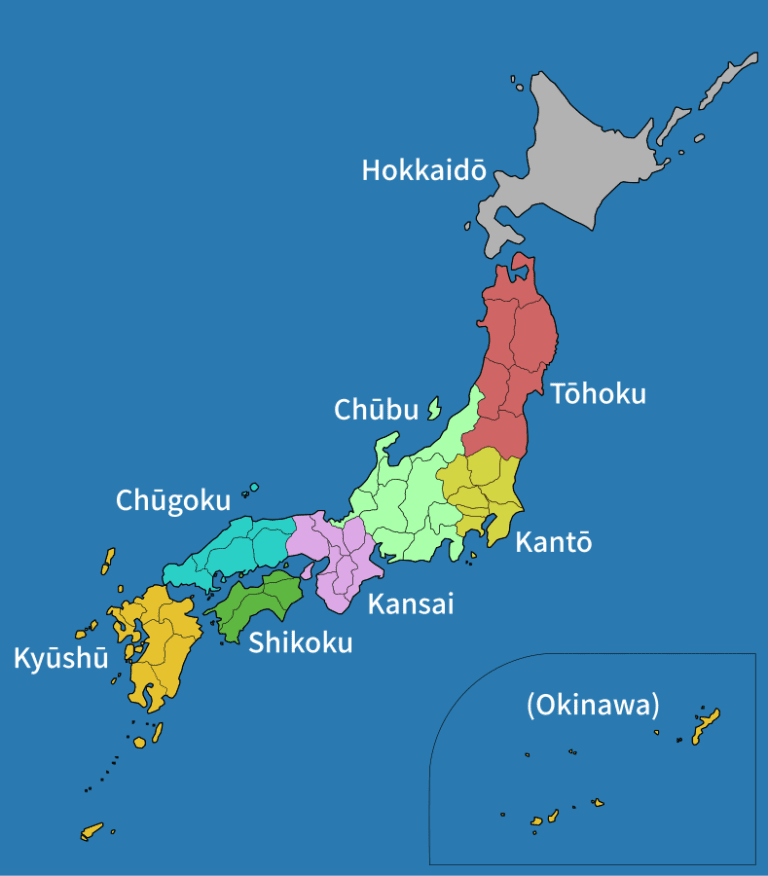
Kantō Region
Kantō region is relatively small but packed to the brim and is the most populous and industrialized region of Japan. With attractions such as the incomprehensibly vast metropolis of Tokyo, the forests of Nikko, and the onsens of Hakone, it is the most popular tourist destination in the country.
Tokyo
東京, Tōkyō
Tokyo needs no introduction. The bustling capital of Japan holds so many attractions that one could spend months visiting only the touristic places and not be able to see it all (I tried, 4 weeks, still barely scratched the surface). From the incredible Shibuya Scramble Crossing, to the historic Senso-ji Temple and streets of Asakusa. From the iconic Tokyo Tower and the more recent architectural marvel of the Tokyo Skytree. From famous eclectic shopping streets such as Harajuku and Akihabara, to nightlife bustling venues like Kabukicho and Roppongi. Ginza, Shinjuku. the Imperial Palace, the Meiji Shrine in Yoyogi Park. The list goes on and on.
Not only is Tokyo a vibrant city bustling with life and culture, but it is also packed with great places to see the sakura trees. Many locals and visitors alike flock to it every year during the cherry blossom season as the landscape of the city transforms into a pink-and-white wonderland.
Be sure to check out this article on my visit to Tokyo for more information

If you are short on time and have to choose a single place to enjoy the sakura full bloom, Tokyo (and Kyoto) might be the best places. Keep in mind though that they are the most famous and sought after destinations, so prices skyrocket and availability of restaurants and hotels is incredibly limited.


Best hanami spots
Tokyo has many parks and gardens each with sakura trees. Ueno Park and Sumida Park are the most famous places, each offering tranquil walks and plenty of opportunities for picnics and enjoying hanami. Arguably one of the most charming hanami spots is Meguro River, in that it is different as the line of trees coasting the river create their reflections effectively doubling their numbers. At night when they are lit up it is even more fascinating. The large Sinjuku Gardens and Gardens of the Imperial City also offer plenty of viewing opportunities. Even a simple walk around the moat of the Imperial City will reward with cherry trees perched over the riverbank. Similarly (and more famous), Rikugien Garden is popular traditional scene for hanami with its weeping cherry trees, especially beautiful when the trees are lit up in the evening. It is actually quite simple to enjoy the sakura tees in Tokyo: just get out of the subway station and see the city painted in white and pink.
Sakura festivals in Tokyo
- Shinjuku Gyoen National Garden: This traditional Hanami festival is held in Shinjuku Gyoen National Garden, one of Tokyo’s most popular parks. More than 1,000 cherry trees bloom in the park, and visitors are able to enjoy the beautiful flowers and festivities.
- Yoyogi Park Sakura Matsuri: Similarly to the Shinjuku Gyoen National Garden Sakura Festival, Yoyogi Park is extremely popular and features traditional ceremonies, performances, and green tea ceremonies.
- Nakameguro Sakura Festival: Numerous festivals occur around the popular Meguro River, offering liver performances, taiko drumming, and obviosuly many food stalls to enjoy delicious cuisine.
- Sumida Park Sakura Matsuri: Located on the banks of the Sumida River, Sumida Park has the most diverse range of cherry blossom trees of any park in Tokyo. The Sumida Park Sakura Matsuri is also one of Tokyo’s biggest firework events, with grand displays of pyrotechnics and sakura blooming on the banks of the river.
- Ueno Sakurajima Matsuri: Ueno Park in the heart of Tokyo has one of the longest-running and most famous Hanami festivals. Each year, hordes of visitors flock to Ueno Park, along with food and drink vendors, to enjoy the pink colors of the cherry blossoms and the energy of the picnickers.
- Tokyo Midtown Hibiya – Tokyo Midtown Hibiya is relatively new to the Hanami scene, but this festival is quickly becoming a must-see. Visitors can take part in all the traditional picnic festivities with a contemporary twist. From craft beer drinking sessions to live music and seating areas set up under the trees, there’s something for everyone here.
- Shinjuku Chuo Park Sakura Matsuri: Located in the heart of Tokyo just off Shinjuku Station, this park hosts an annual cherry blossom festival complete with street performances, food stalls, and a lantern parade.
- Harajuku Omotesando Genki Matsuri: The lively and eclectic Harajuku street becomes a top destination with shops, restaurants, and bars in this area of Tokyo hosting live music, street dancing, and a pink petal carpet walk.
Nikkō
日光市 Nikkō-shi
Nikko, located in Tochigi Prefecture in Japan, is a city full of culture, stunning natural scenery, and historical significance. The town is home to the “Shrines and Temples and Nikko” complex which contains the UNESCO-listed Nikko Toshogu Shrine, a lavish and intricately decorated complex set amidst a forest of towering cedar trees. Nikko National Park is also a major highlight of the region and nature enthusiasts can revel in the picturesque beatury of majestic waterfalls such as Kegon Falls, tranquil lakes like Lake Chuzenji, and scenic hiking trails.
During sakura season the already beautiful nature landscape of Nikko is transformed by the ethereal cherry trees that bloom in unison creating a breathtaking scenery of otherworldly beauty.
Nikko is a dream for all those looking to experience an unforgettable springtime in Japan and is one of the best places to enjoy the scenery outside of major cities and be immersed in the countryside landscape.
Be sure to check out this article on my visit to Nikko for more information


Best hanami spots
The Shinkyo Bridge at the entrance of the “Shrines and temple of Nikko” complex is the most famous attraction in terms of siteseeing. During spring, the already picturesque vermillion bridge within the green forest becomes even prettier with the surrounding cherry blossoms. In the National Park, the walking paths along the beautiful and peaceful Lake Chuzenji are also lined with trees making it an ideal place for a tranquil stroll. Kegon Falls is also a famous viewing spot where the already dramatic waterfall is complemented with the pink trees perched on the side walls of the valley.
Sakura festivals in Nikkō
- Kegon Falls Hanami Festival: This is the most celebrated Hanami festival in Nikko. The Kegon Falls Hanami Festival features music, traditional Japanese dance performances, and food stalls with local specialties. Visitors can enjoy picturesque views of the Kegon Waterfall while admiring the cherry blossoms in full bloom.
- Kanezo Shrine Hanami Festival: This popular event takes place at Kanezo Shrine, which is located near the entrance of the World Heritage site Nikko National Park. Visitors can stroll through the shrine’s grounds while admiring the beautiful cherry blossoms and enjoying a variety of traditional Japanese performing arts.
- Temple and Museum Hanami Festival: This hanami event features a variety of activities including taiko drumming and folk-dance performances. Visitors can also explore a variety of museums and temples in the area, including the Nikko Toshogu Shrine and the Nikko Imperial Villa.
- Kawanaka Hanami Festival: This hanami festival is held on the grounds of the 17th-century Kawanaka Shrine in the area surrounding Nikko National Park. Visitors can enjoy traditional Japanese music and dance performances, traditional food stalls, and night-time illuminations that add to the mesmerizing atmosphere.
- Kodakara River Hanami Festival: This event is one of the liveliest Hanami celebrations in the Nikko area. The Kodakara River Hanami Festival features food stalls offering local delicacies, fireworks, and performances by traditional Eastern music bands. Visitors can also walk along the river and enjoy the colorful cherry blossoms in full bloom.
Kansai region
The Kansai region contains the ancient imperial cities and is the second most popular destination for visitors. It hosts wonders such as the first imperial city of Nara, the “city of 10,000 shrines” of Kyoto, the bustling metropolis of Osaka, the buddhist sacred mountain and pilgrimage site of Koyasan, and the enchanting white castle of Himeji.
Kyoto
京都, Kyōto-shi
Located in the Kyoto prefecture, Kyoto is a city steeped in history and culture. It would be criminal to skip a visit to Kyoto, and even more so during sakura.
The city is home to over 1,600 temples and shrines, such as the iconic Fushimi Inari Taisha offering mesmerizing pathways lined with thousands of vibrant red torii gates, or Kinkaku-ji (or Golden Pavilion), a Zen Buddhist temple enveloped in gold leaf and reflected beautifully in its surrounding pond.
Kyoto’s historic districts, such as Gion, the famed geisha district, transport visitors back in time with their traditional wooden machiya houses and elegant tea houses.
Nature lovers can find solace in the Arashiyama district, with wonderful hiking trails, buddhist temples, and the famous Bamboo Grove.
Be sure to check out this article on my visit to Kyoto for more information

Kyoto’s breathtaking natural beauty that captures the essence of Japan’s past and artistic heritage is increased manyfold during sakura season. The city gets crowded fast as it is literally invaded by visitors, but rightfully so, since there is so much sightseeing during this time of year, with the many temples and shrines all joined by picturesque walking paths lined with the beauty of cherry blossoms.
Kyoto is also one of the cities where you can see most people dressed in traditional kimonos, adding to the spectacle, especially in the areas surrounding the traditional Higashiyama district, and the Geisha district of Gion.
Much like Tokyo, if you are short on time and can only stay in one city during sakura full bloom, Kyoto might be the best spot. Also here, keep in mind that you will be part of crowds of millions of people, so plan well ahead and be prepared also for much higher expenses during the month of April.


Best hanami spots
One of the best places for sakura viewing is Arashiyama, on the western side of the city. It offers spectacular views both alongside the river, as well as from the hikes up the mountain. Sticking to the city center instead, the grounds of Nijo Castle are immersed in cherry trees. The “geisha street” of Shimbashi-dori and nearby Pontocho alley are also a must see, especially at night, as well as Higashiyama ward and the walk towards Kiyomizu-Dera where you have great views of the city from the observation deck. Higashiyama though is incredibly crowded during this time and sakura-wise there are better places. The same can be said for the ultra-famous Fushimi Inari Taisha shrine, although hiking Mount Inari will reward you with little slivers of paradise when you encounter the pink sakura trees. In Higashiyama though, Maruyama Park has hundreds of cherry trees and is a beautiful place to walk around and enjoy the popular sakura festival there. Another prime location for the sheer number of sakura trees is the Philosophers Path leading from Nanzen-ji (also here though, packed with visitors).
Personally I was blown away by Hirano Jinja as this Shinto shrine, famous for its huge orange Torii gate, is completely immersed and surrounded by large sakura trees. A visit to this shrine and the nearby zen gardens of Kitano Tenmangu shrine, give in my opinion the best balance of beautiful sights and a relatively more tranquil atmosphere.
Sakura festivals in Kyoto
- Nijō Castle Hanami: Held annually at Nijō Castle, this hanami event features a variety of activities, such as traditional dances, a potted plant market, food stalls, and a sakura light-up in the evening.
- Philosopher’s Path Hanami: This hanami event is held along the Philosopher’s Path near Nanzenji Temple, which is one of the most popular places to view the cherry blossom in Kyoto. During this event, visitors can enjoy the picturesque cherry trees while snacking on street foods.
- Maruyama Park Hanami: This hanami event is held at Maruyama Park and is one of the best places to view the cherry blossom in Kyoto. This park offers a great view of the mountains in the background and also has some traditional food stalls during the festival period.
- Kitano Rikyu Garden Hanami: Held in the Kitano Rikyu Garden, this hanami event is a great place to relax and enjoy the sakura while listening to traditional music performances.
- Nanzenji Hanami: This hanami event takes place at the Nanzenji Temple, which is famous for its sakura viewing and has been a popular spot since the Edo period. There are also many food stalls and activities during the event period.
Yoshino
吉野町, Yoshino-chō
Mount Yoshino is often considered to be the king when it comes to “best sakura spot” and is arguably the quintessential destination for experiencing Japan’s beauty during spring. Located near the first imperial city of Nara, Yoshino is famous for the quantity of cherry trees (30,000 of them) that line up the mountain sides.
Yoshino hosts also the sacred Kinpusen-ji Temple, an important center for Shugendo, the Japanese religion that combines elements of Buddhism, Shinto and mountain worship. Several other temples and small shrines adorn the mountain trails, highlighting the spiritual significance of this mountain.
The small town on Yoshino already features hundreds of cherry trees along its streets, and these are dotted with numerous shops selling souvenirs, and food stalls. Proceeding forwards and upwards on the actual hikes, you will be presented with an increasing spectacular view of the landscape with thousands of sakura trees.


Best hanami spots
Yoshino doesn’t have a single best spot as the entire mountain is covered in sakura trees. It is only a matter of how far up you want to hike. There are four main stops: Shimo Senbon (lower 1000 trees) at the base of the mountain. There is a ropeway that skips this part and leads directly to town but the walk is wonderful and is already immersed in sakura trees (besides, good luck spending the entire day queueing up for the ropeway).
Naka Senbon (middle 1000 trees) is where the main town is located, offering shrines and temples, restaurants and tourist shops, and lively streets lined with cherry trees. Here, the Yoshimitzu shrine is a great viewing spot, as well as the Naka Senbon Park further up which has many rolling hills immersed in cherry trees allowing for picnics and enjoyment of the beautiful surroundings.
Kami Senbon (upper 1000 trees) is where you are more immersed in the sakura trees and in the forest. Here the most popular vieweing spot is the Hanayagura View Point which offers a panoramic view of Yoshinoyama. Lastly Oku Senbon is the inner part where it’s less about sakura viewing and more about doing a tranquil hike immersed in nature.
Sakura festivals in Yoshino
- Nakanochō Hanami: This event is held at the Yoshimizu shrine beneath the stunning banks of cherry trees, where travelers gather in groups to marvel at the blossoms and celebrate their full beauty. Participants can even join in the Omikoshi (portable shrine) procession around the shrine grounds.
- Naka Senbon Hanami: This event takes place on the two sides of Senbon-dōri Street, which is lined with 1000 cherry trees, and visitors are greeted by many stalls, traditional performances, and entertainment to mark the occasion.
Himeji
姫路市, Himeji-shi
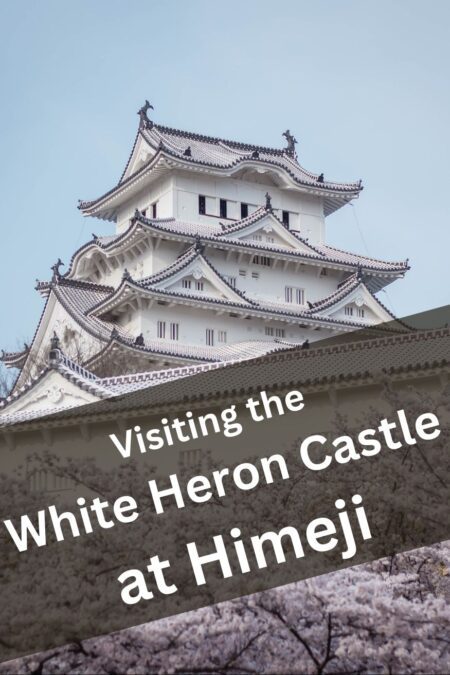
Only a 30 minute bullet train ride from Nara, Osaka or Kyoto is the city of Himeji. It is renowned for hosting the iconic Himeji, or “White Heron” Castle, regarded the most spectacular castle in the country.
The castle interior is well worth a visit and has an intricate defensive design and also offers wonderful of the entire city from it’s top floors, Surrounding the castle, Kokoen Garden consists of nine separate gardens showcasing various traditional Japanese styles. Other famous landmarks are Engyo-ji Temple on Mount Shosha, where the characteristic spritual and tranquil atmosphere blend with surrounding nature.
Much like Mount Fuji, it doesn’t get any better than Himeji when it comes to having that postcard picture-perfect scenery. The already spectacular and delicate white castle becomes one with the surroundings of cherry trees which add even more elegance to it and making it an awe inspiring sight.
Be sure to check out this article on my visit to Himeji for more information


Best hanami spots
The castle grounds are surrounded by sakura trees where people enjoy hanami on their iconic blue tarps. Within the castle grounds, Kokoen Garden is a prime spot for viewing sakura trees in the wonderful landscape garden.
My favorite spot is the Senhime Botan Garden, on the side of the castle, near the Western Bailey. It is a small garden with numerous winding paths and features a variety of flowers and potted plants, all under the canopy of giant cherry trees. It might be the least “japanese” of gardens with stone benches and rose flowers, but the pink skydome and paths covered in pink petals make it a joy to stroll through.
Sakura festivals in Himeji
- Miroko-ji Temple Hanami Festival: This annual hanami celebration is held every year in the grounds of the Miroko-ji Temple in Himeji. It features a variety of traditional Japanese activities such as mochi making, hot-pot dishes, and kimonos wearing for guests attending the festival. There is also a firework display in the evening.
- Shibunmi Garden Hanami Festival: This festival is held at Shibunmi Garden in Himeji, known for its remarkable cherry blossoms. Guests can enjoy drinks and food while listening to traditional Japanese music in the garden amongst the beautiful pink flowers.
Osaka
大阪市 Ōsaka-shi
The thriving metropolis of Osaka is renowned for its lively and exuberant atmosphere, modern architecture and vibrant culture, and transforms in a haven during cherry blossoms season.
Often referred to as the “Kitchen of Japan,” the city is a food lover’s paradise, offering iconic dishes such as takoyaki (octopus balls) and okonomiyaki (savory pancakes), best enjoyed in the famous Dotonbori district.
The city’s modern allure is evident in areas like Umeda and Namba, which offer towering skyscrapers, entertainment complexes, and endless shopping opportunities . It is also a great destination for families which opt for day visits to Universal Studios Japan.
The city though is not only modernity. Osaka Castle, the symbol of the city, is of great historical importance in feudal Japan times, and its impressive architecture make it a must-visit landmark. The city hosts also the Sumiyoshi Taisha shrine, one of Japan’s oldest shrines.
During spring the city transforms into a cherry blossom haven and its popular attractions, riverbanks and especially the many expansive parks, become a prime spot for hanami and host numerous sakura festivals.


Best hanami spots
Osaka Castle Park is a must-see tourist attraction in itself and becomes even more inspiring during sakura season. The castle park surrounds Osaka Castle with thousands of cherry trees, of different varieties creating a beautiful sight. Kema Sakuranomiya Park is also a prime location offering views of cherry blossoms on the riverside along the Okawa River. Utsubo Park is known for its cherry blossom tunnel, which has around 3,000 trees. This creates a stunning sight, perhaps even more impressive at night for yozakura/night viewing.
Other wonderful parks are Tsurumi Ryokuchi Park, Tennoji Park and Sumiyoshi Park, with over 1,400, 5,000 and 2,000 trees respectively. These are wonderful places to enjoy hanami given the number of cherry trees and their expansive grounds, allowing one to find the perfect picnic spot.
Sakura festivals in Osaka
- Osaka Castle Sakura Festival: Held at the historic Osaka Castle Park, this festival is one of the most popular cherry blossom events in the city. Visitors can enjoy the stunning view of thousands of cherry trees in full bloom surrounding the iconic castle. The festival features food and drink stalls, live performances, and evening illuminations that enhance the beauty of the blossoms.
- Kema Sakuranomiya Park Hanami: Stretching along the banks of the Okawa River, the park hosts an annual Hanami festival where visitors can engage in picnics under the blooming trees. The picturesque riverside setting is complemented by traditional Japanese performances, food vendors, and boat rides.
- Expo 70 Commemorative Park Cherry Blossom Festival: Located in Suita, just north of Osaka City, this park boasts a vast collection of cherry trees. The festival features a variety of attractions, including cultural performances, food markets, and family-friendly activities. Illuminated cherry blossoms create a magical atmosphere in the evenings, drawing crowds from all over the region.
- Satsukiyama Park Sakura Matsuri: Celebrated at Satsukiyama Park, this festival offers a scenic view of cherry blossoms against the backdrop of Mount Satsuki. The event includes traditional folk music, dance performances, and a wide array of food stalls. Visitors can also enjoy leisurely walks and panoramic views from the park’s many vantage points.
Nara
奈良市, Nara-shi
Nara was the country’s first permanent imperial capital and boasts an array of UNESCO World Heritage Sites, including the magnificent Todai-ji Temple, which houses the Great Buddha, one of the largest bronze statues of Buddha in the world. Nearby, the Kasuga-taisha Shrine displays hundreds of bronze and stone lanterns, which are lit during special festivals, creating a mystical atmosphere. Nara is also notable for its historic architecture, including the old town of Naramachi, where traditional wooden townhouses offer a glimpse into the past
Arguably though the city nowadays is most famous for its “deer park”. Just when you thought that the scenery could not get any better, Nara Park comes along saying “hold my beer” and presents you with this expansive park, where free-roaming deer, peacefully wander around. Considered to be messengers of the gods, the deer roam around the rolling hills, the beautiful shinto shrines, the stone lanterns of buddhist temples, the forests of cedar trees, and along the ponds filled with carps, .
At times it might be overwhelming being surrounded by dozens of deer, that compete in cuteness to get some of the biscuits that you can feed to them and that many street vendors sell. But when you find a more secluded spot, and a quiet deer appears from behind a stone lantern or a cedar tree and walks by your side as you roam through the park it becomes an enchanting place.
I’m not sure if “peacefulness overload” is a thing but if it is, it can be found in Nara.


Best hanami spots
While not famous for the number of sakura trees, Nara Park is a popular destination due to its expansive grounds, and charming surroundings. Within the park there are some open fields where people enjoy hanami, but in my opniion the best way to enjoy the visit is to simply stroll around. The grounds around the famous Todai-ji Temple and Kofuku-ji Temple are also beautifully transformed with sakura trees framing these ornate and iconic structures. Similarly, the renowned Kasuga Taisha shrine offers gorgeous pathways lined with lanterns and cherry tree canopies.
Sakura festivals in Nara
- Nara Park Flower Festival: The annual Flower Festival to commemorate the Sakura blooms, is an excellent opportunity to not only view the stunning cherry blossom petals but also to take part in traditional Japanese rituals, like lantern writing competitions and traditional Japanese arts and crafts.
- Koriyama Castle: Within a 20 minute train ride from Nara stands Koruiyama Castle in Yamatokoriyama City. The ruins of the historic castle are known for its beautiful cherry blossoms, and accompanying sakura matsuri with food stalls, cultural displays, and lively festivities.
Chūbu Region
The Chūbu region, between Kansai and Kanto, is often overlooked by international tourists, who usually do the “golden route” landing in Tokyo, and darting to Kyoto, Nara, Osaka, and ending in Hiroshima.
However this wonderful region has nothing to envy to its neighbors. The cities of Nagoya, historic sites like Takayama’s preserved Edo-period streets, the “Japanese Alps” in the north, and the awe inspiring Mount Fuji are but some of the impressive landmarks this region has to offer.
Fuji Five Lakes
富士五湖, Fuji-goko
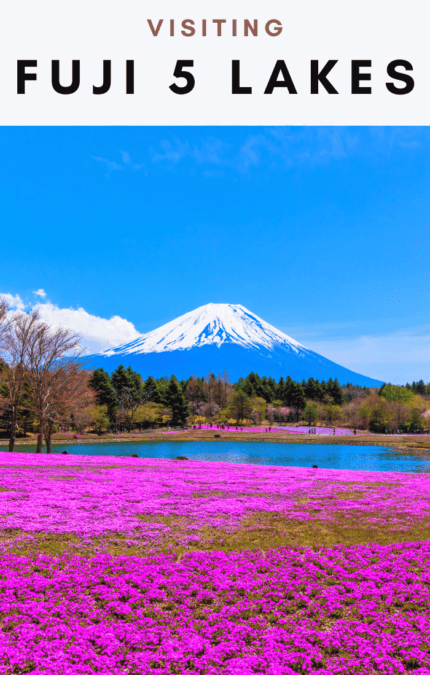
Fujigoko, or ‘Fuji Five Lakes’, is an area in Japan situated around the base of Mount Fuji. The five lakes that form the region are Lake Kawaguchiko, Lake Saiko, Lake Shoji, Lake Yamanakako, and Lake Motosu, each one with its own unique characteristics and catering to different types of visitors.
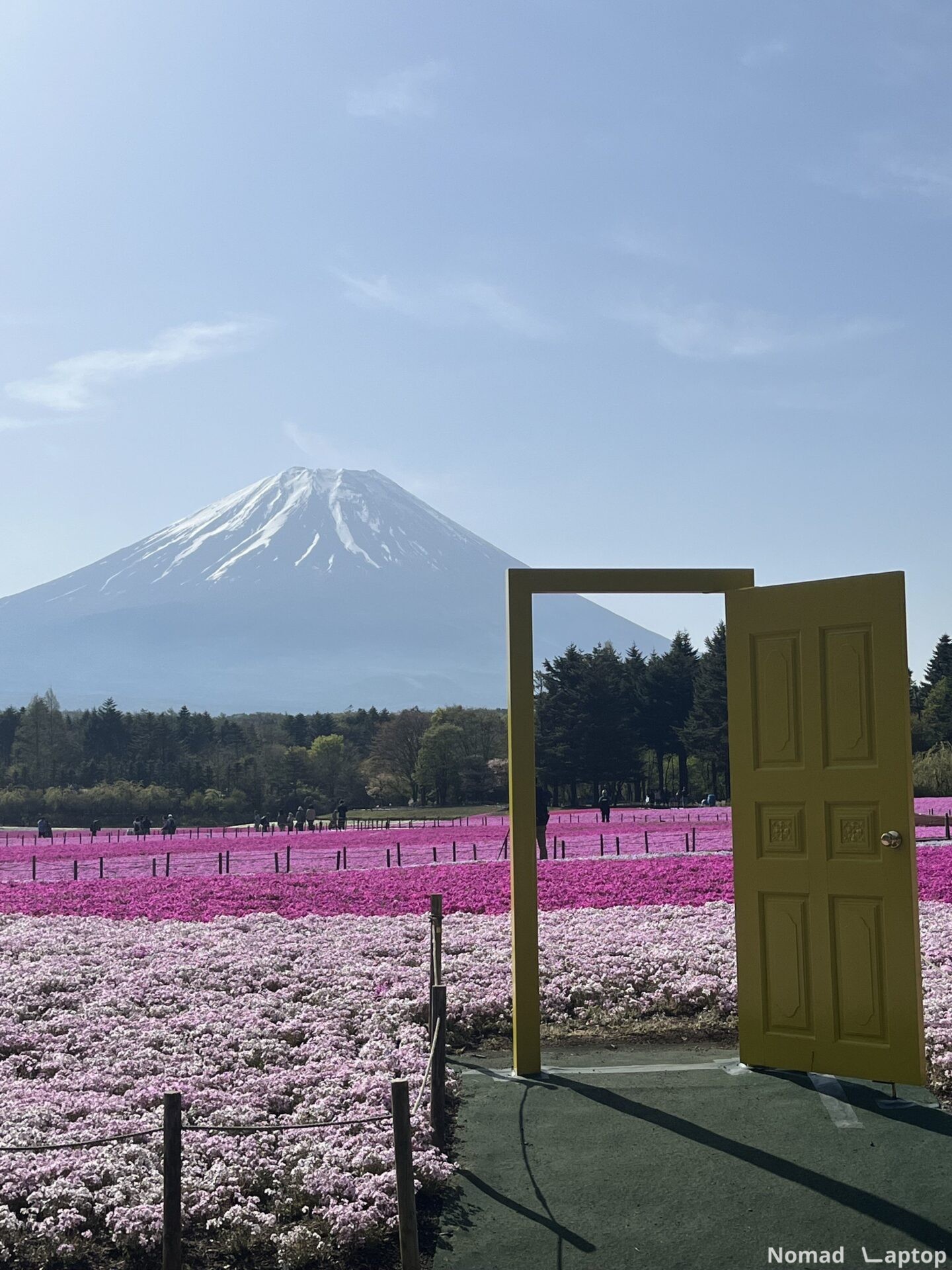
Sakura in the surroundings of Mount Fuji is up there in the Olympus of “best” spots for enjoying this wonderful period. Seeing Mount Fuji is already a sort of mystical experience in itself, and if you couple that with cherry trees, you simply obtain the most picturesque scenery imaginable.
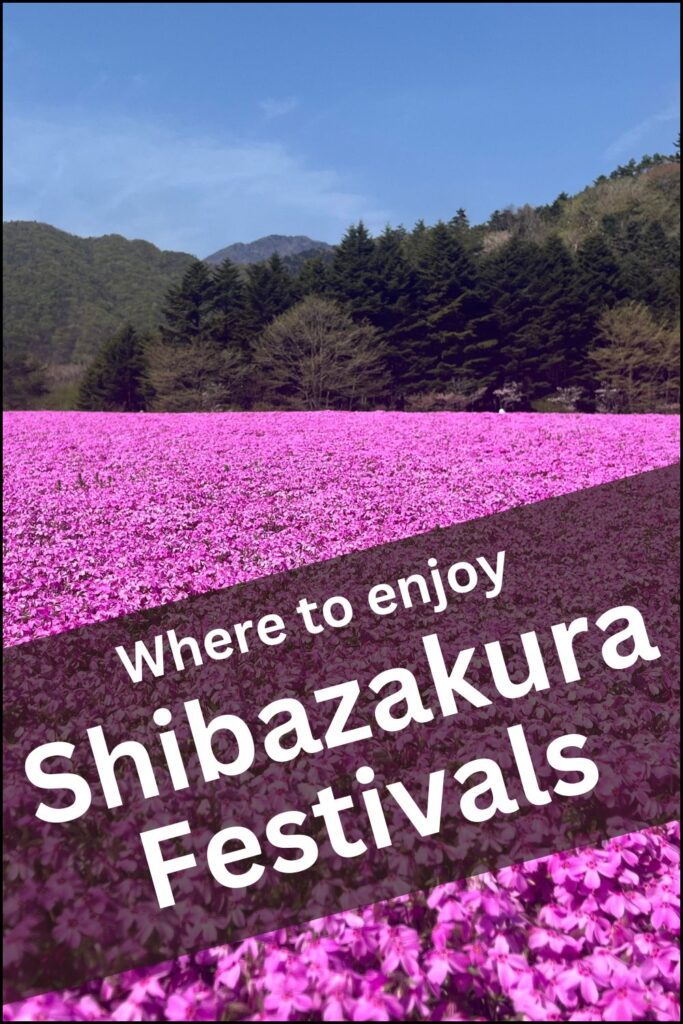
Also, despite not being cherry blossoms, the Motosuko Shibazakura Festival is a sensory overload with pink moss phlox carpeting the entire park (this occurs in early May though after sakura season). The enchanting forest of Aokigahara and the tranquil lakes make this region a magical place and it is easy to be overwhelmed by the natural beauty of Fujigoko.
Be sure to check out this article on my visit to the Fuji Five Lakes for more information
Best hanami spots
The most popular destination around the Fuji Five Lakes is the town of Kawaguchi and Lake Kawaguchiko. Here, in the Sengen Shrine, the view from the Chureito Pagoda (one the most photographed spots in the entire country), offers beautiful views of the mountain with the shrine pagoda and surrounding blossoming trees. It doesn’t get any more iconic than this. Other points of interest are Oishi Park on the northern shore of Lake Kawaguchi and in general the entire walk coasting the lake. The best way to enjoy this is to rent a bike and cycle around the lake perimeter, stopping beneath your favourite tree for a rest while admiring the perfect cone mountain. The other lakes, such as lake Yamaka, are no less beautiful and inspiring. In Fujigoko, even seeing a single tree with the iconic Fujisan backdrop makes for a mesmering sight.
Sakura festivals in Fujigoko
- Kawaguchiko Hanami Festival: This is the main sakura matsuri held in Fujikawaguchiko. Visitors can enjoy food stalls, boat rides, craft markets and cultural performances as well yozakura during the evening lightups of the sakura trees.
- Fujisan Sakura Festival: This festival is held at the base of Mount Fuji, usually at the Fuji World Heritage Center in Fujinomiya City, and offers daily performances of traditional Japanese dances and theatrical performances, amidst spectacular views of the mountain covered in pink and white sakura blossoms.
- Fujikawaguchiko Sengen Shrine Spring Festival: Held for 3 days in late April, this festival celebrates the 1000-year-old Sengen Shrine. Visitors can enjoy tea ceremonies as well as traditional Japanese games and performances. It is also a perfect time to savor the stunning Sakura views in the area.
- Fuji Okuyama Hanami Festival: This festival takes place in a forest surrounded by Sakura trees and is the perfect location for embracing the beauty of Fujigoko in spring. During the festival, visitors can partake in activities such as yukata dressing, playing hide and seek in the sakura forest, and making flower crowns using sakura petals.
Takayama
高山市, Takayama-shi
Takayama is located in the Gifu Prefecture, in the Hida region known also as the Japanese Alps. The mountains create a charming backdrop to the city and offer numerous opportunities for hiking and exploration.
The city is most known for its beautifully preserved Edo-period streets, and the Sanmachi Suji district invites visitors to wander among traditional wooden houses, artisanal shops, and sake breweries, experiencing the ambiance of a bygone era. One of Japan’s most beautiful festivals is also held here: the Takayama Festival, where intricate floats and vibrant parades animate the streets.
Famous in Takayama is also the Hida beef, and foodies will enjoy the beef sushi offered from food stalls and restaurants. Lastly, in Takayama the UNESCO World Heritage Site of Shirakawa-go (and similarly the Hida Folk Village) offer a glimpse in the old rural life of ancient Japan.


Best hanami spots
Sakura full bloom occurs later here due to the cooler weather of the mountainous regions, typically from mid to late April.
Takayama is less about sheer number of trees and more about being transported to ancient times. The best way to enjoy hanami here is to take leisurely walks all around the city, and stopping to take in the beauty of a picturesque scene. The banks of the Miyagawa River are lined with trees and is one of the best places for this, as well as the famous Nakabashi Bridge where you can admire the delicate petals float down the river. When it comes to parks, Shiroyama Park offers elevated views of the city and is a great spot for picnics framed by cherry blossoms. Also the Hida Folk Village is a great contemplative escape. This is an open air museum that showcases traditional thatched-roof houses and life in Japan during the Edo period, and the village set against the backdrop of blooming sakura transports you back into Japan’s fascinating cultural past.
Sakura festivals in Takayama
- Yatai-Matsuri (Float Festival): An annual event stretching over two days, this Takayama festival is marked by elaborate floats carried through the narrow streets of the city, accompanied by traditional music and chanting. The floats, known as Yatai, are up to three stories tall and made of wood, paper, and silk. Part of the Yatai festival is also the Karakuri Puppet Show at Hie Shrine. This event features large mechanical puppets (known as Karakuri) are independently operated and put on a show with traditional music
- Sanja Matsuri (Spring Garden Festival): A massive celebration that takes place right in the heart of Takayama, this festival is a three-day event jam-packed with performers, traditional dances, and colorful floats. It often marks the peak of cherry blossom season, with cherry blossoms adorning the colorful floats and streets of Takayama.
- Takayama Spring Festival Fireworks Display: An event that you don’t want to miss in Takayama is when hundreds of fireworks are set off over the valley of Takayama during the night, offering fantastic and inspiring views for miles around.
- Hanami Street Walk: Locals gather in a single street (the “Street of Hangings,” or Yatai Kaikan), to admire the blooming cherry blossoms, while street vendors offer beverages and food to travelers.
Kanazawa
金沢市, Kanazawa-shi
Kanazawa is a city located on the Sea of Japan in Ishikawa Prefecture, north of Gifu Prefecture. Often referred to as “Little Kyoto,” it is renowned for its rich history and its serene beauty. Its most famous landmarks are the beautifully preserved Nagamachi district, the samurai district, and Higashi Chaya District, the geisha district.
Much like other cities, many streets of Kanazawa are lined with sakura trees, but what makes the city special “for hanami “sakura-wise” is that it is home to Kenroku-en Garden. This is one of the “Three Great Gardens of Japan” (together with Kōraku-en in Okayama and Kairaku-en in Mito), and is considered the most beautiful landscape garden in Japan, which, taking into account the Japanese standards when it comes to gardens, might just as well mean that it is one of the most beautiful gardens in the world.


Best hanami spots
Kenrokuen Garden is the man attraction and a prime location for enjoying the cherry blossoms, where the meticulously designed scenery is enhanced by the ephemeral beauty of sakura.
Nearby, the Kanazawa Castle Park is transformed by rows of cherry trees, offering a majestic setting where the historic architecture of the castle is framed by the blooming trees. The Saigawa River also, lined with cherry trees, offers a tranquil riverside setting for hanami, where the blossoms create a delicate canopy over the paths.
Sakura festivals in Kanazawa
- Yanagi no Hana no Sekku: Held at the historic Kenroku-en Garden, this festival features the surrounding area’s diverse and abundant cherry trees, presenting a pleasant, picturesque view. There are various stalls selling traditional Japanese food and drinks, plus other activities and performances.
- Shiroyama Park Sakura Matsuri: This festival celebrates the blossoms located at the foot of the city’s iconic mountain, Shiroyama Park. Visitors can enjoy the sights of the delicate petals, accompanied by food stalls, cultural performances, and Yosakoi dances amongst the lovely landscape.
- Naga-machi Sakura Matsuri: This popular event is held in the old samurai district. Cherry trees are illuminated at night, and visitors can enjoy traditional Japanese festival attractions, such as mochi-pounding, Yatai food stalls, and taiko drum performances.
- Hashiba-machi Sakura Festival: Held close to the Higashi Chaya District, or “geisha district”, the picturesque traditional tea houses are transformed and embedded in sakura themes . An enormous koi carp lantern is also lit up to make a magnificent display of the blossoms in the evening.
- Cherry Blossom Festival at Gyokusen-en Garden: The Gyokusen-en Garden was built as the private residence of a lord in the Edo period (1603-1868). During the cherry blossom season, visitors can stroll through its grounds while listening to traditional Japanese instruments such as tsuzumi and shamisen players.
Matsumoto
松本市, Matsumoto-shi
Matsumoto is located in Nagano Prefecture, and is a beautiful city known for its natural landscapes and historical landmarks. It is a great destination for visitors who wish to get (slightly) off the beaten path.
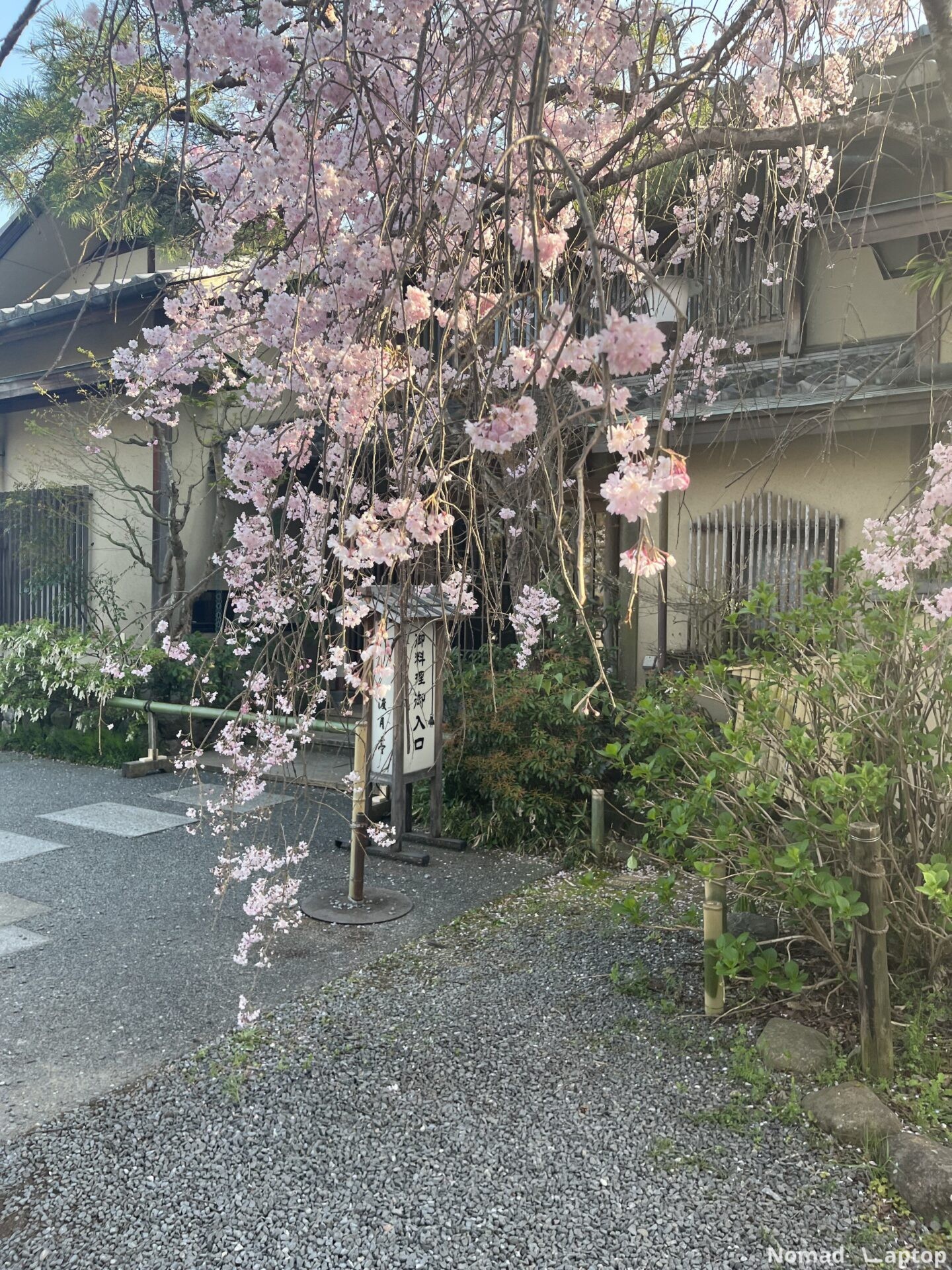
The city center, with over 400 years of history and many well-preserved historical buildings, is the jewel of the city, with the charming streets of Nakamachi and Nawate, showcasing traditional wooden buildings, and offering quaint shops, and local delicacies. These streets are dotted with cherry trees making a visit to Matsumoto during sakura a sight to behold.
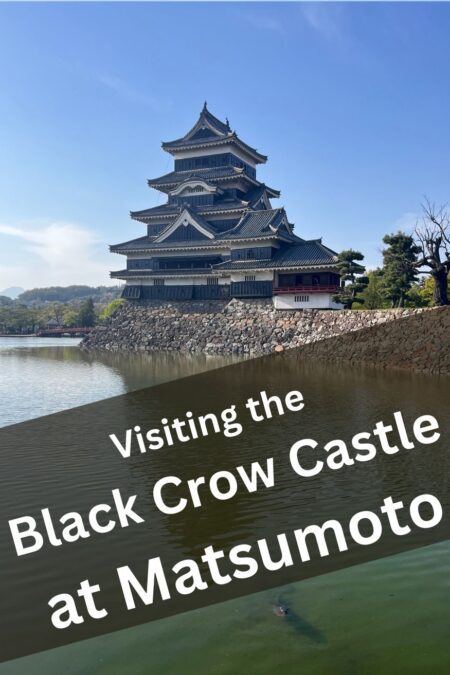
The city’s most iconic site is Matsumoto Castle, also known as the “Crow Castle” for its black exterior. The already beautiful scenery of the castle surrounded by its moat filled with carps and red bridge, is increased manyfold during sakura and the castle grounds (especially the spot where the old and now destroyed castle stood) are dotted with beautiful cherry trees.
Be sure to check out this article on my visit to Matsumoto for more information


Best hanami spots
Matsumoto Castle is beautifully encircled by cherry trees, creating a breathtaking contrast with the pink sakura blooms. The castle’s moat, rigorously inhabited by hundreds of carps, reflects the blossoms and offers a serene backdrop, ideal for hanami.
The Azusa river that traverses the city is also often blanketed with cherry blossoms of the trees that line the riverbank.
Kampi-daira Park and Alps Park are also popular spots for enjoying the cherry blossoms, providing expansive views of the surrounding mountains framed by sakura, as well as spaces for picnics and leisurely walks. Along the banks of the Metoba River, cherry trees line the pathways, creating picturesque settings that invite visitors to stroll and appreciate the seasonal beauty.
Sakura festivals in Matsumoto
- Nakamachi Yayoi Matsuri: Held annually on March 17th, this ancient style of spring festival takes place in Nakamachi Street, and features a parade of floats with unique traditional figures.
- Matsumoto Hina Matsuri: Held annually in mid-March, this festival features hina dolls, some over 100 years old, on elegant floats.
- Matsumoto Sanroku Shizumareson: This festival is held at the Sanroku Temple, which is located at the foot of Mt. Utsukushi, and features traditional Japanese paper lantern-lit floats and a procession of people carrying long bamboo poles hung with paper lanterns.
- Matsumoto Nioh Matsuri: This festival celebrates the formation of the city of Matsumoto. It includes Nioh, samurai parades, and beautiful floats adorned with cherry blossoms.

Nagoya
名古屋市, Nagoya-shi
Nagoya, the vibrant capital of Aichi Prefecture, is another great destination during cherry blossom season. The city is very similar to Osaka in that it blends industrial innovation with a rich cultural heritage has a lively, dynamic, and a somewhat more “youthful” vibe.
Dominating the skyline is Nagoya Castle, known for its iconic golden shachihoko (tiger-fish) ornaments, and beautifully landscaped gardens.
The city also hosts numerous museums, most notably the Science Museum and Tokugawa Art Museum which offers a glimpse into the opulent lifestyle of the Tokugawa shogunate. Nagoya is a center of automotive innovation, so the city is also home to the Toyota Commemorative Museum of Industry and Technology, where visitors can explore Japan’s pioneering advancements in manufacturing.
It is yet another city that seamlessly blends tradition and modernity and a great stop for visitors which are probably traveling between Tokyo and Kyoto.


Best hanami spots
As should be abundantly clear by now, castles, city parks and rivers, are prime spots for hanami.
Tsuruma Park is the most popular spot for hanami . Known for its expansive lawns and picturesque ponds, the park becomes a lively gathering place for picnics and festive activities beneath the sakura canopy. The park often hosts seasonal events, including cultural performances and food stalls that offer local treats.
Another of the city’s most popular spots for hanami is Nagoya Castle, where the impressive architecture surrounded by cherry trees complement each other and creates a stunning scenery.
Yamazaki River, lined with cherry trees, provides a serene setting for a leisurely stroll or a peaceful boat ride under the blooming branches. This area is especially popular for its tranquil atmosphere and offers a different perspective of Nagoya’s spring beauty.
Sakura festivals in Nagoya
- Nagoya Castle Sakura Festival: This festival at Nagoya Castle features stunning cherry blossom views, traditional performances, and nighttime illuminations that highlight the beauty of the historic site.
- Tsuruma Park Hanami Festival: the most famous sakura viewing park invites visitors to enjoy cherry blossom viewing with food stalls, public performances, and vibrant evening light displays.
- Nagoya’s Arakogawa Park Cherry Blossom Festival: This festival includes traditional music performances, food vendors, and illuminated cherry trees along the banks of the Arako River, creating a lively and festive atmosphere.
- Nogoya Tenmangu Night Sakura Viewing: Another beautiful yozakura location is this historical shrine, the cherry blossoms are beautifully lit at night and accompanied by cultural performances and local delicacies.
Chūgoku Region
The Chūgoku Region, located in the western part of Japan’s Honshu Island, is known for its diverse landscapes, blending coastal beauty with mountainous terrain. The region is rich in history and culture, home to iconic sites like the Hiroshima Peace Memorial Park, the famous island of Itsukushima (and the equally instagram famous “rabbit island” of Ōkunoshima), the stunning sand dunes of Tottori, and the picturesque city of Kurashiki with its preserved Edo-period architecture.
Hiroshima
広島市, Hiroshima-shi
The “City of Peace” as it was nicknamed in 1949 in the aftermath of the atrocious atomic bombings, is a very popular destination for international visitors to Japan. The Peace Memorial Park is a melancholic and somber tourist attraction in itself, but during sakura it becomes even more thought-provoking and a tranquil oasis adorned with cherry blossoms. On the opposite side of the river, the iconic Atomic Dome, left unrenovated and eviscerated with exposed bare steel and concrete is a poignant backdrop to the sakura trees that line the river bank.
Beyond its historical significance, Hiroshima offers attractions such as the beautiful Shukkeien Garden, with its serene landscapes, and the bustling shopping district of Hondori Street. It is also a popular gateway to Miyajima Island, known for the iconic torii gate of Itsukushima Shrine (more on this in the section dedicated to Miyajima)

Best hanami spots
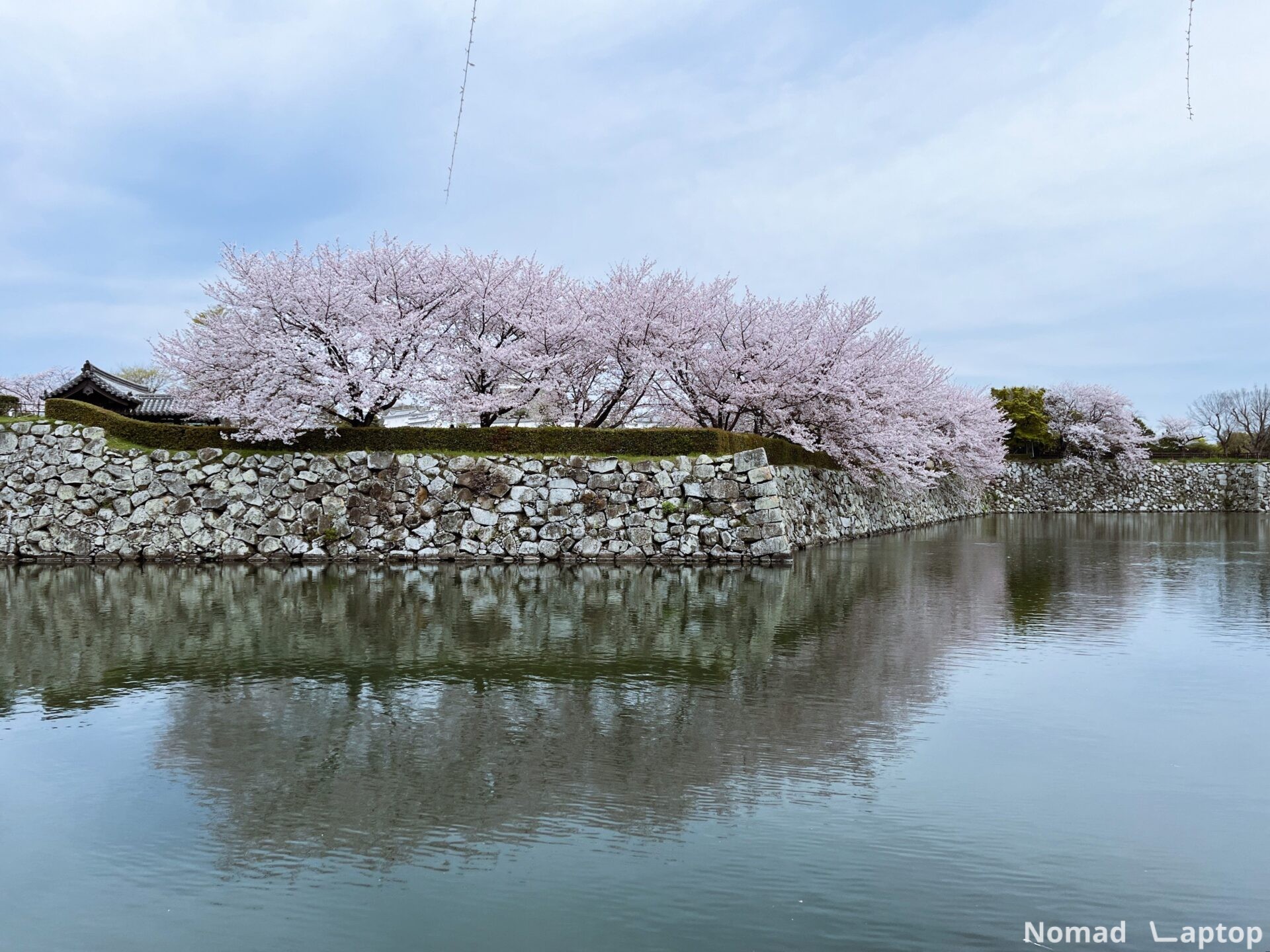
The Hiroshima Peace Memorial Park is a unique sakura viewing spot, as the concrete and lifeless architecture is juxtaposed by the beauty of the delicate sakura petals. Similarly, the silent statues of children and other sculptures that remind lost lives are made even more poignant when surrounded by the symbol of the renewal of life, which is the sakura. Other popular spots are Hiroshima Castle, which is also surrounded by cherry trees, and the area around the castle moat is particularly popular for picnicking and capturing the picturesque reflections of the blossoms on the water. I particularly enjoyed Shukkeien Garden, which is yet another magnificent Japanese landscape garden. It provides another idyllic setting for enjoying sakura with its meticulously designed scenery featuring ponds, bridges, floating rocks in the shape of tortoises, and tea houses.
Sakura festivals in Hiroshima
- Shukkeien Garden Cherry Blossom Viewing: Shukkeien Garden provides a tranquil setting for hanami and visitors can enjoy traditional tea ceremonies and illuminated evening displays.
- Hijiyama Park Sakura Festival: Hijiyama Park offers picturesque hilltop cherry blossom views with trails for leisurely strolls, complemented by local food vendors and informal gatherings under the blooming trees.
- Hiroshima Castle Sakura Illumination: The beautiful cherry blossoms around Hiroshima Castle are illuminated at night, providing a magical nighttime backdrop steeped in history and cultural heritage.
Itsukushima island
厳島, Itsukushima
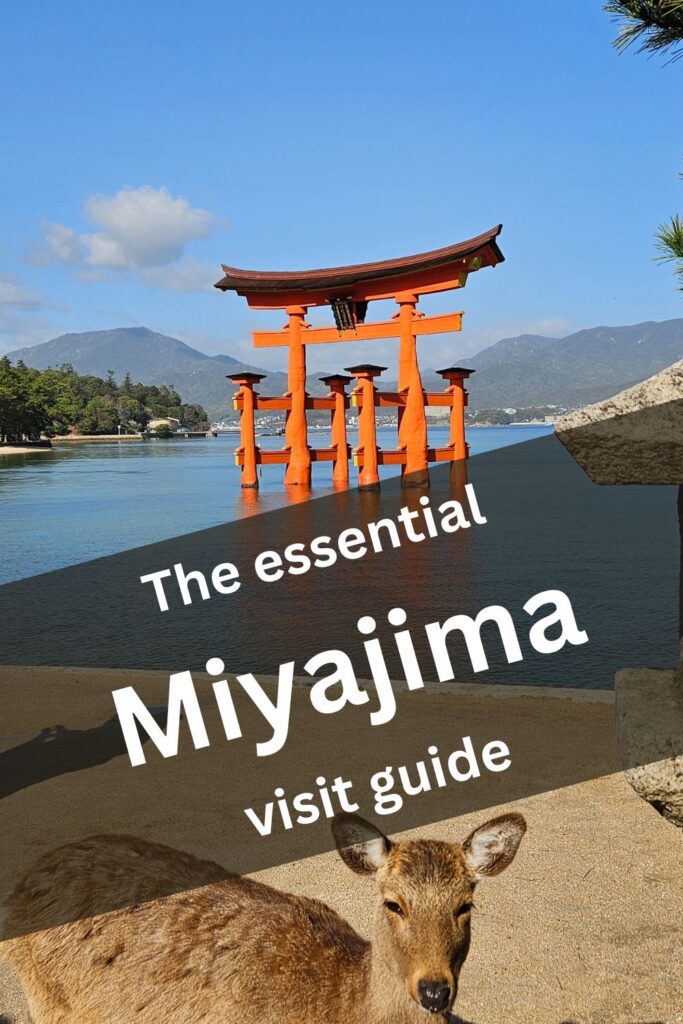
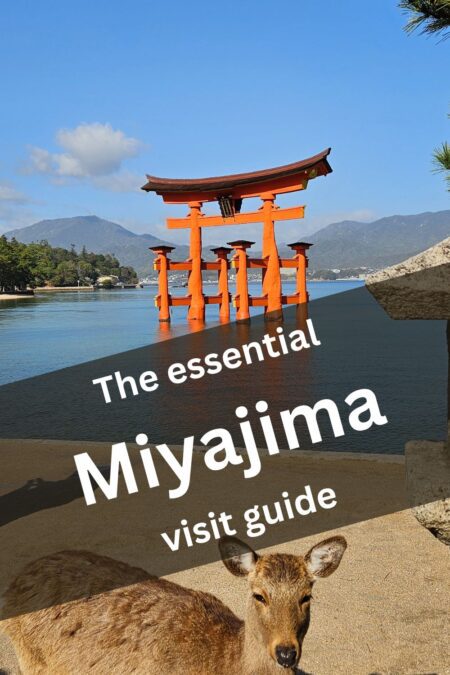
Itsukushima, known also as Miyajima (“the island of the shrine” because of the ultra famous and iconic “floating” Tori gate on the water), is one of the most visited destinations in Japan, and visitors who usually do the golden route of Tokyo, Kyoto, Hiroshima end with a visit to island of Miyajima.
On Miyajima nature and spirituality harmoniously coexist and in spring this character is accentuated even more. The island is like mount Fuji and Himeji mentioned earlier, in that it creates that postcard and picture-perfect landscape than encompasses Japan in a single snapshot: temples and shrines surrounded by lush nature, cherry trees gently surrounding parks and gardens, and the additional peaceful domesticated deer wandering around.
Be sure to check out this article on my visit to Itsukushima island for more information


Best hanami spots
Momijidani Park, nestled at the base of Mount Misen, close to the famous Daisho-in temple is one of the best spots on Miyajima for hanami. The park’s lush greenery is sprinkled with delicate pink blossoms, creating a tranquil environment perfect for picnics and strolling around. Much of the island is forest so taking walks along the trails up Mount Misen (which are leisurely hikes as the mountain is just over 500 mt. high) rewards with occasional sakura trees while in the beautry of the surrounding woods. Since Miyajima shrine itself is on stilts over the water you will not find any sakura trees there. However just behind it, the town with numerous food and souvenir shops have streets and bridges lined with cherry trees. Daisho-in temple is also immersed in nature, and while it may not have a large number of sakura trees, the tranquil and spiritual atmosphere as well as the historical importance of the site make the occasional lone sakura trees feel even more special.
Senjokaku Pavilion Cherry Blossom Viewing: Taking place in early April, this event offers a unique opportunity to view cherry blossoms surrounding the historic Senjokaku Pavilion. The elevated position provides stunning panoramic views of the island’s sakura-laden landscapes.
Omoto Park
Sakura festivals in Miyajima
- Miyajima Sakura Festival: Held all around Miyajima town and the shrine grounds. Visitors can enjoy cultural performances and local delicacies while strolling through the sakura-lined pathways, all with the awe-ispiring floating shrine in the backdrop.
- Omoto Park Sakura Festival: This festival features traditional music and dance performances, along with food vendors and local crafts, all amidst the vibrant pink canopy.
- Miyajima Night Sakura Illumination: Held in Momijidani Park, the evening illuminations of cherry blossoms create an enchanting atmosphere that highlights the natural and cultural beauty of Miyajima at night
Okayama
岡山市, Okayama-shi
Okayama is a beautiful small city which is often overlooked by tourists visiting the nearby Hiroshima. At the heart of the city lies Kōraku-en, one of the “Three Great Gardens of Japan” (together with Kenroku-en in Kanazawa which I covered earlier and Kairaku-en in Mito). This area is ideal for strolls and appreciating the harmonious blend of nature and history. In the backdrop of the garden stands Okayama Castle, another black “Crow Castle”, perched on the river bank. The city also serves as a gateway to the historic town of Kurashiki, famous for its well-preserved Edo-period architecture and charming canals.


Best hanami spots
Okayama Castle, another “Crow Castle” due to its black exterior, stands adjacent to Korakuen Garden and is surrounded by cherry blossoms, creating a striking contrast between the historic architecture and the delicate sakura petals. This area is ideal for strolls and appreciating the harmonious blend of nature and history.
Handayama Botanical Garden is another delightful spot for experiencing cherry blossoms in Okayama. The garden hosts a variety of sakura species along with other spring flowers, offering vibrant displays that invite leisurely exploration and photography.
Sakura festivals in Okayama
- Okayama Korakuen Sakura Festival: This festival at Korakuen Garden offers breathtaking views of cherry blossoms alongside traditional tea ceremonies, musical performances, and illuminated night displays.
- Handayama Botanical Garden Cherry Blossom Festival: On top of being a beautiful hanami spot, Handayama Botanical gardens host educational tours and colorful illuminations in the evening.
- Saijo Inari Cherry Blossom Illumination: This event located in the Saijo Inari shrine features beautiful cherry blossom trees adorned with enchanting illuminations in the evening, providing a magical experience within the historic shrine grounds.
Iwakuni
岩国市, Iwakuni-shi
Iwakuni is another small city only a 15 minute train ride from Hiroshima. The city’s most iconic sight is the Kintai Bridge, a historical pedestrian bridge from the 17th century with elegant wooden arches spanning across the Nishiki River. Across the river, Iwakuni Castle sits atop Mount Shiroyama, providing panoramic views of the surrounding landscape. The castle can be reached by ropeway from the base of the mountain in Kikko Park, another beautiful destination that merges shinto shrines with serene walkways through the gardens.


Best hanami spots
The Kintai Bridge is the most popular attraction in Iwakuni and during sakura season, this area is beautifully framed by cherry blossoms, with the banks of the Nishiki River lined with cherry trees.
Across the Kintai Bridge, Kikko Park itself boasts wonderful sakura trees amidst its gardens and shrines and view of the mountain with Iwakuni Castle. Taking the ropeway up to the castle rewards with scenic view of the Nishiki River and Iwakuni town.
Iwakuni Castle Cherry Blossom Viewing: This event occurs in early April, featuring the beautiful backdrop of Iwakuni Castle adorned with cherry blossoms. Visitors can enjoy panoramic views of the city and participate in cultural activities.
Sakura festivals in Iwakuni
- Kintai Bridge Cherry Blossom Festival: The festival at the Kintai Bridge offers traditional performances such as taiko drumming and samurai reenactments, amidst the accompanying cherry trees.
- Iwakuni Park Sakura Festival: Taking place at Iwakuni Park, the festival includes hanami picnics under the blooming cherry trees, with food vendors and entertainment for families and visitors.
Tōhoku Region
The Tohoku region is located in the northern part of Japan’s Honshu island. Highlights of Tohoku include the picturesque Mount Bandai and the serene Lake Inawashiro. The region is famous for its festivals, particularly the vibrant Nebuta Festival in Aomori, and for the “apple capital” of Hirosaki spring.
Hirosaki
弘前市, Hirosaki-shi
Hirosaki is a beautiful small town south of Aomori. The region is notorious for its apple production and visitors can enjoy apple-picking and cider tasting experiences. It is during sakura season though that the city truly shines making Hirosaki one of the country’s most celebrated sakura landscapes.
Best hanami spots
The centerpiece of sakura season is Hirosaki Park, home to Hirosaki Castle, and hosting over 2,500 cherry trees. The park offers a splendid backdrop of the historic castle as well as views of Mount Iwaki.
The cherry blossoms at Hirosaki Park are renowned not only for their numbers but also for the variety of viewing experiences they offer. The park’s moats become filled with fallen petals, creating a striking “sakura carpet” that enhances the park’s pathways and bridges. This setting becomes even more magical at night, when the cherry blossoms are illuminated, offering a different and equally stunning perspective.
In the park, next to a small stream that also carries sakura petals, is a sakura tunnel. These walkways that pierce through the surrounding cherry trees never cease to amaze and always create a magical and awe-inspiring atmosphere. The sakura tunnel (specifically the Sakurabayashi Tunnel) holds the worlds longest cherry tree row, and offers a spectacular walking experience.
Within Hirosaki Park, the Botanical Garden also hosts hanami events throughout the cherry blossom season. Visitors can enjoy a variety of sakura species along with beautifully curated floral displays, making it a peaceful spot for hanami picnics and leisurely strolls.
In addition to the park, Fujita Memorial Garden provides another beautiful setting to enjoy the cherry blossoms, with its traditional landscape layout and tranquil atmosphere inviting leisurely exploration
Sakura festivals in Hirosaki
- Hirosaki Cherry Blossom Festival: This is one of Japan’s most famous sakura festivals, taking place in Hirosaki Park. With over 2,500 cherry trees, the park offers breathtaking views, picturesque moats filled with petals, and vibrant festivities, including food stalls, traditional performances, and evening illuminations.
- Hirosaki Castle Night Illumination: Hirosaki Castle becomes a magical sight after dark, as the sakura trees are illuminated, creating a stunning contrast against the historic castle.
- Fujita Memorial Garden Cherry Blossom Experience: Not only does the garden offer a tranquil setting for viewing cherry blossoms in a traditional Japanese garden, but it also hosts tea ceremonies and cultural workshops, providing an immersive experience of Japanese aesthetics and nature.
Kyūshū Region
Kyūshū is the third-largest of the four main islands of Japan and often overlooked by international visitors who tend to remain on the main island of Honshu. Kyushu is famous for its active volcanoes like Mount Aso, the beautiful beaches of Okinawa, and the historic city of Nagasaki, which blends Western and Japanese influences. The region is also celebrated for its hot springs, delicious cuisine, and traditional festivals, offering a rich and varied experience to visitors. Kyushu is as charming as the other islands, and the fact that it is less beaten by tourists gives the region a more “genuine” quality.
Fukuoka
福岡市, Fukuoka-shi
Fukuoka, the largest city on Japan’s Kyushu Island, is a vibrant metropolis that seamlessly blends traditional culture with modern innovation. Fukuoka, being the nearest city to South Korea, is rich with influences characteristic of a port city. It boasts bustling food scene, particularly famous for its yatai, or open-air street food stalls, where you can savor local delicacies such as Hakata ramen, a hearty noodle soup with a rich, pork-based broth. The city is also home to the futuristic Canal City shopping and entertainment complex, which offers everything from shopping and dining to theaters and musical fountain shows. One of the city’s standout attractions is the Fukuoka Castle ruins, where visitors can wander through Maizuru Park and enjoy panoramic views of the cityscape.

Best hanami spots
Ohori Park is a charming spot for hanami, with the cherry trees reflected in the tranquil waters of its large center pond. Nishi Park is also a popular destination and offers elevated views of Hakata Bay surrounded by beautiful blossoms, making it an ideal spot for taking in the entire scenic landscape. Similarly, Atago Shrine, located on a hill also provides panoramic city views framed by blossoming trees.
Maizuru Parl Maizuru Park offers one of Fukuoka’s most popular cherry blossom viewing spots, featuring scenic views of sakura alongside the ruins of Fukuoka Castle
Sakura festivals in Kumamoto
- Maizuru Park Sakura Festival: Being the most popular hanami spot, Maizuru Park festival includes food stalls, traditional performances, and evening illuminations.
- Nishi Park Hanami Festival: In Nishi Park, cultural events and local food vendors add to the festive atmosphere, while the panoramic views of Hakata Bay, invites visitors to enjoy hanami picnics amid hundreds of cherry blossoms.
- Atago Shrine Sakura Viewing: The Atago shrine hosts traditional ceremonies and performances during the blooming season,, all while cherry blossoms frame views of Fukuoka’s cityscape and the surrounding bay.
- Uminonakamichi Seaside Park Flower Festival: Held from late March to early April, this festival features not only cherry blossoms but a variety of spring flowers. The expansive park offers family-friendly activities, garden tours, and bike rentals for exploring the floral displays.
- Ohori Park Cherry Blossom Night Illumination: Ohori Park transforms at night with illuminated sakura trees reflecting on the park’s central pond, creating a magical and serene setting for evening strolls and relaxation.
Kumamoto
熊本市, Kumamoto-shi
Kumamoto, located in the heart of Japan’s Kyushu Island, is a city rich in history. One of its most famous attractions is the Kumamoto Castle, a large 17th-century fortress known for its imposing architecture and vast gardens. The castle played a central role during the Satsuma Rebellion of 1877, the insurrection led by Saigo Takamori, one of the most famous samurai of the time, and which loosely inspired the famous movie “The Last Samurai”. The castle withstood a siege by the disaffected “last” samurai who were fighting against the Meiji government and the modernization of the country that the emperor was bringing through the so-called “Meiji restoration”. The rebels were ultimately pushed to the southern tip of Kyushu near Kagoshima where they were defeated effectively ending the era of shogunates and feudal Japan.
The city is also a popular destination for nature enthusiasts as it acts as the a gateway to Mount Aso, one of the world’s largest active volcanoes, where visitors can explore its steaming crater and picturesque surroundings.
Best hanami spots
The city’s most renowned landmark, Kumamoto Castle, is surrounded by hundreds of cherry trees, making it a prime location for hanami. Suizenji Jojuen Garden, a traditional Japanese landscape garden, is another beautiful spot to enjoy the cherry blossoms. The garden’s meticulously crafted scenery, complete with a large pond and miniature Mt. Fuji, is enhanced by the delicate sakura blooms, providing a serene setting for leisurely strolls and contemplation. Tatsuta Nature Park also offers a picturesque environment for enjoying cherry blossoms, with its well-maintained trails and wide-open spaces ideal for picnics and family gatherings under the blooming trees. Kikuchi Park is also a renowned and favorite spot, with around 3,000 cherry trees set amidst the vast expanise park grounds.
Sakura festivals in Kumamoto
- Kumamoto Castle Cherry Blossom Festival: The festival held at the historic Kumamoto Castle features traditional performances, food stalls, and nighttime illuminations that beautifully highlight the castle’s architecture.
- Tatsuta Nature Park Hanami Festival: Tatsuta Nature Park becomes a vibrant spot for family-friendly hanami gatherings, offering spaces for picnics under cherry blossom trees, along with local food vendors and cultural activities.
- Kikuchi Park Cherry Blossom Festival: This festival invites visitors to Kikuchi Park to enjoy expansive cherry blossom viewings, with live performances and food markets enhancing the festive atmosphere. The park’s elevated location provides stunning vistas of the surrounding area.
Hokkaidō Region
The northernmost island of Hokkaido is the second-largest of the four main islands of Japan, and is considered the “most natural” with vast unspoiled landscapes that include mountains, forests, and hot springs.
The region comprises the entire island and is famous for its ski resorts and winter sports. Much like Kyushu to the south, Hokkaido has also a unique and renowned local cuisine. The region is most popular during winter with the famous snow festival celebrated in Sapporo, but spring is equally beautiful in the region adding a twist of more “raw” nature.
Hokkaido experiences a very different season compared to the main island, with spring and sakura blossoming coming almost 1 full month after, typically from late April to early May.
Hakodate
函館市, Hakodate-shi
Hakodate, located on the southern tip of Japan’s Hokkaido Island, is a city known for its scenic beauty. The view from Mount Hakodate over the bay is often ranked among the world’s most stunning cityscapes. The city’s historical charm is evident in the Motomachi district, where a blend of Japanese and Western architecture tells the story of Hakodate’s early days as a port city. Like other cities in Hokkaido, fresh seafood is a hallmark here and squid is the local specialty which can be enjoyed at the vibrant morning market of Asaichi.

Best hanami spots
Sakura-wise Hakodate is a prime location but when I visited it, I approached it with little enthusiasm. It was the last city famous for its cherry blossoms that I was visiting in 2024 and by then, after having seen dozens of locations over the span of two years, I thought I had seen it all. I had a nice little mental ranking of favorite places in my head, and was proceeding north to the shiretoko peninsula to admire the impossibly pink shibazakura that bloom one month after sakura and then carry on further north for some unspoiled nature, wildlife viewing and cold temperatures (Shiretoko is only 30 km from Russia’s Kunashir Island).
Sakura was a fond memory but I didn’t expect to find any more, let alone have those rankings altered. Then I saw Goryōkaku, and everything changed.
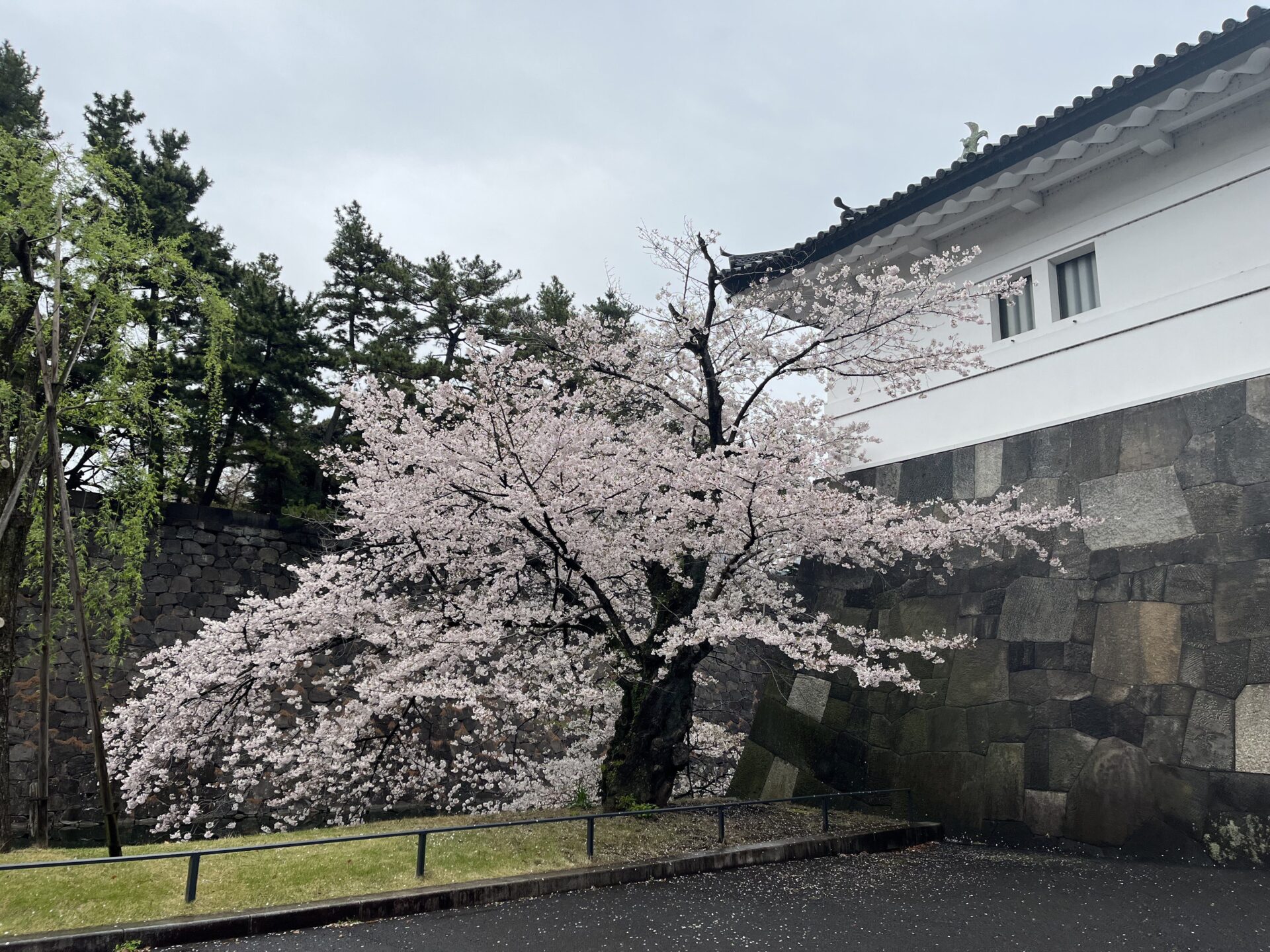
Goryōkakuis a star shaped public park in the center of the city, with the eponymous fort at its center and Goryōkaku tower overlooking. The sheer number of cherry trees (around 1,600) that are found everywhere is truly breathtaking and each spot is a mesmerizing beauty, from the entrance where it is common to find many people enjoying hanami with camping gear, grills, music, dogs and children playing, and everything that represents a happy weekend day with family or friends, to the inner pathways that circle around the park and offer more secluded viewing of the pink petals mirrored in the park’s central moat.
Another popular sakura viewing spot is Mount Hakodate itself, where the spectacular view of the cityscape immersed in pink and white trees and the backdrop of the expansive sea make it a sight to behold.
Kosetsuen, also known as Miharashi Park, is also a renowned hanami location in Hakodate. As a traditional Japanese garden, the meticulously maintained landscapes, with ponds, bridges, and stone lanterns, are even more beautiful during sakura season, offering great opportunities for tranquil strolls and great photo opportunities.
As mentioned in previous sections, if you are short on time and have to maximise the amount of “Japan” during sakura , by all means stay in Tokyo, Kyoto, Osaka or Nara. Do the classic golden route, as it is the most popular for a reason.
If instead you want more nature landscapes away from cities, go to Fujigoko, Nikko National Park, or the breathtaking Mount Yoshino.
But if your mission is sakura viewing, then Hakodate is the place. There are several aspects that make for the “best” hanami place and it is clearly subjective but in Goryokaku park the world is pink and white. From the fallen petals on the ground, to the surroundings, to the sky above your head covered by leaning branches. Everything is pink and white. It contains the perfect mix of lively atmosphere with picnics, barbeques, and people enjoying hanami together, as well as great photo opportunities, and quiet and isolated spots to have a more secluded and intimate viewing experience.
Sakura festivals in Hakodate
- Goryokaku Park Cherry Blossom Festival: As one of Hakodate’s premier sakura viewing spots, sakura matsuri are prominent at Goryokaky featuring hanami picnics, food stalls, and beautiful evening illuminations that highlight the park’s historic architecture.
- Hakodate Park Sakura Festival: Another prime hanami spot, Hakodate Park is transformed into a vibrant festival site where visitors can enjoy family-friendly attractions, traditional performances, and various food vendors amidst the picturesque flowers.
- Yunokawa Onsen Sakura Experience: This unique event allows visitors to enjoy cherry blossom viewing in the tranquil environment of Yunokawa Onsen. Guests can relax in hot springs while appreciating the sakura trees that bloom within the onsen facilities.
Personal favorites
As mentioned in the introduction the “best” spot all depends on personal preferences as well as the timing. My personal ranking and suggestions, depending on what you are looking for, is the following:
- Most iconic scenery: Fujigoko Fuji Five Lakes, Miyajima Island
- Most number of trees: Goryokaku park in Hakodate, Mount Yoshino, OSAKA
- Cities that turn white and pink: Tokyo, Kyoto, Hirosaki
- Castles surrounded by cherry trees: Himeji, Hirosaki, Osaka, Kumamoto, Matsumoto
- Gardens from another world: Kenrou-ken in Kanazawa, Kōraku-en in Iwakuni, Shukkeien in Hiroshima, Suizenji Jojuen Garden in Kumamoto
- Most lively atmosphere: Osaka, Nagoya, Hakodate
- Breathtaking natural landscapes: Nikko National Park, Mount Yoshino, Hike to Yamadera Temple in Yamagata
- Shrines and temples: Hirano Jinja in Kyoto, Miyajima shrine in Itsukushima
- Narrow rivers and sakura “tunnels”: Hirosaki sakura tunnel, Goryokaku in Hakodate, Philospher’s path in Kyoto, Meguro River in Tokyo
- Sakura-lined river banks: Moats around Imperial Palace Gardens in Tokyo, Takayama, Osaka, Arashiyama in Kyoto
- Personal peak moments: Himeji Castle in Himeji, Goryokaku in Hakodate, Hirano Jinja, Fushimi inari Taisha, Nijo Castle, Ryozen Kannon in Kyoto