




Traveling is as much about being in a place as it is about being in a certain moment. There is a world of difference between seeing a dormant or an active volcano or being high up north and getting to see the Northern Lights. Timing is everything.
There is a special kind of timing, and it has to do with the masses. Moments when entire parts of nature decide that now is the time. Be it the sakura blossoming in Japan or the Great Wildebeest Migration through the Serengeti in Tanzania and Kenya. These moments of massive change are, by definition, extraordinary.
And then there are moments when human beings create these timings. They can be national or cultural holidays. New Year celebrations such as New Year’s Eve in Times Square, Chinese New Year, or the Buddhist New Year of Songkran. Incredible festivals such as Holi in India, Carnival in Rio de Janeiro, or religious events like the Hajj pilgrimage to Mecca. They can be Comic Con in San Diego or modern music events such as Coachella and Tomorrowland. They can be worldwide sports competitions like the Olympics.
The common thread in all of this is masses and moments. Huge numbers of people gather to observe, witness or be part of (and create) something. To participate with others in a shared fleeting moment.
Being there allows us to say not only “I was there in that place” but also “I was there at that time“.
Here you will find a breakdown of the most popular events and celebrations around the world, as well as the best seasons to visit each region.

Be sure to check out this article on the different climate zones, and the best seasons to visit each one.
Monthly Breakdown and Best Time to Visit Top Destinations
March, April, May

March marks the shoulder season for many countries, providing travellers with an opportunity to explore popular destinations without the heavy crowds and high prices of peak seasons.
In the Mediterranean, countries begin to warm up, making them attractive for travellers seeking both pleasant weather and good deals.
Coastal cities in the U.S., including New York City, Boston, and San Francisco, also offer comfortable weather and reduced rates during this time.
The Caribbean enjoys its dry season in March, making it an ideal destination for those seeking sun and sea. Countries like Cuba, Jamaica, and the Dominican Republic boast idyllic beaches and vibrant cultures, attracting sun-seekers from around the world.
Meanwhile, the Galapagos Islands may be experiencing their rainy season, but this is precisely when they are at their most captivating, as it is the mating season for many endemic species, making it peak season for wildlife enthusiasts.
Festival-wise, March is renowned for Holi in India. This vibrant festival marks the arrival of spring and is celebrated with colourful powders, joyful music, and spirited dancing, attracting both locals and international tourists eager to partake in this lively celebration.

By April, spring is in full force across the Northern Hemisphere. In the U.S. and most European countries, landscapes transform with blossoms and greenery, creating picturesque settings for exploration.
The Caribbean continues to enjoy optimal weather conditions, with Cuba, Jamaica, the Dominican Republic, and Puerto Rico being particularly sought after for their sun-soaked beaches and lively atmospheres.
In the Mediterranean, the southern islands of Cyprus, Malta, Crete, and other Greek islands, as well as the Canary Islands, become popular destinations due to their mild climates and rich cultural heritage.
In Northern and Central Africa, the rainy season comes to an end, making destinations like Morocco, Tunisia, Egypt, Zambia, Zimbabwe, Tanzania, and Kenya highly desirable for tourists seeking diverse experiences. For example, the Victoria Falls, known as “The Smoke That Thunders” and one of the largest and most famous waterfalls in the world, is at its peak in this period after the wet season and the falls are at their fullest.
The Middle East presents opportunities for exploration as well, with countries like Israel, Jordan, and the UAE attracting visitors with their fascinating history, culture, and modern attractions.
In May, much of China enjoys its most favourable weather, making it an ideal time for travellers to explore the country’s diverse landscapes and rich cultural heritage. Mild temperatures and reduced rainfall allow for comfortable journeys to popular destinations like Beijing, Shanghai, and Xi’an.
In Europe, while it is not yet peak tourist season, this period presents an excellent opportunity for budget-conscious travellers. Although some regions may still experience rain, many tourists find the combination of lower prices and fewer crowds appealing. This transitional time also allows for a more authentic experience in places like Italy, France, and Germany, where visitors can take part in everyday local life.
Also, despite not being full peak season, this is an optimal period for hiking enthusiasts to explore some of the world’s most stunning mountain ranges. The Alps boast picturesque trails through verdant valleys, while the Andes provide dramatic landscapes (these months are shoulder season in South America after the rainy season, therefore offering also a lush scenery). On the other hand, the Himalayas are in pre-monsoon season, so regions like Tibet offer breathtaking trekking routes amidst a clearer weather.
In Indonesia, Bali is especially inviting during this season with its warm tropical climate, beautiful beaches, vibrant culture, and being in the dry season
Seasonal Highlights
March and early April mark the enchanting cherry blossom season in Japan, where sakura trees bloom in delicate pink and white flowers. This time of year is celebrated with Hanami, or flower viewing parties, creating picturesque scenes in parks and gardens across cities. Similar cherry blossom celebrations can be found in Taiwan and in Washington D.C., where the annual Cherry Blossom Festival draws visitors from all over. The blossoms symbolize renewal and the fleeting beauty of life.
Meanwhile, the Netherlands becomes a kaleidoscope of color with its vast tulip fields. The most famous location to witness this stunning display is at the Keukenhof Gardens, where millions of tulips create breathtaking vistas.
Tropical climates are at their best during this period, as it is generally still in the dry season.
In the southern hemisphere, March through May marks the beginning of the whale migration season off the southern coasts of Australia, where humpback whales begin their journey from Antarctic feeding grounds to warmer breeding waters.
Another famous migration pattern is the Sandhill Crane Migration across North America, where thousands of sandhill cranes cross the region towards the southern U.S. and Mexico, with major stopovers like Nebraska’s Platte River.
Festivals and Celebrations
March
- Holi (India and Nepal): Known as the “Festival of Colors,” Holi is celebrated with exuberant throwing of colored powders, dancing, music, and festive gatherings. It symbolizes the victory of good over evil and the arrival of spring.
- St. Patrick’s Day (Ireland and Worldwide): Celebrated on March 17th, this festival honors St. Patrick, the patron saint of Ireland. Parades, music, dancing, and a whole lot of green are characteristic of festivities, not only in Ireland but also in cities around the globe.
- Mardi Gras (USA): While most Mardi Gras celebrations occur in February, some continue into early March, especially in New Orleans, where elaborate parades and masquerade balls take center stage.
- The Iditarod Trail Sled Dog Race (USA): This iconic long-distance sled dog race begins in Anchorage, Alaska, drawing mushers and dog teams from around the world for a challenging trek through icy wilderness.
- Las Fallas (Spain): Held in Valencia, Las Fallas is a fiery festival featuring large papier-mâché figures that are paraded through the streets and then spectacularly burned in bonfires.
April
- Songkran (Thailand): Celebrated as the Thai New Year, Songkran is famous for its huge water fights, symbolizing the washing away of sins and bad luck while welcoming the new year with a splash.
- Cherry Blossom Festivals (Japan): As cherry blossoms (sakura) bloom, festivals are held in Japan and in places like Washington D.C., celebrating the beauty of spring with picnics, cultural performances, and viewing parties.
- Easter (Worldwide): Easter is celebrated by Christians worldwide to commemorate the resurrection of Jesus Christ. Traditions include church services, egg hunts, and festive meals. The date fluctuates but often falls in April.
- Coachella Valley Music and Arts Festival (USA): Held in California, Coachella is one of the largest and most famous music festivals in the world, featuring performances from top artists across various genres.
- King’s Day (Netherlands): Celebrated on April 27th, King’s Day (Koningsdag) is a national holiday honoring the birthday of King Willem-Alexander. The Dutch indulge in nationwide festivities, street markets, and a sea of orange attire.
May
- Cannes Film Festival (France): Held in the resort town of Cannes, this prestigious film festival showcases new films of all genres from around the world. It’s a major event for the film industry, attracting celebrities, directors, and cinephiles.
- Gion Matsuri (Japan): Though the main events occur in July, this festival in Kyoto is one of the most famous in Japan, with events commencing in May. It includes parades, traditional Japanese costumes, and lively street festivities.
- Cooper’s Hill Cheese-Rolling (England): Taking place near Gloucester, this quirky and famous event involves participants racing downhill after a round of Double Gloucester cheese. It’s entertaining for both competitors and spectators alike.
- The Hay Festival (Wales): An internationally renowned literature festival held in the town of Hay-on-Wye. It draws writers and readers from all over the world for literary discussions and panels.
- Vivid Sydney (Australia): This festival is an annual event of light, music, and ideas, featuring spectacular light installations and projections, alongside performances by local and international music acts.
June, July, August

In Europe, the tourism season officially kicks off in June. Popular destinations like Croatia, Greece, and Spain see an influx of early visitors eager to enjoy the pleasant climate, stunning coastlines, and rich historical sites. This is a fantastic period to explore these countries before the peak season crowds arrive.
North America, particularly the USA and Canada, hosts a multitude of music festivals in May and continuing into June. Festivals like Bonnaroo and Governors Ball in the USA and Osheaga in Canada draw music lovers for unforgettable performances by top artists across diverse genres.
In July, tourism in Europe and the USA reaches its peak. These months are characterized by warm weather, making it a popular time for vacations. Visitors flock to major attractions, beaches, and national parks, enjoying the vibrant summer atmosphere and extended daylight hours. Iconic cities like Paris, London, New York, and Los Angeles buzz with tourists exploring landmarks, cultural events, and outdoor activities.
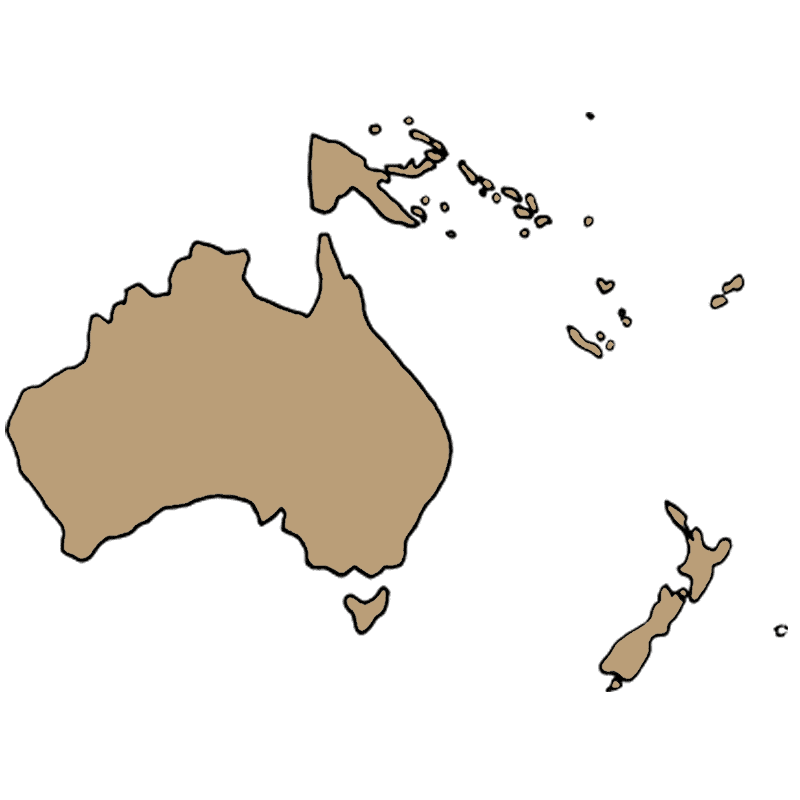
Meanwhile, in Southeast Asia and Oceania, the dry season continues, making destinations like Bali, the Komodo Islands, East Java, the Seychelles, and Fiji particularly enticing.

When August comes, Europe becomes a dominant force in tourism, with countries like Spain, Portugal, Italy, Greece, Croatia, and many coastal regions drawing crowds of international visitors, eager to explore the rich heritage, vibrant culture, and picturesque landscapes of these destinations.
In South America, Peru enters its dry winter season, providing perfect conditions for exploring its diverse attractions. From hiking the Inca Trail to Machu Picchu to discovering the rich biodiversity of the Amazon rainforest.
Seasonal Highlights
From June onwards, the Great Wildebeest Migration is in full swing across Tanzania and Kenya. Considered one of nature’s most awe-inspiring spectacles, millions of wildebeests, zebras, and other animals journey across the Serengeti and Maasai Mara ecosystems. The Great Migration starts much earlier in Tanzania, but throughout July the river crossing of the Grumeti River and Mara River occurs, attracting wildlife enthusiasts and photographers from around the globe.
Another famous migration occurs through the rivers of the Pacific Northwest, which teem with spawning salmon, migrating upriver from the ocean to their natal freshwater streams. This event, which attracts bears, eagles, and other wildlife, offers great viewing opportunities in places such as Alaska in the US and British Columbia in Canada.
June marks also the beginning of the “warmest” season in Arctic regions. This is the time when the Midnight Sun phenomenon occurs in Scandinavian countries such as Norway, Sweden, and Finland, where the sun remains visible at midnight, culminating on the day of summer solstice, allowing for extended outdoor activities and vibrant festivals that celebrate the endless daylight of Nordic summers.
From late June and into July, Mediterranean countries such as Spain and Italy, in regions such as Andalusia and Tuscany, are set ablaze with golden sunflowers, creating a quintessential symbol of summer. Similarly, in Provence in France, fields become a sea of purple as lavender reaches its peak bloom.
On the southern hemisphere, on the other hand, winter brings the best viewing time for the Aurora Australis, the lesser-known but equally enchanting twin of the Aurora Borealis/Northern Lights.
Festivals and Celebrations
June
- Glastonbury Festival (England): One of the most famous music festivals in the world, it offers an eclectic mix of performances across various genres alongside other arts, including comedy, theater, and circus.
- Dragon Boat Festival (China and Taiwan): Also known as Duanwu Festival, this ancient event features dragon boat races, and it’s celebrated with the consumption of zongzi (sticky rice dumplings).
- Inti Raymi (Peru): Celebrated in Cusco, this festival of the Sun worships Inti, the Incan sun god. It is a vibrant reenactment of an ancient Inca ceremony, featuring traditional music, dance, and costumes.
- San Juan Festival (Spain and Latin America): Held around the summer solstice, this festival involves bonfires, fireworks, and beach celebrations, marking a night of revelry and welcoming the summer season.
- Midsummer (Sweden and Nordic countries): Celebrated around the summer solstice, this festival includes dancing around the maypole, folk music, and traditional foods, marking one of the most important holidays in Sweden.
July
- San Fermín (Running of the Bulls) (Spain): Held in Pamplona, this iconic festival is known for the thrilling and dangerous Running of the Bulls. The event is part of a larger week-long celebration featuring parades, traditional music, and cultural festivities.
- Bastille Day (France): Celebrated on July 14th, France’s national day commemorates the French Revolution. It’s marked with military parades, fireworks, parties, and public celebrations, particularly in Paris where the Champs-Élysées parade is a highlight.
- Naadam Festival (Mongolia): This traditional festival, held in Ulaanbaatar, features the “three games of men”: wrestling, horse racing, and archery. It’s a mesmerizing cultural event showcasing Mongolia’s traditional sports and heritage.
- Montreux Jazz Festival (Switzerland): Held on the shores of Lake Geneva, this world-renowned festival offers an eclectic mix of jazz, blues, rock, and pop performances, drawing music lovers from around the world.
- Calgary Stampede (Canada): Known as “The Greatest Outdoor Show on Earth,” this rodeo and exhibition in Calgary includes chuckwagon racing, concerts, and a range of entertainment reflecting Canada’s western heritage.
August
- Edinburgh Festival Fringe (Scotland): The world’s largest arts festival takes place in Edinburgh, featuring thousands of performances across theater, comedy, dance, and music. It’s known for its open-access policy and creative diversity.
- La Tomatina (Spain): In the town of Buñol, this quirky festival involves participants throwing tomatoes at each other in a fun and messy food fight. It’s a unique event that attracts people from around the world.
- Burning Man (USA): Held in Nevada’s Black Rock Desert, this event is a temporary community dedicated to art, self-expression, and self-reliance. It culminates in the burning of a large wooden effigy.
- Notting Hill Carnival (England): Taking place in London, this vibrant Caribbean festival features colourful costumes, parades, live music, and dancing. It’s a celebration of Caribbean culture and diversity.
- Obon Festival (Japan): This Buddhist festival is a time to honor deceased ancestors. Celebrated with traditional dances known as Bon Odori, it features lanterns, family gatherings, and visiting ancestral graves.
September, October, November

September marks the beginning of the second shoulder season, offering travellers favourable conditions with fewer crowds and often lower prices.
In Europe, the weather remains pleasant, encouraging tourists to explore the continent, and popular destinations such as Italy, France, and Spain enjoy a more relaxed pace following the bustling high vacation season of August.
In Asia, India emerges from its rainy monsoon season, presenting a prime opportunity to visit its diverse regions, from the majestic palaces of Rajasthan to the serene backwaters of Kerala. Similarly, China becomes an appealing destination with its rich history, stunning scenery, and vibrant cities attracting international travellers.
Across Africa, September brings great weather. Northern African countries like Morocco, Tunisia, and Egypt experience milder temperatures, making it ideal for exploring ancient ruins and vibrant markets. In Southern Africa, destinations like South Africa, Namibia, and Botswana enjoy cooler winter weather, perfect for safaris and wildlife viewing.
September is also ideal for exploring the Andes since it is during the dry season, as well as the Himalayas during this post-monsoon season which offers the best weather conditions.

October is another exceptional month for travel, providing opportunities to avoid large crowds as many destinations transition into their low season.
In South America, countries like Argentina, Chile, Uruguay, and Peru are in their dry season, offering ideal conditions for exploring diverse attractions such as Patagonia’s rugged landscapes and Peru’s ancient sites.
The Middle East also becomes more temperate, making places like Oman and the UAE attractive with their reduced heat, allowing visitors to enjoy the rich history and modern marvels without the intense summer heat.
Germany stands out in October with its world-famous Oktoberfest, held in Munich. This festive event draws millions of visitors for its lively beer tents, traditional Bavarian music, and cultural festivities, creating an unrivalled atmosphere of conviviality.
Starting in November, travel dynamics shift significantly across the globe. The low season in Europe and the USA offers quieter travel experiences, while the Southern Hemisphere, including countries like South Africa, Australia, and New Zealand, welcomes the onset of their high season and summer. This period is ideal for exploring the vibrant landscapes and engaging in outdoor activities characteristic of summer in these regions.
Southeast Asia experiences its high season as well, benefiting from the peak of the dry season. Countries such as Thailand, Vietnam, Cambodia, Laos, and the Philippines see a surge in visitors drawn by the favourable weather and rich cultural experiences.
In Thailand, the city of Chiang Mai becomes a focal point of cultural celebration with the Loi Krathong and Yi Peng Festivals. During these events, thousands of lanterns are released into the sky, and floating offerings are set afloat on rivers, creating a stunning and ethereal spectacle.
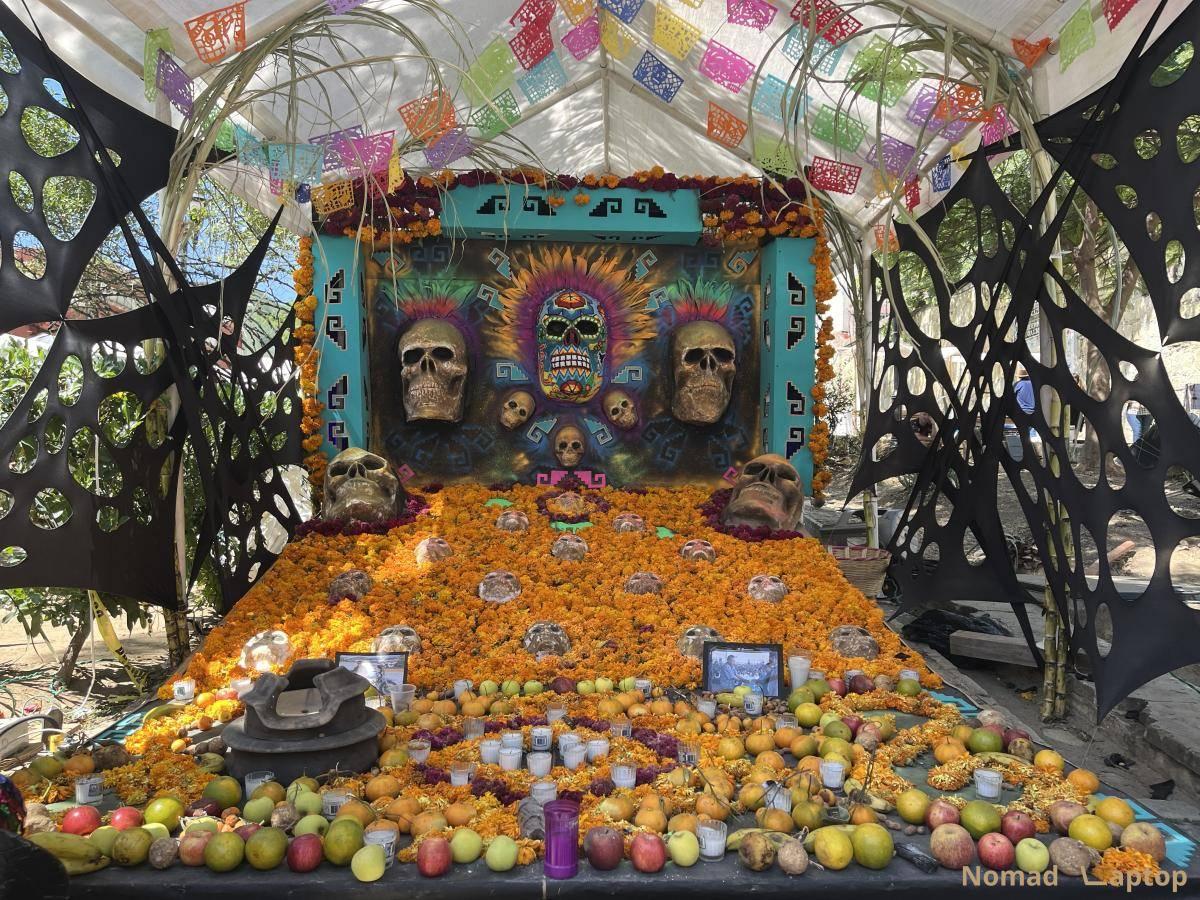
Similarly, countries in Central America and the Caribbean, like Mexico and Belize, emerge from hurricane season into their dry season, presenting perfect conditions for travellers seeking sun, beaches, and adventure. Also in Mexico, the iconic Day of the Dead draws countless visitors for the late October and November 1st festivities.
Despite the low season in the USA, Halloween in October and Thanksgiving in November attract many visitors eager to experience these quintessentially American celebrations. These holidays offer opportunities to participate in traditional activities, from trick-or-treating to festive parades and community gatherings.
Hawaii is also vibrant with excitement during the Triple Crown of Surfing competition, which is one of the largest and most prestigious surfing events in the world. It draws surfing enthusiasts and professionals to the beautiful North Shore of Oahu.
Seasonal Highlights
In many regions of the northern hemisphere, fall brings wonderful spectacles and picturesque landscapes for their autumn foliage. Visitors flock to North America, in regions like New England or the Great Smoky Mountains in the US, or in the eastern part of Canada to enjoy the vibrant “Indian Summer“. Similarly, in most of Europe, particularly in Central Europe, cities and forests become covered in the stunning tapestry of autumn colors. In Japan, much like spring brings hanami (“flower viewing”) of the cherry trees, autumn brings momijigari (“red leaves viewing”).
In the southern hemisphere, on the other hand, spring starts, and in South Africa, the Cape Floral Kingdom, one of the six floral kingdoms in the world and unique to the country, begins its bloom, showcasing vibrant wildflowers.
October marks also the end of the Main Migration, the migration before winter of millions of monarch butterflies from their breeding grounds in the north-east of North America to the warmer forests of southwestern Mexico, where large clusters of these butterflies can be seen.
Festivals and special occurrences
September
- Oktoberfest (Germany): Although it begins in late September and extends into early October, this world-renowned festival in Munich is a celebration of Bavarian culture with traditional music, hearty food, and, of course, massive beer tents.
- Mid-Autumn Festival (China and Vietnam): Known as the Moon Festival, this celebration is marked by family gatherings, mooncakes, lantern displays, and the appreciation of the full moon. It is a time to give thanks and enjoy family reunions.
- Regata Storica (Italy): Held in Venice, this historic regatta features a procession of beautifully decorated boats followed by a series of races along the Grand Canal, celebrating the city’s maritime history.
- La Mercè (Spain): Barcelona’s principal festival in honor of its patron saint features a week of parades, fireworks, concerts, and the famous “correfoc” or fire run, creating a vibrant and exciting atmosphere.
- Ganesha Chaturthi (India): Celebrated in honor of Lord Ganesha, this festival involves elaborate processions and the immersion of Ganesha idols in water, especially grand in cities like Mumbai and Pune.
October
- Diwali (India): Known as the Festival of Lights, Diwali usually occurs in late October or early November. It is celebrated with fireworks, the lighting of lamps, family gatherings, and festive meals, signifying the triumph of light over darkness.
- Albuquerque International Balloon Fiesta (USA): Taking place in New Mexico, this colourful event sees hundreds of hot air balloons ascend into the skies, creating a breathtaking spectacle against the desert backdrop.
- Fantasy Fest (USA): Held in Key West, Florida, this lively costume festival features parades, themed parties, and street fairs, known for its creativity and exuberance.
- Frieze Art Fair (UK): Taking place in London, this art fair showcases works from leading international artists, drawing art enthusiasts and collectors from around the world.
- Halloween (Worldwide): Celebrated on October 31st with costumes, trick-or-treating, and haunted attractions.
November
- Día de los Muertos (Day of the Dead) (Mexico): Although technically celebrated on November 1st and 2nd, preparations for this festival that celebrates both life and honors deceased loved ones, begin in late October with towns getting decorated with vibrant altars and marigold flowers, and kitchens in full swing cooking pan de muertos.
- Bonfire Night (Guy Fawkes Night) (UK): Celebrated on November 5th, this event commemorates the foiling of the Gunpowder Plot of 1605. It’s marked with bonfires, fireworks, and parades across the UK.
- Loi Krathong and Yi Peng (Thailand): This stunning festival involves floating decorated baskets (krathongs) on waterways and releasing lanterns (Yi Peng) into the sky, creating a mesmerizing spectacle in cities like Chiang Mai.
- Thanksgiving (USA): Celebrated on the fourth Thursday of November, Thanksgiving is a time for family gatherings and giving thanks, traditionally involving a feast with turkey, stuffing, and pumpkin pie.
December, January, February

In December, Scandinavian countries, including Norway, Greenland, Iceland, and the northern parts of the UK, gain popularity for their stunning Northern Lights displays.
Lapland in Finland becomes a magical destination for families, offering tours to visit “Santa’s home” at the Arctic Circle, complete with reindeer rides and festive winter traditions.
Mountain regions like the Alps, Rockies, and Pyrenees see high season as popular skiing destinations. The Alps offer some of the best skiing and snowboarding opportunities in Europe, with destinations like Chamonix, St. Anton, and Zermatt providing excellent conditions for winter sports enthusiasts. Similarly, the Rocky Mountains in North America boast world-class winter sports resorts, including Aspen, Whistler, and Banff.
Southeast Asia remains in peak tourism season, offering destinations with favourable weather and vibrant cultures. Simultaneously, countries in the Southern Hemisphere, such as Australia, New Zealand, Namibia, South Africa, Argentina, Chile, and Peru, are in the midst of their summer, making it an excellent time for travel and exploration.
Tourism in Central America peaks as Mexico and Belize enjoy their best weather, drawing travellers to explore ancient ruins, lush rainforests, and pristine beaches.
In the north, December also brings tourism to cities, which might generally be in their low season because of their Christmas markets and atmosphere.
Finally, during the global celebration, which is New Year’s Eve, major cities like New York City, Dubai, Shanghai, Sydney, and Rio de Janeiro come alive with fireworks, parties, and festivities, attracting tourists eager to ring in the new year in spectacular fashion.

January is one of the most budget-friendly months for travel, as it falls right after the holiday rush. This means cheaper flights and accommodations for many destinations.
However, certain areas in countries generally in low season remain in their peak travel season, like Austria and Switzerland for their winter sports offers.
In Southeast Asia, the dry season is in full swing, making it an ideal time to visit countries like Thailand, Myanmar, Malaysia, Singapore, Laos, Vietnam, and the Philippines. These destinations are perfect for exploring beaches, indulging in local cuisine, and immersing oneself in vibrant cultures and traditions.
The southern hemisphere offers its own allure in January, with summer in full effect in South Africa, Australia, and New Zealand. In South America, it is high season for some regions, such as Patagonia in Chile and Argentina, where the warmer weather and longer daylight hours allow for more enjoyment of the dramatic landscapes and glaciers.
Antarctica also experiences its “warmest” season during this time, allowing for more comfortable travel conditions. Tourists can explore the icy continent’s unparalleled landscapes and unique wildlife during January.
Despite January being the rainy season in Hawaii, the islands remain a popular destination for whale watching and surfing aficionados. The chance to see magnificent humpback whales and experience world-class surf makes Hawaii a must-visit locale.
Similarly in Bolivia, the Salar de Uyuni – the largest salt flat in the world – transforms into a reflective mirror during this period of rainy season.
Moving into February, the travel trends remain largely similar, but with additional highlights. February is known for its vibrant carnival festivities, attracting countless visitors to places like Italy for the Carnival of Venice and Brazil for the iconic Carnival of Rio de Janeiro. These festivities are celebrated with elaborate parades, costumes, and a joyous atmosphere that’s infectious to all who partake.
One significant cultural celebration in February is the Chinese New Year. Singapore, in particular, is renowned for hosting one of the most impressive Chinese New Year celebrations. The city comes alive with festive decorations, traditional performances, and an array of culinary delights, drawing visitors eager to experience this culturally rich event.
Seasonal Highlights
November and December are prime months for witnessing the Aurora Borealis in regions like Scandinavia, Iceland, and Alaska. Long nights and clear skies provide excellent conditions to observe these ethereal and mystical light displays, which dance across the heavens in brilliant hues of green, pink, and purple.
On December 21st, the winter solstice, and respectively, the summer solstice in the southern hemisphere, numerous solstice traditions occur around the world that celebrate this extreme day and its symbolism of rebirth and renewal.
January and February are also prime months for whale watching of the Grey Whale Migration from the North Pacific to Baja California.
Festivals and special occurrences
December
- Christmas (Worldwide): Celebrated on December 25th, Christmas is observed by millions around the world, featuring nativity scenes, festive decorations, gift exchanges, and holiday meals. Europe is renowned for its charming Christmas markets.
- Hannukah (Worldwide): This Jewish festival, also known as the Festival of Lights, lasts for eight days and nights, featuring the lighting of the menorah, traditional foods, games, and songs.
- Hogmanay (Scotland): Scotland’s New Year’s Eve celebration is known for its lively parties, street festivals, and fireworks, particularly in Edinburgh.
- Kwanzaa (USA): Celebrated from December 26th to January 1st, this cultural holiday honors African-American heritage and traditions, with activities focusing on community, family values, and cultural canons.
- Santa Lucia (Sweden): Celebrated on December 13th with candle-lit processions, singing, and traditional treats.
- New Year’s Eve (Worldwide): December 31st is celebrated with parties, fireworks, and countdowns. Major cities like New York City, Sydney, Dubai, and Rio de Janeiro host world-famous celebrations to ring in the New Year.
January
- Harbin Ice and Snow Festival (China): This festival in Harbin is renowned for its incredible ice and snow sculptures, illuminated in vibrant colors. It’s one of the largest ice and snow festivals in the world.
- Up Helly Aa (Scotland): Held in Lerwick, Shetland, this fire festival celebrates Viking heritage with torch-lit processions and the burning of a Viking longship.
- Thaipusam (Malaysia and Singapore): Celebrated by the Tamil Hindu community, this festival involves a procession to honor Lord Murugan. Devotees often undertake physical endurance feats as acts of devotion.
- Sundance Film Festival (USA): Taking place in Utah, this internationally acclaimed festival showcases new independent films and documentaries, attracting filmmakers and cinephiles from around the globe.
- Australia Day (Australia): Celebrated on January 26th, Australia Day marks the arrival of the First Fleet at Port Jackson. The day is filled with festivities, fireworks, and various cultural events.
February
- Carnival of Venice (Italy): Known for its elaborate masks and costumes, this Italian festival traces back to the 11th century and includes parades, masquerade balls, and cultural performances.
- Rio de Janeiro Carnival (Brazil): One of the largest and most famous carnivals in the world, this event is renowned for its vibrant parades, samba music, and dazzling costumes.
- Chinese New Year (Worldwide): Also known as the Lunar New Year, this festival is celebrated across Asia and in Chinatowns around the world. It includes dragon dances, fireworks, family gatherings, and the exchange of “red envelopes.”
- Mardi Gras (USA): Particularly famous in New Orleans, this festival features parades, music, masked balls, and lavish costumes, culminating in a vibrant celebration before Lent.
- Sapporo Snow Festival (Japan): Held in Hokkaido, this festival showcases impressive snow and ice sculptures and attracts visitors from across Japan and beyond.
Final Thoughts
Determining the best time to visit various regions hinges on understanding their peak seasons, significant events, and seasonal highlights. Each destination offers unique experiences that are often tied to specific times of the year, whether through local celebrations, cultural festivals, or natural phenomena.
By planning your travels around these key moments, you can fully immerse yourself in the local culture and make the most of your visit. Ultimately, aligning your travel schedule with the vibrant pulse of each region will not only enhance your experience but also create lasting memories that reflect the true essence of your chosen destination.


