




Peru is a diverse and vibrant country and a must-visit for any passionate traveler. With a powerful blend of ancient and modern cultures, from the capital city of Lima to the hills and valleys of the Andes, Peru is a land of beauty, history, and adventure.
The land of Peru has been inhabited for over 12,000 years, dating back to the ancient cultures of the Inca and Moche and the architectural monuments they built are still standing today.

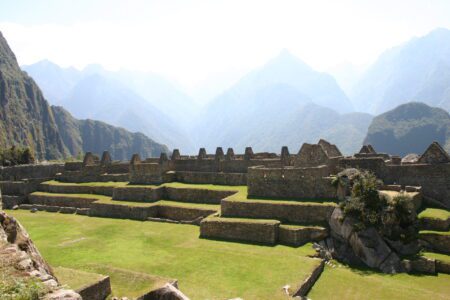

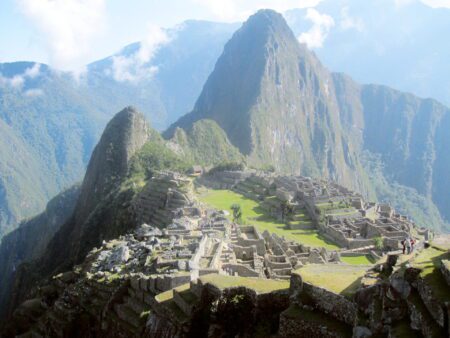
In addition to its rich history, Peru also boasts incredible natural beauty. From the Amazonian rainforests of the east to the lush mountain peaks of the west. The Great Lake Titicaca is the second-largest lake in South America, with its waters surrounded by lulling hills and rural villages. On the top of the Andes mountains lie the fantastic ruins of Machu Picchu, a must-do on any travelers bucket list.
It also bears the reputation of being the gastronomic capital of the world and the peninsula of Lima is the epicenter of gastronomic innovation in the country, where top galleries and tastings for foodies await. The vibrant and unspoiled nature of the land makes it also a perfect place to indulge in adventure sports such as parachuting, paddle boarding, trekking, and mountain biking.
Articles

Peru Info & Stats
34 million
1,285,216 km2
23/km2
$282 billion
Republic of Peru
República del Perú
At a Glance
- Language: Spanish, Quechua, Aymara
- Population: 33 million (2023)
- Timezone: [UTC -5]
- Ethnic Make-up: 60.2% Mestizo, 25.8% Indigenous, 5.9% White, 3.6% Black
- Religion: Overwhelmingly Christians (95%, with the majority being Roman Catholics)
- Political System: Presidential Republic
- Currency: Sol (PEN)
- Credit Cards: In major cities, hotels, restaurants, etc., credit cards are widely accepted. In general, though there is a preference for cash, carrying small bills is a good idea. Similarly, ATMs are common in large cities but generally charge a high commission fee, so it might be better to exchange money rather than withdraw.
- Electricity: Socket type A, B, C, 220 volt / 60 hertz
- Tipping Customs: 10% in restaurants, predominantly cash
- Haggling Culture: Common

Climate & Seasons
Peru is generally divided into three main climatic regions: a cool coastal region, a temperate region of the Andes, and a hot, humid region to the east.
The coastal region is generally subtropical, with temperatures ranging from 14–23°C and humidity around 80%. The Andean region has temperatures ranging from 3–20°C (37–68°F), while the eastern region has temperatures between 16°C and 38°C and high humidity levels. The climate in this region is heavily influenced by the Amazon rainforest.
The dry season usually lasts from May to September, while the wet season is from October to April. The highlands of Peru have a colder mountain climate with cooler temperatures year-round and cooler summers and cold winters.
Entry Requirements
Click the map to see details on visa requirements for each country.

Alternatively, input your passport citizenship and quickly see the requirements that apply to you:
Safety
Safety: The major risks to people are pickpocketing and scams, which are very common in large cities such as Lima or tourist destinations like Cusco
Natural risks: There are several natural risks in Peru, as the region is prone to earthquakes and volcanic eruptions. The most common risks are floods and landslides during heavy rainy periods.
Special mention to altitude sickness as it can easily occur while visiting Peru’s mountainous regions. Peru has some of the highest peaks in the world and it is important to take your time to acclimate to the change in altitude. Preventative measures can include avoiding alcohol, drinking plenty of water, and there are many medications that can be taken, as well as using products of the coca leaves such as teas.
Emergencies number: 911
Safety Indices
Learn more on the data source and the methodologies of ranking in the Global Safety Indices page.
LGBT Rights in Peru
Plan your Trip to Peru
Browse More in South America
No post found!