

South Korea is a land of contrasts where ancient tradition meets cutting-edge technology. Known also as the “Land of Morning Calm”, tranquil temples stand alongside bustling city streets, and serene mountain landscapes blend with vibrant urban energy.
Seoul, the dynamic capital and an economic powerhouse of the third largest Asian economy, is a shining example of this blend, offering visitors a taste of both the past and future.
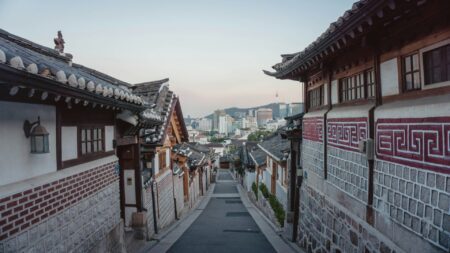
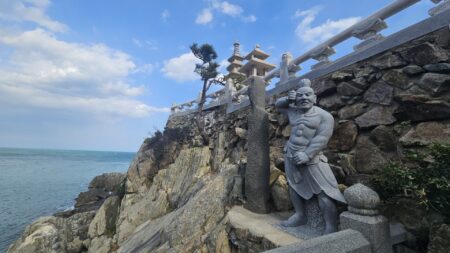

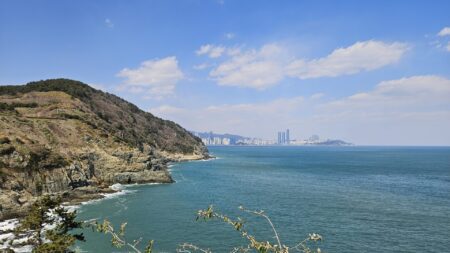


Beyond the energetic cities, South Korea boasts lush green mountains and beautiful sandy beaches, perfect for those seeking natural beauty and adventure. The country’s rich history is displayed in its ancient temples, palaces, and museums, offering a glimpse into its storied past.
Korean cuisine, famous around the world, offers a rich array of flavors, from spicy kimchi to savory bulgogi, that delight the palate. The global phenomenon of K-pop further showcases South Korea’s vibrant culture, captivating audiences worldwide.
Whether exploring bustling markets, hiking tranquil trails, or diving into the local music scene, South Korea offers a unique and fascinating journey. It’s a must-see destination that leaves a lasting impression on every traveler who visits.
Browse All Articles
If you see this after your page is loaded completely, leafletJS files are missing.
Browse By Type
Cities
Articles
South Korea Info & Stats
52 million
100,363 km2
507/km2
$1.7 trillion
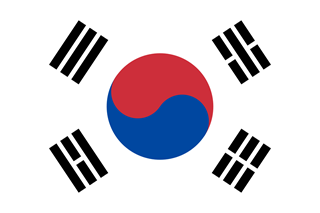
대한민국
Republic of Korea
At A Glance
- Language: Korean
- Population: 51,966,948 (2023 est.)
- Timezone: UTC +9
- Political System: Unitary presidential republic
- Ethic Groups: Korean 95.1%, other 4.9%
- Religions: No religion 56.1%, 27.6% Christian, 15.5% Buddhist, 0.8% other
- Currency: Korean Republic won (₩ – KRW)
- Credit Cards: Credit cards are widely accepted
- Electricity: 220 volt / 60 hertz (Schuko, Europlug)
- Tipping Customs: Not customary
- Haggling Culture: Not common

Climate & Seasons
South Korea has a temperate climate with four distinct seasons.
In the winter months (December to February), temperatures can drop below freezing, especially in the mountainous regions. Snowfall is common during this time, particularly in the northern parts of the country.
Spring (March to May) brings mild temperatures and blooming cherry blossoms. The weather is generally pleasant during this time, making it a popular season for visitors.
Summer (June to August) is hot and humid, with temperatures often reaching above 30°C (86°F). Monsoon season typically occurs in July and August, bringing heavy rainfall and the risk of flooding.
Autumn (September to November) offers cool and crisp weather, with beautiful fall foliage in the mountainous areas. This is also a popular time to visit South Korea for its pleasant temperatures and stunning scenery.
Overall, South Korea experiences a wide range of temperatures and weather conditions throughout the year, making it a diverse and interesting climate to experience.
Entry Requirements
South Korea has distinct visa requirements based on country of origin and citizenship.
Click the map to see details on visa requirements for each country

Alternatively, input your passport citizenship and quickly see the requirements that apply to you:
Safety
Safety: South Korea is extremely safe. That being said pickpocketing can still occur in major tourist places or the giant city of Seoul. Also, South Korea has one of the largest number of traffic accidents for a developed country so keep your wit about you when wandering around.
Natural risks: The biggest natural threat are typhoons during the summer season. The country is also prone to earthquakes which are nonetheless usually mild and a bigger threat is given by potential tsunamis.
Emergencies number: 112 (police), 119 (medical services and fire department)
Safety Indices
Learn more on the data source and the methodologies of ranking in the Global Safety Indices page.