

Jordan is a small country with a population of just over 10 million people, nestled in the heart of the Middle East. The country has a rich culture and diverse landscape, and is known for its ancient history, stunning landscapes, and friendly people.
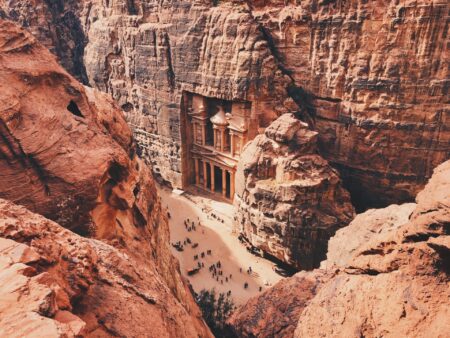
It is home to some of the world’s most important archaeological sites, such as the rose-red city of Petra, a UNESCO World Heritage site that enchants with its rock-cut architecture, the surreal expanse of Wadi Rum’s desert landscape, or the perfectly preserved greco-roman Jerash.

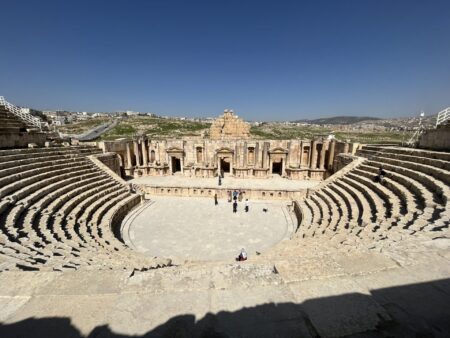
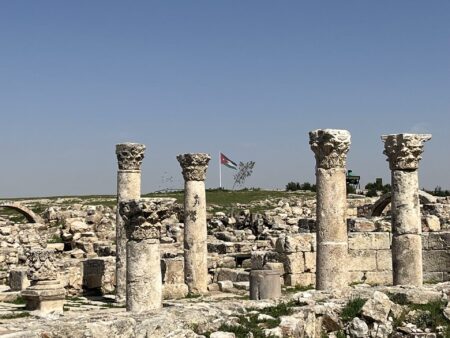
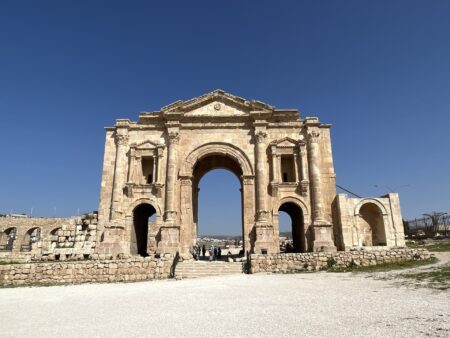
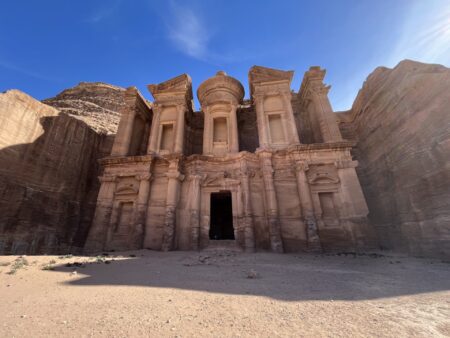
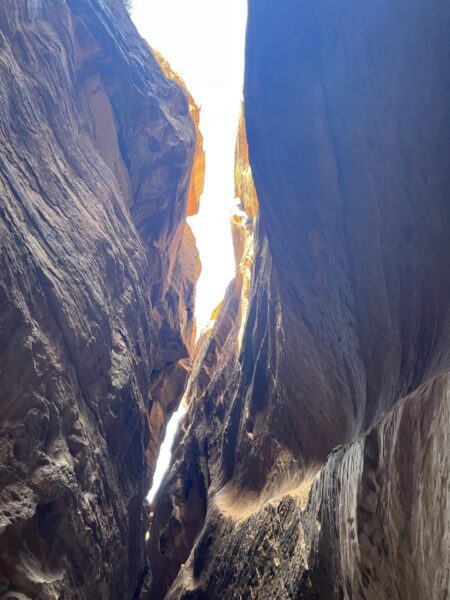
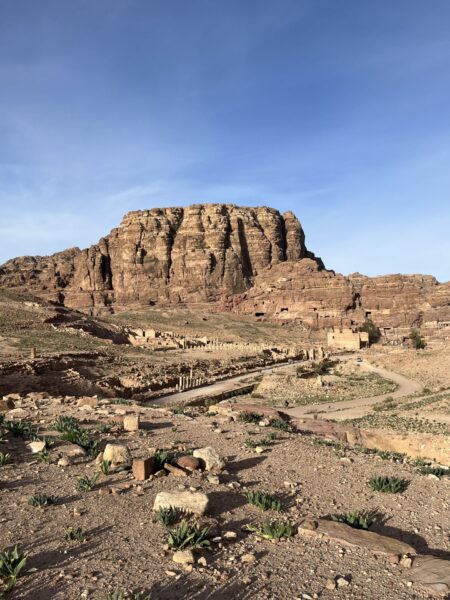

Beyond its historical and cultural treasures, Jordan provides adventures for every type of traveler. Float in the therapeutic waters of the Dead Sea, or trek through the Dana Biosphere Reserve’s diverse ecosystems.
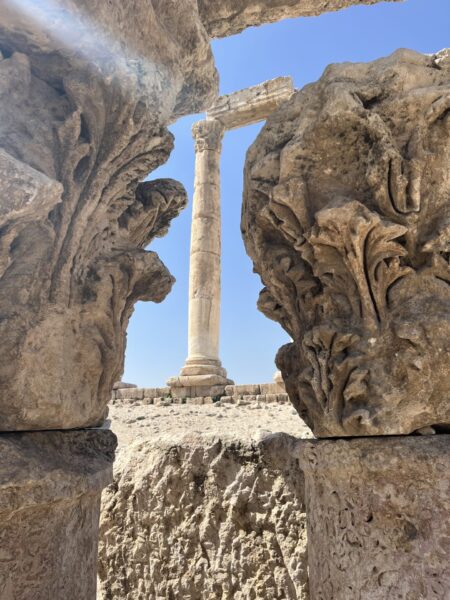
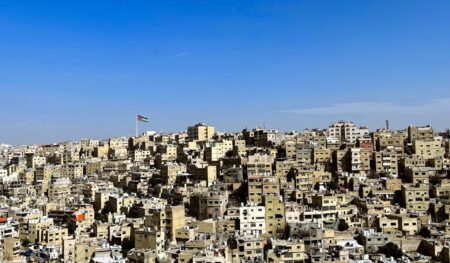
In Amman, the vibrant capital, modernity mingles with antiquity as bustling markets and lively cafes coexist with Roman ruins and historic mosques. Here, the flavors of Jordan come alive, with traditional dishes like mansaf and mezze offering a delicious taste of the region’s culinary heritage.
Whether you’re drawn to its storied past or the promise of new adventures, Jordan captivates with its blend of history, natural beauty, and hospitality, offering an unforgettable journey for every traveler.
Browse All Articles
If you see this after your page is loaded completely, leafletJS files are missing.
Browse By Type
Cities

Road Trips


Visits


Jordan Info & Stats
11 million
89,342 km2
61/km2
$132 billion
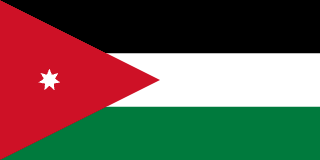
المملكة الأردنية الهاشمية
Al-Mamlakah Al-’Urdunniyyah Al-Hāshimiyyah
At A Glance
- Language: Arabic is the official language. English is widely spoken throughout the country
- Population: 10.4 million (est. 2019)
- Timezone: UTC +3
- Political System: Constitutional monarchy
- Ethnic Groups: 95% Arab, 5% other ethnic minorities (Druze, Assyrians, Circassians, Armenians)
- Religions: Jordan is primarily Muslim but there is a presence of Christianity. Compared to many other Arab countries, there is a high tolerance for other faiths.
- Currency: Jordanian Dinar (JD).
- Credit Cards: Credit Cards are widely accepted in cities and ATMs are evenly distributed, although there is a high service fee charge
- Electricity: Socket types: Europlug, British types, Schuko, 230 volt / 50 hertz
- Tipping Customs: 10-15% in restaurants and taxis
- Haggling Culture: Common in markets and souks

Climate & Seasons
The climate in Jordan varies greatly because of its desertic landscape. The further inland and away from the Mediterranean, the greater the contrast in temperature. Above the Jordan Valley, the weather is dominated by a Mediterranean climate, whereas the northeastern areas are arid and desertic, therefore hot and dry with cool nights.
In summer, the temperatures average around 32 °C, sometimes reaching and exceeding 40 °C. In winter, the average temperature stands at around 13 °C, with occasional snowfalls in the mountainous areas.
Entry Requirements
A visa is basically required for everyone entering the country but for some countries, a visa on arrival is sufficient.
Click the map to see details on visa requirements for each country
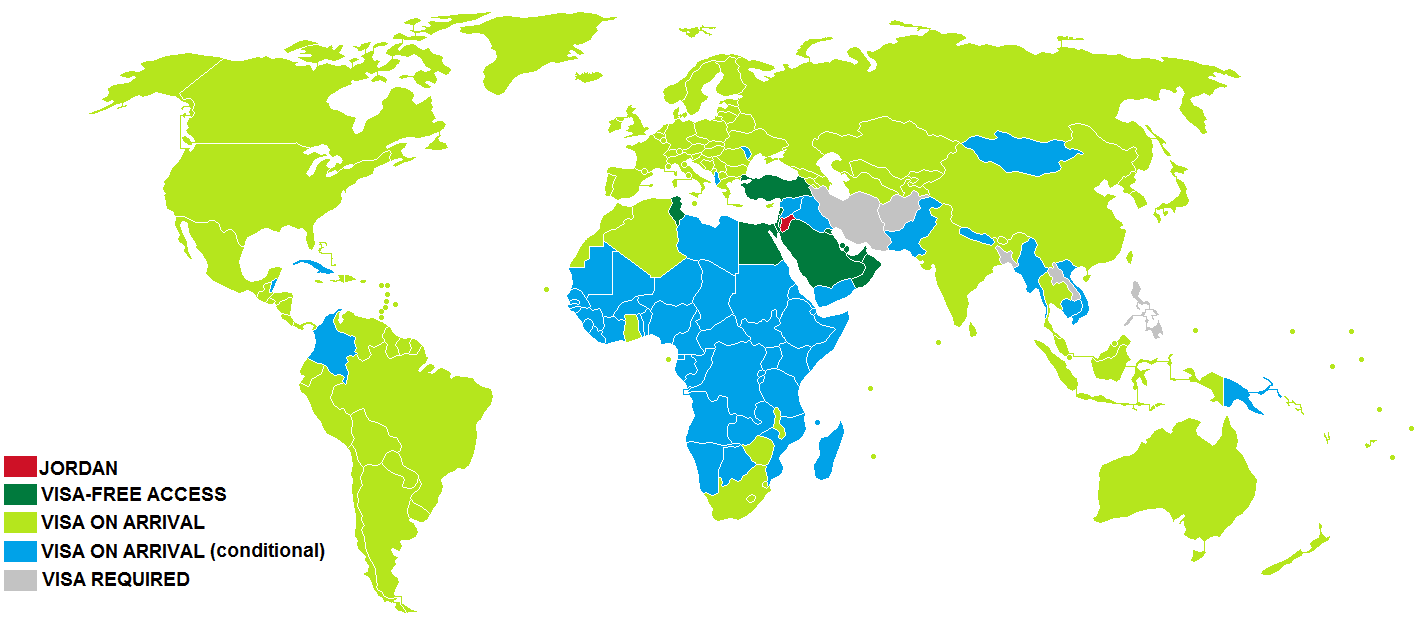
Alternatively, input your passport citizenship and quickly see the requirements that apply to you:
Safety
Safety: In Jordan, there is a high presence of police, which reduces instances of petty crime and theft. Because of its proximity to Syria and Iraq, the bordering areas may pose a higher threat.
Natural risks: The region is prone to earthquakes. The most frequent natural risks revolve around droughts and extreme temperatures and the consequent risk of landslides and flash floods during storms.
Emergencies number: 911
Safety Indices
Learn more on the data source and the methodologies of ranking in the Global Safety Indices page.