


Travelling has changed dramatically over the course of just a few decades. The impact of low-cost flying, ease of booking accommodations, globalisation, social media, travel blogs, digital cameras, and equipment has radically altered not only the ways in which we travel but also the very definition of travelling itself.
Nowadays, the tourism and travel industry is a behemoth, with the economies of several places being entirely based on it. Because of this, more and more attention is given to responsible, sustainable, and eco-friendly travel. These are not just trends but rather a necessary approach to exploring our planet.
As global citizens, it is our duty to be mindful of the impacts of tourism and have a responsible travel approach.
Here you can find 25 tips that cover the major aspects of sustainable and responsible travel that allow you to explore the world making choices that minimise the impact on the destinations and preserve their beauty and culture for future generations.
Impacts of travel and tourism

The impact of tourism on the environment and local communities is significant, to say the least.
Carbon emissions due to flights and overuse of natural resources at popular destinations are only two of the more obvious effects. Water consumption, wildlife endangerment, destruction of local economies in favour of globalised companies, adoption of mass transportation, ignorance and insensibility towards cultures, exploitation of people and animals, waste production and devastation of natural habitats all contribute to putting a severe strain on the touristic destinations and our planet as a whole.
Embracing Responsible Travel
Sustainable travel, or eco-friendly travel, encompasses a holistic approach that includes economic, social, and environmental dimensions.
Environment protection
The first and most obvious aspect of responsible travel is respecting and protecting the environment, the wildlife and natural habitats.
Conserving the Ecosystem

This mostly revolves around offsetting your carbon footprint and not polluting. Behaviours that contribute to protecting the environment are:
- Reducing Waste: Minimise the use of plastics by carrying reusable water bottles, bags, and containers. Properly dispose of waste and recycle where possible. Be also aware of local waste management practices and adhere to them.
- Using Eco-friendly Products: Biodegradable soaps, shampoos, and sunscreens prevent harmful chemicals from entering ecosystems and wrecking havoc on the local environment.
- Conserving Resources: Be mindful of your water and energy usage, particularly in areas where these resources are scarce.
- Supporting Conservation: Visit and support national parks, wildlife reserves, and conservation projects that help protect natural habitats and endangered species. Support organisations that work on reforestation, renewable energy projects, or community-based environmental initiatives.
- Using Eco-friendly Transportation: Choose sustainable modes of transportation such as public transport, carpooling services, biking, or walking. Use cars and flights sparingly and consider investing in reputable carbon offset programs. When flying, opt for direct flights and pack only what you need to reduce weight, which can reduce fuel consumption for transportation.
- Staying in Eco-conscious Accommodations: Look for hotels and lodgings that have sustainable certifications like LEED or Green Key. Support ecolodges or family-run guesthouses. Stay longer in one place rather than hopping from one location to another, reducing the environmental impact of frequent travel.
Ethical Wildlife and Nature Interactions
Also the interactions with wildlife and nature should always be conducted ethically and responsibly, so be sure to:

- Avoid Animal Exploitation: Refrain from participating in activities that exploit or harm animals, such as riding elephants or attending shows with performing animals.
- View Wildlife Responsibly: Do not feed, touch, or disturb animals.
- Protect Habitats: Stick to marked trails and avoid disruptive behavior that can harm natural habitats. Always adhere to the “leave no trace” principle and clean up after yourself.
- Educate Yourself: Learn about the local ecosystem and wildlife. Understanding the challenges they face can inspire you to support conservation efforts more effectively.
Social dimension
The environment doesn’t only consist of the natural habitat but also the communities that inhabit a destination. It is as important to respect local cultures and customs and contribute positively to local communities.
Respecting Local Cultures and Traditions
To travel responsibly, one must approach new cultures with sensitivity and respect. Be sure to keep in mind the following aspects when travelling:

- Learn About the Culture: Before you travel, research the local customs, traditions, and social norms. This will help you navigate cultural differences respectfully.
- Dress Appropriately: Be mindful of local dress codes, particularly in conservative societies or religious sites. Reflecting the community’s standards through your attire shows respect.
- Photography Etiquette: Always ask for permission before taking photos of people or cultural sites. Understand that some cultures might have specific beliefs or restrictions regarding photography.
- Participate Respectfully: Engage in local customs and traditions with openness and respect. Avoid behaviour that might be considered disrespectful or intrusive.
Engaging Positively with Communities

Building meaningful connections with local communities enriches your travel experience and benefits them:
- Volunteer Thoughtfully: If you choose to volunteer, ensure that the organization is ethical and that your contributions are truly beneficial. Avoid “voluntourism” projects that prioritize tourists over community needs.
- Listen and Learn: Approach interactions with curiosity and humility. Take the time to listen to local stories and perspectives.
- Give Back: Consider contributing to local causes, whether through donations, skills training, or supporting community projects.
Spreading Awareness

Being a responsible traveler also means spreading awareness about positive travel practices:
- Share Your Knowledge: Use your social media platforms, blogs, and conversations to educate others about responsible travel practices.
- Be an Advocate: Encourage family, friends, and fellow travellers to adopt responsible travel habits.
- Support Responsible Travel Companies: Choose to travel with tour operators and companies known for their commitment to sustainable and ethical practices.
Economical Responsibility
Lastly, keep in mind that your travel choices can make a significant difference in the economic well-being of local communities. Everywhere we go, we vote with our money, promoting the development of trends and businesses, so it is important to ensure that the economic benefits of tourism are distributed fairly and target the right enterprises.
Supporting Local Economies
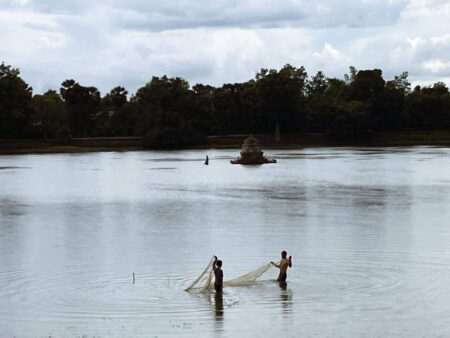
- Buy Local: Purchase goods, crafts, and souvenirs from local artisans and markets rather than international chains.
- Eat Local: Choose locally owned restaurants and food stalls that serve regional cuisine. This not only supports local business owners but also provides a more authentic culinary experience.
- Hire Local: Use local guides, drivers, and services to ensure your money benefits the community directly. Participate in community-based tourism initiatives that directly benefit the local population.
- Stay Local: Opt for accommodations like guesthouses, homestays, and boutique hotels that are locally owned and managed.
Much like avoiding exploitative animal practices, be sure to also avoid these practices applied to people; often the most vulnerable members of a community, such as children, are exploited.
Closing Thoughts
The world is a captivating tapestry of cultures, landscapes, and experiences waiting to be discovered. As we explore these diverse and beautiful locales, it is our responsibility to ensure that our journeys leave a positive impact on both the destinations and their inhabitants. Responsible travel is about being conscious of our actions and their effects, fostering respect for local cultures, protecting the environment, and contributing to sustainable development.
As you set off on your next adventure, carry these principles with you. Let every step you take be a positive one, and become not just a traveler but a positive force in the world.