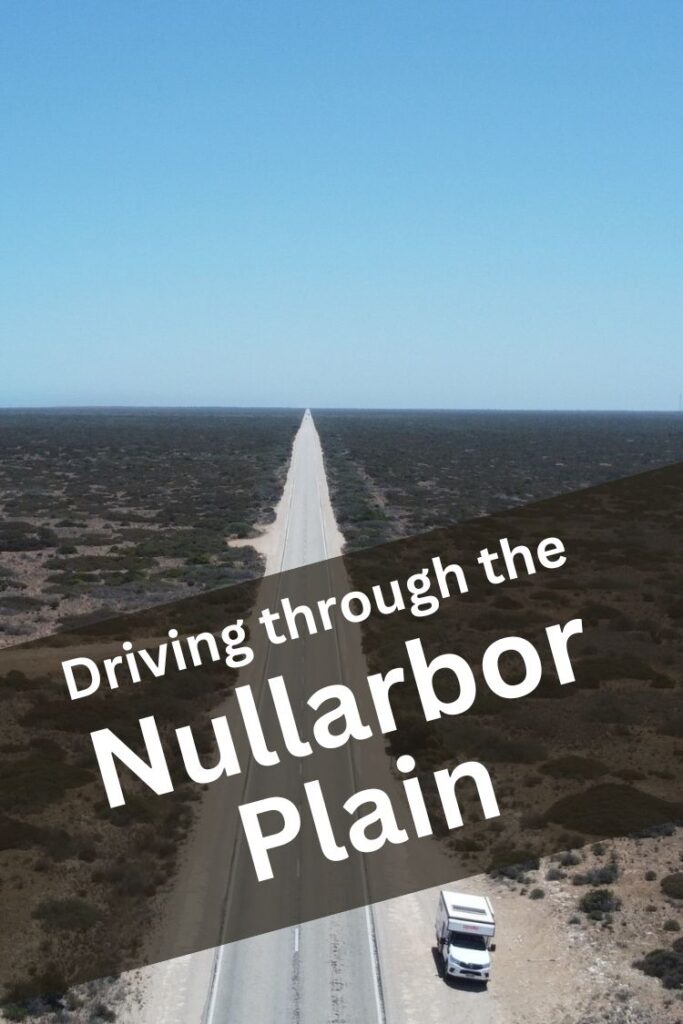


Traversing Australia in a campervan is possibly one of the most iconic adventures one can do in the Land Down Under, and the East Coast of Australia is among the most popular destinations to embark on this great escape. From the bustling streets of Sydney across the sun-soaked shores of Byron Bay, to the primordial rainforests in Cairns. This is a perfect blend of adventure, relaxation, and culinary delights. Stunning beaches, rich marine life, charming towns, and the open road. Everything you need for a great adventure on wheels.

Contents
I have been to Australia 3 times and spent overall 4 months there, 3 of which on camping road trips, covering around 10,000 km. My love for Australia, and some might say addiction to road trips, all started on this visit to the East Coast.
In this guide, you will find everything you need to know to plan for this epic journey of the Australian continent, starting in the south in the bustling metropolis of Sydney and heading north to the natural tropical paradise that is Cairns.
It is aimed at all travelers and includes also some basic information on vehicles, camping grounds, driving, the best time to visit, flora and fauna, and other tips. Skip ahead if you are interested only in the itinerary; otherwise, read on.

About
This road trip traverses the states of New South Wales and Queensland and starts in Sydney, finishing in Cairns. It can be done in both directions, as it mostly depends on whether you wish to move from cold to warm weather or vice versa.
The distance between these two cities is 2600 km, but overall the total drive distance will most likely become between 3000 and 3500 km after adding stops and exploring the various sights along the way.
In terms of absolute time, this means at least 30 hours of driving if you approach it “trucker style”. The recommended duration, however, is 21 days. The trip can be done in as little as 10–14 days (I personally did it in 2 weeks but was forced to just briefly stop and glance at the many locations) or prolonged to over a month.
It is intended to be done in a campervan but is feasible also with a normal rental car, although in my opinion you lose most of the experience and magic.
Australia At a Glance
- Language: English is the official language.
- Population: 25 million (2020 est.)
- Ethnic Make-up: Caucasian 90%, Asian 7%, aboriginal and other 3%
- Timezone: [UTC +8, UTC + 10]
- Religions: Protestant 23%, (Anglican 13%, Baptist 2%, Pentecostal 2%, United 4%, Reformed 2%) Roman Catholic 22%, other Christian 24%, non-Christian 11%, Muslim 3%, Buddhist 2% Other 15%
- Political System: Democratic, federal-state system recognizing the British monarch as sovereign
- Currency: The Australian Dollar (AUD)
- Credit Cards: Credit cards are widely used and many places will not accept cash payments
- Electricity: Socket Type I, 240 volt / 50 hertz
- Tipping Customs: Not expected, but appreciated
- Haggling Culture: Not common

Getting around
Camper van or car?

You do not necessarily need to rent a motorhome or campervan for this road trip, as most of the road is on paved motorways and cars are just fine. However, renting a car means finding hotels, motels, or hostels. It also requires you to eat mostly in restaurants instead of doing grocery shopping and cooking yourself. Basically, renting a car will ultimately be more expensive. Since you will most likely be forced to stick to major towns, it also removes the “exploration” factor and the magic hours in the morning when you wake up and watch the wildlife graze around with a hot mug in your hands.
Of course, camping brings its own set of challenges and might not be for everyone. Ultimately you are sleeping in a car or tent, and no matter how upscale glamping or holiday park you are staying in or luxury motorhome you have rented, showers and general hygiene will be less than optimal. Also, driving in cities with a campervan is harder, and you will most likely need to find special parking places to account for the height and size. Finally, the money you will save from accommodation and dining will be partly spent on higher fuel consumption because of the increased weight of the vehicle.
Campervan basics
The main campervan companies in Australia are: Britz, Camperman, Jucy, Spaceships Rentals, Wicked Campers, and Mighty Campers.
If you opt for renting a campervan, my suggestion is to avoid large motorhomes with bathrooms and showers due to the many camping grounds you will come across (also, the perk of a fully self-contained vehicle brings with it the chore of cleaning and disposing of the water).
Since most of the journey is on highways and paved roads, a 4WD or highly resistant vehicle is not strictly necessary.
The 4th generation Toyota Hiace from the 90s does its job perfectly, and since they are so successful and common because of the competition, they are easy to find in good shape and at good prices. These models are 2-wheel drive and quite narrow, and they are converted into “Hitop”, meaning they are tall and you can stand upright inside, have a small indoor kitchen, and have a large single bed.
Alternatively, it might be overkill for this road trip, but the Toyota Hilux is also a great choice, bringing 4WD, a lower barycenter (the Hiace Hitop is very tall and might swing a bit in case of wind), and a more comfortable experience. Basically, with the Hilux, you can go anywhere.
No matter which model you choose, be sure to prepare adequately for the road trip. Camping is clearly not the same as doing a road trip and stopping in a motel. As such, you need to have with you things like toiletries and towels.
Make sure to stock up on groceries, plenty of water (both drinking and to be used for cooking/shower, etc.), a charged fridge, or regularly buy ice for a cooler. Finally, sunscreen lotion and insect repellent are lifesavers and can make the difference between a pleasant evening and a nightmare. (Pro tip: wear long sleeve shirts when you drive, as you will have the sun beating relentlessly on your right arm for most of the day).
Also be sure to plan your daily drive, meaning where you will stop, having a rough idea of refuelling stops, and knowing where you will camp for the night.


Camping grounds
There is no shortage of camping grounds, which are spread all over the place.
Prices vary considerably if staying in a camping ground with basic amenities or a holiday park which offers more things such as a large communal kitchen, showers, outdoor pools, kids playing area, etc.
The most famous holiday parks chains are NRMA, BIG4, G-day parks, and Discovery Parks.
Their rates are, on average, around 50-100 AUD per night, usually depending on whether you book a site on a concrete slab or on grass and whether the lot is powered or unpowered. These holiday parks also often offer “glamping” solutions, so luxurious small cabins and tents, which can be as expensive as hotel stays.

Make sure to download all the relative camping apps to find camping spots, and places where fires are allowed or not (as well as wildfire alerts). Google maps can already give an indication of the camping grounds but specialized apps such as campermate (apple download, android download) and THL (apple download, android download) will give more information on the amenities and you can also pre-book a site.
It is not permitted to stop overnight anywhere, and it must be done only in designated areas. Freedom camping is usually permitted in national parks, rest stops, or large parking lots. Where it is allowed, you should also check whether it is permitted only to self-contained vehicles, meaning with its own toilet and water storage, or if there are some basic amenities in the free camping ground.
You can find the list of available camping grounds in national parks for New South Wales here and for Queensland here. Alternatively, on http://www.freecampingaustralia.com.au/ you can find a general list of free or cheap camping grounds.
Always check if the area where you intend to park for the night allows for freedom parking. Sometimes entire towns do not permit it, and it is usually clearly stated upon entering them. In places where it is not allowed, people do check and will issue fines and even force you to move in the middle of the night.
Driving
When driving in the Land Down Under all common driving requirements are followed, i.e., mandatory seatbelts, it is illegal to drive under the influence (with alcohol limit at 0.05%), and the driving legal age is 18.
Australia uses the metric system so when driving, it’s kilometres and litres.
When it comes to the basics: driving is on the left side, and roundabouts are clockwise, with way given to those already in the roundabout (so to the right). Otherwise way is given to cars coming from the left.

Save the drive cheat sheet for reference
Speed limits
Speed limits are often not indicated and the default limits are 50 km/h in urban areas, 100 km/h in rural areas, and an abysmal 110 km/h on highways.
Speed limits are strictly followed, even when common sense would suggest doing otherwise. Most rental agencies will include a transponder, which also checks your speed.
The temporary reduced speed limits in sections where there are road works are often exaggerated, like in many other countries, but are also precisely obeyed.
On the other hand, limits may sometimes seem too high, such as rural roads passing near farms or dirt roads where cars and trucks will drive at 100 km/h.
Roads

On this East Coast road stretch there are two main highways: the Pacific Motorway from Sydney to Brisbane and the Bruce Motorway from Brisbane to Cairns. Both of these highways are in good condition.
It is easy to find offroad or dirt roads (or infamous suspensions-destroying corrugated roads) as soon as one ventures into the hinterland. Depending on the region, these can be nothing major or require 4WD. Also note that many areas are at risk of flash floods, so always check the weather forecast before venturing off the beaten path.
On some of the magnificent beaches, you can also drive, but that brings its own complications for driving on wet sand. Apart from checking whether it is allowed or not, be sure to know how to actually drive on sand to not find yourself bogged down in front of a rising tide.
Toll roads
Australian toll roads are all electronic and on this journey are mostly located around Sydney and Brisbane (or inside cities, such as the Sydney tunnel in Sydney). The easiest way to pay for them is to register an account beforehand, and there are different providers depending on the region, such as LINKT in Queensland or eMU in New South Wales.
Fueling
Refueling is done the “non-American” way, for lack of a better word. This means payment is not done upfront to unlock the pump. Petrol stations are both serviced and self-serviced. Be aware that fuel amounts are measured in cents, so the dials will turn pretty quickly.
The East Coast is one of the most populous areas of Australia, so you will not experience those infinitely straight and never-ending roads without any petrol station for hundreds of kilometers.
Wildlife and roadkill
Unfortunately, you will see a lot of carcasses of run-over wildlife. The long stretches of roads, many of which are without guard rails or street lights, inevitably cause this. Kangaroos also have no sense of traffic whatsoever. I did not experience any crashes and did not rent a vehicle with a bullbar for this road trip, but it might be a good idea to do so.
In general, keep a close eye on the sides of the roads for wildlife and for signs indicating potential wildlife. Also, get familiar with the fauna of the region and the natural habitat (e.g., passing through a forest with eucalyptus trees brings a chance to encounter koalas; passing through grassy areas and shrubbery makes kangaroos and wombats more frequent).
In case of an accident with local fauna, you can call 1300 ANIMAL (that is 1300 264 625) for animal rescue.
In general, it is best to avoid dusk and dawn, when animals are more active and there are fewer cars, meaning they are more likely to be near or on the roads, and visibility is low. Driving at night should be avoided in most cases.
Road signs
Everyone knows about the iconic animal crossing signs, such as those for koalas and kangaroos, but road signs are generally hilarious. In some places, simple signs that should just indicate to give way are replaced with long, extremely polite signs indicating to turn slowly, to the left, with care. Also, in high-fatigue areas, you will find entertaining signs with trivia questions or jokes about kids asking their parents “are we there yet?”. In cities, parking signs are quite unintelligible at first but contain all information.


General info & tips
Best time to visit
Weatherwise, the best time to visit would be winter and spring (so May to September), when the weather is cooler and drier. This is especially true up north near Cairns, where there is a tropical climate, meaning it would be Dry season.
Peak season is the summer (December to February), but it is not recommended to travel in this period because of the heat. Also, both cyclone season (November to April) and Stinger season (October to May) cover these months, so it is best to avoid summer altogether.
Independently from the season, the Australian Sun is unforgiving (the country has the highest rate of skin cancers worldwide, partly due to a lingering ozone hole), and travelling through places with names such as Sunshine and Gold Coast should give you an idea of what to be prepared for.
Also, the trip crosses almost an entire latitude line and three climate regions (from temperate to subtropical to tropical), so there is quite an excursion in terms of temperatures. Couple that with the differences between the coastal and the hinterland regions, and you can experience radically different weather patterns.
Safety
“People-wise” Australia is one of the safest countries on Earth. The bigger threat is natural risks, which include earthquakes in the northern regions and cyclones on the coastline during the wet season. Floods and forest fires are also common. A lot of the coast is a surfers paradise due to the powerful waves from the ocean, but this brings the risk of rip currents. Finally, as mentioned previously, UV exposure should also be considered as a risk.
Australia has a single emergencies number: 000
Safety Indices
Learn more on the data source and the methodologies of ranking in the Global Safety Indices page.
Entry requirements
All visitors – apart from citizens of New Zealand – require a visa in advance of travel
Click the map to see details on the visa requirements of the Schengen Zone for each country.

Alternatively, input your passport citizenship and quickly see the requirements that apply to you:
Flora and fauna

Due to the different climate zones, you will experience a wide range of ecosystems, including rainforests, mangrove swamps, woodlands, bushland, and eucalyptus forests.
The staple of any visit to Australia is its iconic national animal: the kangaroo, and Eastern Australia is home to the Grey Kangaroo. Another common marsupial that you will encounter is the Wallaby.
Among marine life, bottlenose dolphins, sea turtles, seals, penguins, as well as saltwater crocodiles. Depending on the season whale watching can be a popular sightseeing activity of humpback whales.
A special mention must be given to birds, as you will see a myriad of them. From the usual pigeons, seagulls, and crows, like in most cities, to the mynas with their yellow beaks and excited eyes, dozens of white ibis, and the famously territorial and feared magpies. In parks and campgrounds, you will find ducks, and turkeys.
Trivia pill
In 1932 Australia declared war! On Emus. In an attempt to curtail the large bird population, the army started an organized campaign to limit their numbers.
You can read more here in the Wikipedia article. Spoiler alert: The Australian army “lost”. The effort and ammunition used were economically disadvantageous and sending large regiments to gun down individual Emus was not cost-effective. There were multiple attempts but all failed. A different strategy of placing bounties on Emus was more successful and more than 57,000 bounties were collected. Today Emus are not common anymore in Eastern Australia, but still present in other regions, clearly because of their superior tactical advantage and strategic military genius ☺️
In the north around Cairns, I was not lucky enough to see them, but the huge Cassowaries are also present. What I did witness in Cairns were huge flocks of starlings, which appear especially threatening in the morning and at dusk, when the immensely loud volume of their chirps is followed by all of them leaving a specific tree and just speeding through the streets to their next destination. It is unsettling to say the least to wait as a pedestrian at a traffic light, seeing it turn green, and hearing in the distance an incoming screech followed by a literal wave of hundreds of small black birds just flooding the street you are crossing.
Finally, your ears will bleed from the whistles of the bush stone-curlews, nicknamed the “woman screaming bird”, from screeches from parrots and parakeets, and from the disturbing laughs of the Kookaburras (these are taken straight out of a Batman and Joker comic, you’ll know when you hear them).
Wildlife threats
When it comes to seriously dangerous wildlife, although untrue, it is a common joke that every animal in Australia will try to kill you. This comes from the unique and incredible biodiversity of the country. However, on this east coast road trip you will not be crossing deserts or vast unpopulated areas, so most fauna is relatively harmless.
Being this a camping road trip, and ultimately an adventure in the wild, be sure to keep your wits about you (i.e. don’t leave shoes outside during the night unless you want them to be stolen by some cheeky animal or find a spider cozing up inside them in the morning).
For completeness over potential threats, here is a list of the most dangerous animals, but note that it is very, very unlikely you will have any close encounters with any of them:
- Crocodiles: Be sure to always check for warning signs regarding saltwater crocodiles, as there are many places that will have small seaside lakes, rivers, and estuaries leading into the ocean, a natural habitat for these perfectly evolved dinosaur predators.
- Snakes: In Queensland there is a small population of the Inland Taipan, the most venomous snake in the world.
Over half of this road trip coasts the Great Barrier Reef, and with thousands of kilometers of raw unspoiled beaches, it is a true paradise for snorkeling or diving and admiring marine fauna. This however can bring up encounters with sharks out at sea, but even a quick dip in the water by the beach should be done with care. In fact, most threats actually come from jellyfish (stingers) and venomous fish. Because of this, swimming with a wetsuit is advisable to avoid bad stings.
When it comes to dangerous marine fauna:
- Stingers: The Box Jellyfish, known as the most lethal jellyfish in the world, has 3 m long tentacles and is infamous for its sting, which brings unbearable pain. The Irukandji jellyfish, which instead are miniscule, are one of the most powerful species of jellyfish in the world (although not lethal).
- Invertebrates: cone snails are deadly poisonous. The blue ring octopus is considered to have the most deadly poison in the world with no antitoxin.
- There are 15 different species of sea snakes.
- Fish: the most famous are the lionfish with its deadly dorsal fins and the stonefish which uses absolute perfect camouflage to blend in with the surroundings and is also deadly. The stonefish is actually the most poisonous fish in the world, and it’s antivenom is the second most administered in Australia, indicating how common encounters with this species are.


Other tips
- Australia is known for being a highly developed country with terrible internet connection. You might still find places that do not offer free WiFi or have limited-time access based on access codes.
- Same goes for cellular connection, and in general, for such a long trip of weeks, it is best to get a local SIM card. Telstra is the operator with better coverage, but be prepared for some dead zones.
- In restaurants and bars, often orders will be done digitally, by scanning the menu QR code at the table and directly ordering online. In many places that are not high-end or exclusive, there is usually no need to wait to be seated, and you just sit, scan the code, order, and pay. This is very efficient, although it may be annoying to create a whole new order and a new credit card payment if, for example, you want to add a dessert or coffee at the end.
- Tipping is not customary, although always appreciated. Usually not at the 15-20% levels of the US, but around 5-10%.
- Modesty and authenticity are strong values, and Australians are very down to earth and humble. Especially when it comes to humour, it is common for people to be self-deprecating and sarcastic about themselves and others.
- Given the immense and unique biodiversity of the country, respect for nature and wildlife is very important.
- As in many other places with a colonialist past, discussions about refugees or the Aboriginal people is a sensitive subject and should be approached carefully.
- Large breakfasts that flow into brunches are commonplace. Also, Australians do know their coffee, and every city I’ve been to has several coffee places scattered around.
- Australia is known to have some of the best public barbecues in the world. Most are completely free to use, and you will find them clean and well-maintained. As such, be sure to clean them yourself after use for the next user.
- Australians have a well-developed nightlife and drinking culture; I’ll just leave it at that.


Itinerary
With all that said and done, let’s move on to the itinerary.
Start: Sydney

Be sure to spend at least a couple of days in Sydney before embarking on your journey. Sydney is the most populous city of the country, and there is no shortage of things to see and do. From it’s iconic heart-shaped harbour with the mesmerizing Opera House and the imposing Harbour Bridge to beautiful and famous beaches such as Bondi and Manly Beach.
The city is known for it’s vibrant nightlife and fantastic restaurants. The different neighbourhoods all have a unique character that caters to all different kinds of people. Being a large metropolis, there is no shortage of great museums and cultural venues.
A great walk is the Bondi Beach to Coogee coastwalk, passing high-end luxury houses perched over the impressive cliffs.
For more information check out the specific article on the vibrant city of Sydney.

Popular things to do and see
Sydney Opera House, Harbour Bridge, Bondi Beach, Sydney Tower, Darling Harbour, the Rocks, Royal Botanic Gardens, Taronga Zoo.
Ticket Deals for New South Wales
Trip Leg 1: Calga, the Entrance, Newcastle

The journey starts proper with a visit to Calga, a charming village very close to Sydney. Here you can spend a few hours enjoying the spectacular views of Lake Macquire before heading on through The Entrance and stopping for the night in the city of Newcastle.
Newcastle is a moderately large city, so there is no shortage of restaurants and things to do. In Newcastle, the Bogey Hole, a man-made stone pool constructed in 1820 by convicts, which looks like the first example of an infinity pool, is a great sight. There are also the iconic Newcastle Ocean baths where you can dip in and relax at the end of the day.
Drive distance: 170km
Popular things to do and see
Calga: Australian Reptile Park, Warrah Lookout, Mount Penang Gardens
The Entrance: The Entrance Waterfront, The Entrance Beach, Tuggerah Lake, The Entrance Ocean Baths
Newcastle: Newcastle Ocean baths, Bogey Hole, Newcastle Beach and Merewether Beach, Nobbys Head and Nobbys Beach
Trip Leg 2: Port Stephens, Anna bay, Nelson Bay, Port Macquire

There is a lot to explore around Newcastle, such as Port Stephens, Anna Bay and Nelson Bay. These are three beautiful bays that offer stunning views of the waters and offer plenty outdoor activities, like fishing, scuba diving, snorkelling, paddle boarding, kayaking, and whale watching. These port cities also offer delicious seafood so you can stop anywhere and be sure to enjoy a great lunch.
The sand dunes of Anna Bay are a beautiful sight where the dunes reach straight onto the coastline of the beautiful bay.
Drive distance: 320km
In Port Stephens the Koala Sanctuary is a unique conservation center for rescued koalas. Since you will most likely not encounter any koalas in the wild, visiting the Sanctuary is an opportunity to see these iconic Aussie animals up close and learn about the rescue efforts.
After thoroughly exploring, proceed for 250kms to Port Macquire
Port Macquarie boasts beautiful beaches like Town Beach, Flynns Beach, Lighthouse Beach, and Shelly Beach. The ideal visit includes the scenic walk along the 9-kilometer coastal trail that stretches from Town Beach to Lighthouse Beach, offering stunning sea views and chances to spot dolphins and whales.
Popular things to do and see
Nelson Bay: Tomaree Head Summit Walk, Gan Gan Lookout, Dolphin and Whale Watching cruises
Anna Bay: Stockton Sand Dunes
Port Stephens: One Mile Beach, Koala Sanctuary
Port Macquarie: Tacking Point Lighthouse , Port Macquarie Coastal Walk, Hastings River
Trip Leg 3: Coffs Harbour, Byron Bay

Next stop is Coffs Harbour, a small coastal town, known as the “Jewel of the North Coast”. It is the gateway to the Great Dividing Range, so making a detour into the hinterland to admire the lush rainforest and mountain range is a great way to stretch your legs.
Remaining in town, the Coffs Harbour Jetty is perfect for leisurely walks, fishing, and scenic views, and to stop for lunch in one of the many nearby cafes and restaurants. For children, there is also the Big Banana Fun Park, worth only a short stop but will surely amuse younger ones.
Drive distance: 385km
A 2.5 hour drive will then lead you to Byron Bay. By this point, you will have realized that any stop offers stunning coastlines with incredible beaches, excellent for water sports or relaxing. Byron Bay is no different, but the town is also renowned for its new age spiritual retreats, yoga classes, and holistic treatments, making it a perfect destination for mind, body, and soul.
The Cape Byron Lighthouse offers stunning panoramic views and is the most easterly point of the Australian mainland. Watch a sunset here when you arrive, or a sunrise the next morning for beautiful scenery and whale watching.
Popular things to do and see
Coffs Harbour: Big Banana Fun Park, Coffs Harbour Jetty, Dorrigo National Park
Byron Bay: Cape Byron Lighthouse, Byron Bay Markets, Byron Bay Beaches (Main Beach, Wategos Beach, and Tallow Beach), Arakwal National Park
Trip Leg 4: Gold Coast, Brisbane

The next leg of the trip will see you leave New South Wales and step into Queensland. Despite being a short drive, two large cities await you, with Brisbane being the state capital of the region.
The first stop is Gold Coast. The city is quite unique, with large “American-style” avenues dotted with department stores and fast food restaurants that lead to the city center, where numerous canals coast and cross the streets (with most streets having names of Italian towns). This part of the city is reminiscent of Amsterdam or Venice. Proceeding further will lead you to the business district with towering skyscrapers, finally reaching the long, beautiful beach.
Drive distance: 160km
On the coast, the Surfers Paradise suburb is what the name implies – an infinite stretch of beautiful sandy beach hit by the waves of the Pacific Ocean.
Brisbane is the third largest city in Australia and is definitely worth a stopover of multiple days. It is modern, and renowned for its urban vibrancy, world-class dining, and amazing climate. You can enjoy a leisure cruise on the river that cuts through the city or spend the day at the South Bank Parklands, an artificial beach surrounded by cultural venues, and diverse restaurants.
The imposing Story Bridge (which can be climbed like the Harbour Bridge in Sydney) is also quite a sight. Walking along the riverfront wooden walkway towards Kangaroo Point is a great way to get an overview of the city.
Finally, Brisbane offers important museums, the most famous of which is QAGOMA, showcasing important pieces of modern art and temporary exhibitions.
For more information check out specific article on the sun-kissed city of Brisbane.

Popular things to do and see
Gold Coast: Surfers Paradise Beach, Lamington National Park, Currumbin Wildlife Sanctuary
Brisbane: Gallery of Modern Art, Lone Pine Koala Sanctuary, Story Bridge Climb, Brisbane River Cruise, South Bank
Ticket Deals for Queensland
Trip Leg 5: Sunshine Coast, Noosa

The Sunshine Coast of Australia, is known for, you guessed it, its beautiful beaches.
Noosa is arguably the most popular town on the Sunshine Coast and has become known as the perfect place to slow down and enjoy life. Noosa feels like an old American-dream town of the 50s. The town center is packed with cafes and bars, brimming with chilled-out people.
In case you have not yet visited another National Park on previous stops, the Noosa National Park is a great destination for a quick hike along the coastline.
Drive distance: 150km
Until now I have not recommended any particular camping ground, but the Noosa Luxury Glamping Park deserves a special mention because of the great views of the lake and perfectly trimmed gardens thanks to the grazing kangaroos that routinely roam in the evenings and mornings. Campervan sites are also relatively cheap, but it is a great place mid-journey to ditch the van and treat yourself to a glamping night in one of their tents or cabins.
Popular things to do and see
Noosa: Noosa National Park, Hastings Street, Noosa Farmers Market, Noosa Everglades
Sunshine Coast: Mooloolaba Beach, Eumundi Markets, the towns of Montville and Maleny, Australia Zoo
Trip Leg 6:Hervey Bay, Bundaberg, Agnes Water, Rockhampton

From here on, the drives become increasingly longer, as there is arguably less to see. There are still kilometers of pristine beaches with great seaside towns, but this leg of the trip can be done quite quickly if you are short on time.
The first stop is Hervey Bay, known for its crystal-clear beaches, such as Rainbow Beach, and for being the gateway to K’gari, also known as Fraser Island (the largest sand island in the world, and well worth a visit).
Drive distance: 350km
Proceeding north, the scenery changes drastically towards the farmland, and 100 km north of Hervey Bay is Bundaberg, known mainly for it’s sugar and rum production.
Stop for the night in the delightful town of Agnes Water. As in previous stops Agnes Water hosts stunning beaches with pristine waters.
If you skip Fraser Island or feel like pushing forward a bit more, you can drive up north further for 150kms to Rockhampton. The following day will be an intense drive-only day.
Popular things to do and see
Hervey Bay: Hervey Bay Esplanade, Fraser Island, Whale Watching Tours
Bundaberg: Bundaberg Botanic Gardens, Bundaberg Rum Distillery, Bundaberg Barrel
Agnes Water: Agnes Water Beach, Lady Musgrave Island, Deepwater National Park
Trip Leg 7: Airlie Beach

From Agnes Water there is a long, 700km drive towards the next destination: Airlie Beach.
If too long of a drive, you can split this stretch into two parts, with popular stops on the way being Rockhampton, Calliope, Clairview, or Mackay.
Rockhampton and Calliope are best suited for bushwalking and natural reserves, whereas Clairview and Mackay are coastal towns, in case you are still hungry for strolling in marinas and excellent seafood.
Drive distance: 700km
Mackay is a larger city that offers marinas, parks, and plenty of shopping and dining options, whereas Rockhampton is known as the Beef Capital of Australia, and you will find many places to enjoy delicious steaks.
You can also stop in the small town of 1770 (yes, that’s the actual name of the town, named after Captain Cook’s second settlement done on May 1770). Population: 80.
After the long stretch of less touristic places, you will find Airlie Beach—the gateway to the Whitsundays—a collection of 74 islands and islets, perfect for kayaking and sailing.
It is a renowned tourist destination in the heart of the Whitsunday Coast and offers many accommodations options. It also has a lively nightlife with numerous bars, clubs, and restaurants. There is no shortage of activities, such as fishing, sailing, scuba diving, kayaking, and skydiving. Skydiving in particular is wonderful, and the plane ride itself is beautiful, as you can admire the beautiful islands from above, before taking the plunge.
Popular things to do and see
Rockhampton: Rockhampton Botanic Gardens, Mount Archer National Park, Capricorn Caves, Keppel Bay Islands
Clairview: Clairview Beach
Calliope: Lake Awoonga
Mackay: Bluewater Lagoon, Eungella National Park, Mackay Regional Botanic Gardens, Cape Hillsborough National Park
Airlie Beach: Airlie Beach Lagoon, Whitsunday Islands, Whitehaven Beach, Conway National Park
Trip Leg 8: Townsville

After Airlie Beach, there is another stretch of road with fewer sights. You can stop for lunch at Bowen, which is a relaxing laid-back coastal town 1 hour drive from Airlie Beach, before heading on to Townsville.
Take a stroll along the Strand: the scenic beachfront promenade lined with palm trees, cafes and restaurants. From here you will see Castle Hill towering over the city. This iconic granite monolith can be climbed and offers panoramic views of the city, Magnetic Island, and the Coral Sea.
Drive distance: 270km
Popular things to do and see
Bowen: Mother Beddock Lookout, Horseshoe Bay and Grays Bay, The Big Mango
Townsville: Townsville Castle Hill, The Strand, Queens Gardens, Billabong Sanctuary, Magnetic Island
Trip Leg 9: Mission Beach, Palm Cove, Port Douglas, Cairns

The final stop of the trip is Mission Beach, a small town that is almost untouched and nestled in nature and is a great place to spot sea turtles and cassowaries.
Proceeding 150 km north you will (finally) reach Cairns, but be sure not to end your journey here as there are some of the most amazing places surrounding the area.
Drive distance: 350km
Spare a day for a day trip to Port Douglas and Cape Tribulation to visit the Daintree National Park. The Daintree Forest is the oldest rainforest in the world and is a must-see. Passing over the Daintree River will take you into the ancient tropical forest and transport you straight into Jurassic Park.
If you have not done so already during the previous 1000 km of coastline, Cairns is arguably the most popular entry point to the Great Barrier Reef, with dozens of cruises that offer snorkeling and scuba diving day trips to this natural wonder of the world.
Finally, stay in Palm Cove, the nearby upscale tropical village, to relax at the beach or indulge in one of the many luxury spas and wellness retreats, offering a range of relaxing treatments. After this long journey, you definitely earned it.
Popular things to do and see
Mission Beach: Mission Beach Boardwalk, Pacific Beach, Mission Bay Park
Cairns: Great Barrier Reef cruise, Cairns Esplanade, Cairns Acquarium, Fitzroy Island, Green Island
Port Douglas: Four Mile Beach, Flagstaff Hill Lookout
Cape Tribulation: Daintree Forest National Park, Marrdja Boardwalk
Palm Cove: Palm Cove Beach, Esplanade
Closing thoughts
The Australian East Coast might not be the most hardcore or full-on wild road trip, but is certainly up there when it comes to sheer beauty.
As you travel this remarkable route, you’ll encounter an array of unique flora and fauna, witness migrating whales, and marvel at the Great Barrier Reef’s underwater splendor. You’ll navigate through bustling coastal towns, tranquil national parks, and secluded islands, each locale offering its own slice of paradise.
This trip will certainly leave you with memories. Perhaps like me, you will be forever scarred by the relentless birds chirping, screeching, and swooping above your head. But you will also surely remember the starry sky and the exceptional biodiversity. If anything, after this trip you will have been forever spoiled when it comes to beaches. Each time you’ll see a beach packed with umbrellas, you will say, “In Australia, there are kilometers of empty white sand just for you”.
Looking For More?
Check out the Ultimate Aussie Road Trip that crosses the entire continent from Perth to Sydney (not for the faint of heart)