

This is not only a road trip, but an odyssey. The quintessential road trip adventure. That road trip that makes you feel incredibly small, and that connects you to nature in its most primal forms.

Impossibly vast landscapes accompany you while kangaroos hop on the side of the road, and question what are YOU doing HERE?

HERE, where immense monolithic granite rocks jut out of the Earth and act as a testament of the titanic collisions between Antarctica and the Australian continent.

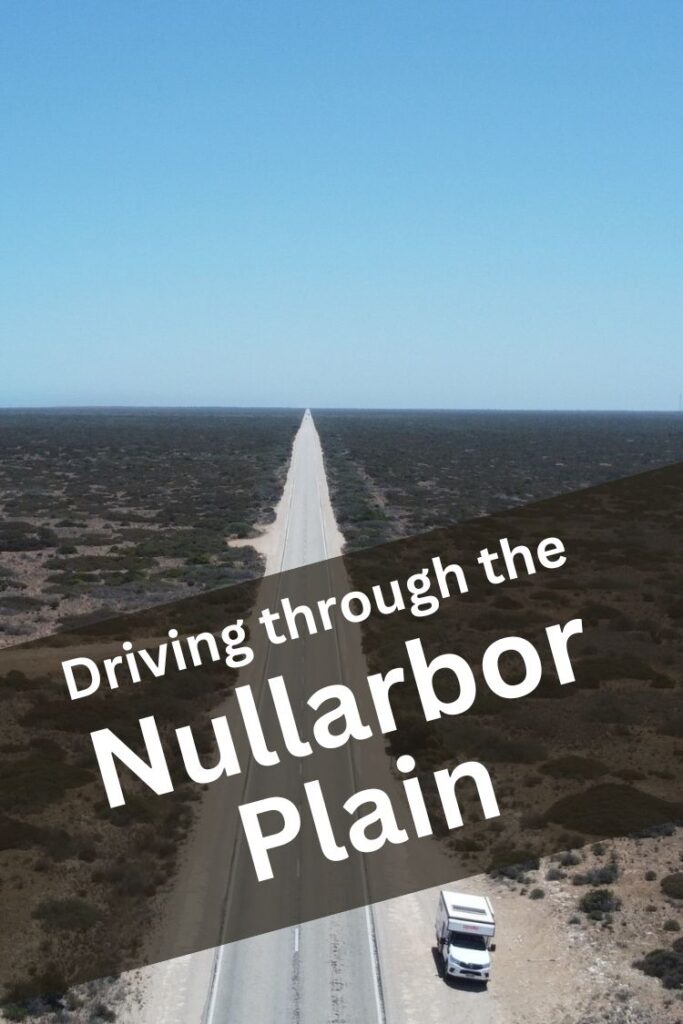
HERE, where annoyingly perfectly straight roads pierce through empty spaces, so empty that trees do not dare to grow.

HERE, where winding coastal roads overlook limestone cliffs that face the Great Australian Bight and try to withstand the relentless force of the Southern Ocean.

HERE, where the starry sky blinds at night, and steals your heart.

There is no shortage of amazing open roads in the world. And then there is Australia.

Contents
The Land Down Under offers an abundance of epic road trip itineraries. Be it in the north, enjoying the tropical climate around Darwin, or the short but beautiful coastline between Melbourne and Sydney on the Great Ocean Road, or exploring the Red Center to visit the iconic Uluru/Ayers Rock, or the long and popular stretch on the East Coast, through the states of New South Wales and Queensland.
But there is one road trip that can be described as the ultimate Aussie road trip, if only for its sheer audacity and hubris.
This is the coast to coast, west to east, from Perth to Sydney, traversing the entire continent on the southern coast, on the (eerily) straight Eyre Highway.
In this guide, you will find everything you need to know to plan for this epic journey of the Australian continent. It is aimed at all travelers and includes also some basic information on vehicles, camping grounds, driving, the best time to visit, flora and fauna, and other tips. Skip ahead if you are interested only in the itinerary; otherwise, read on.

THE Ultimate Australia Road Trip

The breadth of this trip cannot be understated and is not for the faint of heart. It is over 7000 kms, traverses 2 time zones, presents vastly different environments, encompasses both untamed land, the majority of all urban areas in the country, and some of the most famous landmarks of the continent.
This coast-2-coast has it all. From the vineyards of Swan Valley and Perth Hills, to the breathtaking limestone cliffs on the Great Ocean Road and Great Australian Bight. From the bustling cities of Melbourne and Sydney, to some of the best islands the country has to offer with Rottnest, Raymond Island, and Philipp Island.
Delicious seafood in lively yet relaxing coastal towns, and impossibly vast prairies in rural farms. Immense caves surrounding charming old mining towns.
All these incredible sights await you in this adventure on wheels. Despite all of this, the road will probably steal your heart.
A Word of Warning
You WILL lose your mind on this trip (not really, I just say it for dramatic effect).
It is true though that this is more of an odyssey than a road trip. It is the quintessential open road adventure, that has the arrogance of wanting to explore one of the largest and most sparsely populated countries in the world.
As such, if this is your first long-distance camping road trip, you might want to consider something more accessible, such as the East Coast Road Trip (which is anyways over 3000kms but somehow more “civilized”).
Otherwise read ahead (and remember to give a name to your trusty vehicle, just like with boats at sea).


About
This road trip traverses the states of Western Australia, South Australia, Victoria, and New South Wales.
It can be done in both directions, as it mostly depends on whether you wish to move from warm to cold weather or vice versa.
The distance between these two cities is around 4,000kms if crossing straight across the continent, and around 5,000 kms on the coast, but overall the total drive distance will most likely become between 6000 and 7000 kms after adding stops and exploring the various sights along the way.
In terms of absolute time, this means at least 55 hours of driving if you approach it “trucker style”.
The recommended duration, however, is 28 days. The trip can be done in as little as 20 days (I even saw some itineraries for 14 days but you might as well fly over the country as I believe it is not manageable in so little time).
It is intended to be done in a campervan. It may be feasible also with a normal rental car, although in my opinion you lose most of the experience and magic.
Australia At a Glance
- Language: English is the official language.
- Population: 25 million (2020 est.)
- Ethnic Make-up: Caucasian 90%, Asian 7%, aboriginal and other 3%
- Timezone: [UTC +8, UTC + 10]
- Religions: Protestant 23%, (Anglican 13%, Baptist 2%, Pentecostal 2%, United 4%, Reformed 2%) Roman Catholic 22%, other Christian 24%, non-Christian 11%, Muslim 3%, Buddhist 2% Other 15%
- Political System: Democratic, federal-state system recognizing the British monarch as sovereign
- Currency: The Australian Dollar (AUD)
- Credit Cards: Credit cards are widely used and many places will not accept cash payments
- Electricity: Socket Type I, 240 volt / 50 hertz
- Tipping Customs: Not expected, but appreciated
- Haggling Culture: Not common

Save the country cheat sheet for reference
Getting around
Camper van or car?
Most of the roads are paved and can be traversed by car but this is intended as a camping road trip. Renting a car will be more expensive considering the additional fee of pickup and returning the vehicle in two cities on opposite ends of the country, which is lower for campervans and motorhomes that naturally are used for this scenario. A car rental will also mean finding hotels, motels, or hostels. It also requires you to eat mostly in restaurants instead of doing grocery shopping and cooking yourself. Since you will most likely be forced to stick to major towns, it also removes the “exploration” factor and the magic hours in the morning when you wake up and watch the wildlife graze around with a hot mug in your hands.
Of course, camping brings its own set of challenges and might not be for everyone. Ultimately you are sleeping in a car or tent, and no matter how upscale glamping or holiday park you are staying in or luxury motorhome you have rented, showers and general hygiene will be less than optimal. Also, driving in cities with a campervan is harder, and you will most likely need to find special parking places to account for the height and size. Finally, the money you will save from accommodation and dining will be partly spent on higher fuel consumption because of the increased weight of the vehicle.
Campervan basics
The main campervan companies in Australia are: Britz, Camperman, Jucy, Spaceships Rentals, Wicked Campers, and Mighty Campers.
If you opt for renting a campervan, my suggestion is to avoid large motorhomes with bathrooms and showers due to the many camping grounds you will come across (also, the perk of a fully self-contained vehicle brings with it the chore of cleaning and disposing of the water).

I rented a Toyota Hilux for this trip, which brings 4WD and a lower center of mass compared to other popular rental models (such as the Toyota Hiace Hitop which is very tall and might swing a bit in case of wind). Basically, with the Hilux, you can go anywhere.
Given its wide structure, it hosts a large bed and popup top making for very comfortable nights, and the kitchen is external. In short, with a couple of folding chairs, raising the roof, and pulling out the awning, you can quickly transform your vehicle for the night without too much hassle.
A larger motorhome will clearly be comfortable and self-contained, allowing you to stop basically anywhere without needing to search for a camp with amenities, but will limit your explorations (and will be much harder to drive around in cities and towns).
No matter which model you choose, be sure to prepare adequately for the road trip. Camping is clearly not the same as doing a road trip and stopping in a motel. As such, you need to have with you things like toiletries and towels.
Make sure to stock up on groceries, plenty of water (both drinking and to be used for cooking/shower, etc.), a charged fridge, or regularly buy ice for a cooler. Finally, sunscreen lotion and insect repellent are lifesavers and can make the difference between a pleasant evening and a nightmare. (Pro tip: wear long sleeve shirts when you drive, as you will have the sun beating relentlessly on your right arm for most of the day).
Also be sure to plan your daily drive, meaning where you will stop, having a rough idea of refuelling stops, and knowing where you will camp for the night.
Do you need 4WD?
Most of the journey is on highways and paved roads, so a 4WD vehicle is not strictly necessary.
That being said, there are plenty of beaches on which you can drive on and those mandatorily requires four-wheel drive.
Dirt roads are also commonplace, but even with two wheel drive some safe drifting can be enjoyable.
Corrugated roads are just awful no matter what vehicle you have, but 4WD helps with the traction (in any case, remember to lower the tyre pressure, find the “sweet spot” in terms of speed to avoid feeling like your skull is cracking, and take frequent breaks to let the shock absorbers cool off).

Camping grounds
There is no shortage of camping grounds, which are spread all over the place.
Prices vary considerably if staying in a camping ground with basic amenities or a holiday park which offers more things such as a large communal kitchen, showers, outdoor pools, kids playing area, etc.
The most famous holiday parks chains are NRMA, BIG4, G-day parks, and Discovery Parks.
Their rates are, on average, around 50-100 AUD per night, usually depending on whether you book a site on a concrete slab or on grass and whether the lot is powered or unpowered. These holiday parks also often offer “glamping” solutions, so luxurious small cabins and tents, which can be as expensive as hotel stays.

Make sure to download all the relative camping apps to find camping spots, and places where fires are allowed or not (as well as wildfire alerts). Google maps can already give an indication of the camping grounds but specialized apps such as campermate (apple download, android download) and THL (apple download, android download) will give more information on the amenities and you can also pre-book a site.
It is not permitted to stop overnight anywhere, and it must be done only in designated areas. Freedom camping is usually permitted in national parks, rest stops, or large parking lots. Where it is allowed, you should also check whether it is permitted only to self-contained vehicles, meaning with its own toilet and water storage, or if there are some basic amenities in the free camping ground.
You can find the list of available camping grounds in national parks for New South Wales here and for Queensland here. Alternatively, on http://www.freecampingaustralia.com.au/ you can find a general list of free or cheap camping grounds.
Always check if the area where you intend to park for the night allows for freedom parking. Sometimes entire towns do not permit it, and it is usually clearly stated upon entering them. In places where it is not allowed, people do check and will issue fines and even force you to move in the middle of the night.
Compared to my East coast road trip from Sydney to Cairns, also a one-month-long trip done with a campervan, I found that campsites were much more varied this time around. Some campsites were wonderful without ultra-strict checkin and checkout timings, powered sites with surrounding trees and nice secluded areas. Others were basically over-priced parking lots and others were just awful (I slept in better conditions on the side of the road in the bushland). Once I even dropped the car entirely and went to a hotel after having tried (and already paid for) two different terrible campsites.
Driving
When driving in the Land Down Under all common driving requirements are followed, i.e., mandatory seatbelts, it is illegal to drive under the influence (with alcohol limit at 0.05%), and the driving legal age is 18.
Australia uses the metric system so when driving, it’s kilometres and litres.
When it comes to the basics: driving is on the left side, and roundabouts are clockwise, with way given to those already in the roundabout (so to the right). Otherwise way is given to cars coming from the left.

Save the drive cheat sheet for reference
Speed limits
Speed limits are often not indicated and the default limits are 50 km/h in urban areas, 100 km/h in rural areas, and an abysmal 110 km/h on highways.
Speed limits are strictly followed, even when common sense would suggest doing otherwise. Most rental agencies will include a transponder, which also checks your speed.
The temporary reduced speed limits in sections where there are road works are often exaggerated, like in many other countries, but are also precisely obeyed.
On the other hand, limits may sometimes seem too high, such as rural roads passing near farms or dirt roads where cars and trucks will drive at 100 km/h.
Roads
You will be traversing some titanic motorways on this trip:
- The South Western Highway, and South Coast Highway which coasts Western Australia from Perth to Norseman.
- From Norseman, the Eyre Highway that cuts straight through the Nullarbor Plain of South Australia and leads to Adelaide.
- From Adelaide, the Princes Highway coasts the southern coast of Victoria, passing through Melbourne, and New South Wales, leading to Sydney.

All these roads are in excellent condition, but do not expect guard rails, or traffic lights. They are simply a carpet of tarmac that pierces through the immense continent.
As mentioned previously though, despite these excellent paved roads, it is easy to find offroad or dirt roads (or infamous suspensions-destroying corrugated roads) as soon as one ventures into the hinterland. These can be nothing major or require 4WD. On some of the magnificent beaches, you can also drive, but that brings its own complications for driving on wet sand. Apart from checking whether it is allowed or not, be sure to know how to actually drive on sand to not find yourself bogged down in front of a rising tide.
Toll roads
Australian toll roads are all electronic and on this journey are located around Sydney and Melbourne (such as the CityLink and EastLink networks in Melbourne, or Harbour Bridge, or City Tunnel in Sydney).
The easiest way to pay for them is to register an account beforehand, and there are different providers such as eMU in NSW, or Linkt which covers both Melbourne and Sydney.
Fueling
Refueling is done the “non-American” way, for lack of a better word. This means payment is not done upfront to unlock the pump. Petrol stations are both serviced and self-serviced. Be aware that fuel amounts are measured in cents, so the dials will turn pretty quickly.
In Southern Australia, you will encounter “infinitely” long stretches of road so always stop at gas stations you encounter and have a full tank. The refueling stations, especially on the Nullarbor Plain are also a sightseeing attraction in themselves, acting as oases for weary truckers, camping grounds, water and food supplies, and much needed rest. It might also be a good idea to have a spare emergency tank on board. I personally did not need it, but it was a welcome addition for peace of mind.
Wildlife and roadkill
Unfortunately, you will see a lot of carcasses of run-over wildlife. The long stretches of roads, many of which are without guard rails or street lights, inevitably cause this. Kangaroos also have no sense of traffic whatsoever. Because of this it might be a good idea rent a vehicle with a bullbar.
In general, keep a close eye on the sides of the roads for wildlife and for signs indicating potential wildlife. Also, get familiar with the fauna of the region and the natural habitat (e.g., passing through a forest with eucalyptus trees brings a chance to encounter koalas; passing through grassy areas and shrubbery makes kangaroos and wombats more frequent).
In case of an accident with local fauna, you can call 1300 ANIMAL (that is 1300 264 625) for animal rescue.
In general, it is best to avoid dusk and dawn, when animals are more active and there are fewer cars, meaning they are more likely to be near or on the roads, and visibility is low. Driving at night should be avoided in most cases.
Road signs
Everyone knows about the iconic animal crossing signs, such as those for koalas and kangaroos, but road signs are generally hilarious. In some places, simple signs that should just indicate to give way are replaced with long, extremely polite signs indicating to turn slowly, to the left, with care. Also, in high-fatigue areas, you will find entertaining signs with trivia questions or jokes about kids asking their parents “are we there yet?”. In cities, parking signs are quite unintelligible at first but contain all information.


General info & tips
Seasons & Best Time to Visit
Overall, spring (September to November) and autumn (March to May) are generally the best times for this road trip, offering the most comfortable climate conditions and the opportunity to enjoy outdoor activities along the way.
In spring the weather is mild and pleasant, although you might encounter occasional showers, especially as you approach Sydney. This is generally considered to be the best season, especially for nature enthusiasts offering great hiking opportunities and a chance to enjoy the wildflower season in Western Australia, and Victoria.
Summer is the peak season, ideal for beach activities, water sports, and enjoying the coastal regions and towns which come alive during this period. On the southern coast there is no cyclone season or stinger season as these affect mostly the northern coasts, so waters are (relatively) safe. Temperatures however can be very high, especially across the Nullarbor Plain, and there can be quite some humidity in the areas in New South Wales.
In autumn the tourist crowds from summer tend to thin out, offering a more relaxed travel experience. In this season you can enjoy the beautiful fall foliage particularly in Victoria, and the wine regions of Western Australia.
If you don’t mind cooler weather and are not looking for beach and water activities, winter is also a valid choice as it is low season attracting fewer crowds. This is also the season for whale watching. Some coastal towns though may be quite chilly and feel “empty”.
Independently from the season, the Australian Sun is unforgiving (the country has the highest rate of skin cancers worldwide, partly due to a lingering ozone hole).
Weather
Perth has a Mediterranean climate, with hot and dry summers and mild, wet winters. Southern Australia, especially the Nullarbor Plain has an arid desert climate, with extremely high temperatures in summer. Sydney has a temperate climate with cooler temperatures compared to Western Australia
While remaining at the same latitude, the drive is extremely long and spans 2 time zones so the environment is widely different.
I visited in February during summer and experienced 45 degree heat in Perth. In Ceduna the sun was burning just like putting your hand on fire. I could feel my head being microwaved from just walking from the car to the shop after refueling. On the other hand in NSW, in Jervis Bay, and Batemans Bay, it was 16 degrees and raining.
Safety
“People-wise” Australia is one of the safest countries on Earth. That being said, as always large cities attract minor crime in terms of pickpocketing and (not frequent) scams.
The bigger threat is natural risks with floods and forest fires being the most common. Extreme heat is a concern, particularly in the Nullarbor, and as mentioned previously, UV exposure should also be considered as a risk.
A lot of the coast is a surfers paradise due to the powerful waves from the ocean, but this brings the risk of rip currents.
Australia is notorious for its lack of connectivity, and especially in remote areas cellphone reception is often absent altogether.
Australia has a single emergencies number: 000
Safety Indices
Learn more on the data source and the methodologies of ranking in the Global Safety Indices page.
Entry requirements
All visitors – apart from citizens of New Zealand – require a visa in advance of travel.
Click the map to see details on the visa requirements of the Schengen Zone for each country.

Alternatively, input your passport citizenship and quickly see the requirements that apply to you:
Flora and fauna

Due to the different climate zones, you will experience a wide range of ecosystems, including rainforests, acacias, eucalyptus forests, and arid bushlands.
The staple of any visit to Australia is its iconic national animal: the kangaroo, and you will encounter red and western and eastern kangaroos. Another common marsupial that you will encounter is the Wallaby. Quokkas are also unique to Rottnest Island off the coast of Perth. Koalas are notoriously harder to spot and much less common, although a relatively large population lives on Raymond Island, off the coast of Paynesville.
Among marine life, bottlenose dolphins, sharks, sea turtles, seals, as well as penguins. Depending on the season whale watching can be a popular sightseeing activity of humpback whales. Crocodiles are not a concern for this road trip as both freshwater and saltwater crocodiles inhabit the northern areas with tropical and subtropical climates.
A special mention must be given to birds, as you will see a myriad of them. From the usual pigeons, seagulls, and crows, like in most cities, to the mynas with their yellow beaks and excited eyes, dozens of white ibis, and the famously territorial and feared magpies. In parks and campgrounds, you will find ducks, and turkeys.
Trivia pill
In 1932 Australia declared war! On Emus. In an attempt to curtail the large bird population, the army started an organized campaign to limit their numbers.
You can read more here in the Wikipedia article. Spoiler alert: The Australian army “lost”. The effort and ammunition used were economically disadvantageous and sending large regiments to gun down individual Emus was not cost-effective. There were multiple attempts but all failed. A different strategy of placing bounties on Emus was more successful and more than 57,000 bounties were collected. Today Emus are not common anymore in Eastern Australia, but still present in other regions, clearly because of their superior tactical advantage and strategic military genius 😂
Finally, your ears will bleed from the screeches of parrots and parakeets, and from the disturbing laughs of the Kookaburras (these are taken straight out of a Batman and Joker comic, you’ll know when you hear them).
Depending on the season and region, flies can be a big problem in terms of annoyance.
As a European I am used to ninja mosquitoes and dumb fat flies that get stuck inside houses and bash their heads against windows. In Australia on the other hand, mosquitoes seem to be drugged with tranquilizers, while flies are on crack.
In Western and South Australia, the small bush flies will follow you wherever you go. When you get out of the car, you have about 30 seconds before being found by your first personal fly, the first of many. They will hover just a few centimeters away from your face when you’re swatting them away only to immediately fly back towards ears, nostrils and eyes, to drink the precious fluids. They are relentless and can drive a grown human being insane within a few hours.
There isn’t much you can do about them, except stock up on insect repellent (don’t bother bringing your own and buy it there and get it specific for flies, as the locals obviously know better).
Also get to know the “Aussie Salute” that everyone constantly does: the typical slow hand waving in front of your face to temporarily get some respite.
Wildlife threats
When it comes to seriously dangerous wildlife, although untrue, it is a common joke that every animal in Australia will try to kill you. This comes from the unique and incredible biodiversity of the country.
The most common danger, particularly in remote bushland or arid areas, come from snakes and spiders. Be sure toalways be aware of your surroundings and wear protective footwear when waling in tall grass.
Being this a camping road trip, and ultimately an adventure in the wild, be sure to keep your wits about you (i.e. don’t leave shoes outside during the night unless you want them to be stolen by some cheeky animal or find a spider cozing up inside them in the morning).
Other tips
- Australia is known for being a highly developed country with terrible internet connection. You might still find places that do not offer free WiFi or have limited-time access based on access codes.
- Same goes for cellular connection, and in general, for such a long trip of weeks, it is best to get a local SIM card. Telstra is the operator with better coverage, but be prepared for some dead zones.
- In restaurants and bars, often orders will be done digitally, by scanning the menu QR code at the table and directly ordering online. In many places that are not high-end or exclusive, there is usually no need to wait to be seated, and you just sit, scan the code, order, and pay. This is very efficient, although it may be annoying to create a whole new order and a new credit card payment if, for example, you want to add a dessert or coffee at the end.
- Tipping is not customary, although always appreciated. Usually not at the 15-20% levels of the US, but around 5-10%.
- Modesty and authenticity are strong values, and Australians are very down to earth and humble. Especially when it comes to humour, it is common for people to be self-deprecating and sarcastic about themselves and others.
- Given the immense and unique biodiversity of the country, respect for nature and wildlife is very important.
- As in many other places with a colonialist past, discussions about refugees or the Aboriginal people is a sensitive subject and should be approached carefully.
- Large breakfasts that flow into brunches are commonplace. Also, Australians do know their coffee, and every city I’ve been to has several coffee places scattered around.
- Australia is known to have some of the best public barbecues in the world. Most are completely free to use, and you will find them clean and well-maintained. As such, be sure to clean them yourself after use for the next user.
- Australians have a well-developed nightlife and drinking culture; I’ll just leave it at that.


Itinerary
With all that said and done, let’s move on to the itinerary.
This is divided into “trip legs” and not necessarily into days, as one might want to stop for more days in a wine region, beach destination, or do hikes in the many wonderful natural parks.
For me personally the major stops which were more than just an overnight camping were: Perth, Walpole, Albany, Raventhorpe, Esperance, the Nullarbor Plain, Adelaide, Mount Gambier, Port Campbell, Melbourne, Paynesville, Lakes Entrance, Batemans Bay, and Sydney.
Start: Perth

Perth is one of the most remote cities in the world, and is closer to Jakarta than it is to Sydney. Nevertheless the capital of Western Australia, is a massive sprawling city which blends its modern urbanistics with the the stunning surrounding natural landscape. It is known for its beautiful beaches such as Cottesloe and Scarborough, its wonderful weather (although when I visited the 45 degrees heat was unbearable), and a lively cultural scene.
Kings Park and Botanic Garden is one of the largest inner-city parks in the world and provides breathtaking views over the city and the Swan River, and is ideal for walking and picnics
If you can squeeze in and manage a day trip to Rottnest Island, it is also well worth the trip. The island is idyllic with its crystal clear waters and pristine beaches, as well as the town streets with no cars, and the cute (or giant rats, depending how you see it) Quokkas, which can only be found here and on the nearby smaller Bald Island. These cuddly marsupials have no natural predators on Rottnest and are perfectly at home surrounded by tourists, wandering around and being curious so will happily stand for a selfie waiting to be fed.
Popular things to do and see
Kings Park and Botanic Garden, Cottesloe Beach, Swan River, Fremantle (nearby suburb), Perth Zoo, Elizabeth Quay, Art Gallery of Western Australia, Perth Mint, Rottnest Island (accessible via ferry).
Trip Leg 1: Eagle Bay, Margaret River

It’s time to start the road trip proper. The first days are for exploring the south western part of Perth and the journey starts heading south to the Margaret River region, stopping at Eagle Bay to enjoy the natural beauty of the scenery, and the beautiful beach with powdery white sand. On the way another closeby stop is the town of Busselton famous for its long jetty and underwater observatory (the visit tour of the observatory lasts around 1h). Be sure to also stop at Canal Rocks to see the beautiful rock formations, and the crashing waves of the sea being funneled within the bay.
Margaret River in general is a renowned wine region and is a great place for food lovers. The area also hosts some amazing ancient caves, most famous of which Ngligli Cave. I enjoy spelunking but do not care that much for guided tours inside caves, and therefore opted for a self-guided tour of Mammoth Cave which was absolutely breathtaking with its scale, and total silence.
Drive distance: 311 km (~ 3 hours)
Popular things to do and see
Bussleton: Busselton Jetty, Underwater Observatory, Geographe Bay, Busselton Foreshore, Busselton Museum.
Eagle Bay: Eagle Bay Beach, Cape Naturaliste Lighthouse, Ngari Capes Marine Park, Bunker Bay, Meelup Beach.
Margaret River: Cape Leeuwin Lighthouse, Lake Cave, Mammoth Cave, Jewel Cave, Surfers Point, Boranup Karri Forest.
Trip Leg 2: Pemberton, Walpole

Pemberton is a picturesque town known for its towering karri forests, especially the Gloucester Tree, one of the world’s tallest fire lookout trees. It offers a tranquil retreat into nature where visitors can enjoy outdoor adventures such as hiking, climbing, and scenic drives through the enchanting forest.
Driving through the forest will lead you to Walpole, best known for its proximity to the Walpole-Nornalup National Park, and which is also a haven for nature lovers. Home to the Valley of the Giants, this park features a Tree Top Walk that allows visitors to stroll among towering tingle trees, offering a bird’s-eye view of the lush forest canopy.
Drive distance: 260km (~ 3h)
Proceeding east, you will exit the towering forests and reach Albany, the oldest colonial settlement in Western Australia and known for its dramatic coastlines. Here, the Gap and Natural Bridge in Torndirrup National Park will amaze you with its giant monolithic rocks left over by tectonic shifts, and the suspended bridge over the ocean-battered cliffs.
Popular things to do and see
Pemberton: Gloucester National Park and Gloucester Tree, Pemberton Tramway, Warren National Park, Dave Evans Bicentennial Tree, Beedelup Falls, Pemberton Fine Woodcraft Gallery, Big Brook Dam, Yeagarup Dunes, Pemberton Forest Park, local wineries and produce markets.
Walpole: Valley of the Giants Tree Top Walk, Walpole-Nornalup National Park, Giant Tingle Tree, Circular Pool, Frankland River, Conspicuous Cliff, Mount Frankland National Park, Mandalay Beach.
Albany: Torndirrup National Park, The Gap and Natural Bridge, Albany Wind Farm, Whale World Museum, Middleton Beach, Mount Clarence and the ANZAC Memorial, Albany Heritage Park, Emu Point, Two Peoples Bay Nature Reserve, Brig Amity Replica.
Trip Leg 3: Bremer Bay, Ravensthorpe
Bremer Bay will be the last small coastal towns you will encounter and is known for its beautiful beaches and being the gateway to the Fitzgerald River National Park. It is famed for the annual congregation of orcas in its waters, offering a unique and exhilarating wildlife experience. The area also provides idyllic settings for fishing, surfing, and beachcombing.
Ravensthorpe will offer a wild change of scenery as this rural town offers an agricultural scenery and is known for its wildflowers and its mining history. A possible side tour from Ravensthorpe is proceeding inland to see the Wave Rock, with its rainbow colored granite and characteristic wave shape. This is a 4h detour but it’s not like this road trip is meant for people who don’t want to devour kilometers of road.
Drive distance: 510km (~5h)
Popular things to do and see
Bremer Bay: Bremer Bay Beach, Fitzgerald River National Park, Bremer Canyon (orca tours), Point Ann (whale watching), Fishery Beach, Native Flora Garden, Bremer Bay Marine Park, Little Boat Harbour, Peppermint Beach, Doubtful Islands.
Ravensthorpe: Fitzgerald River National Park, Ravensthorpe Wildflower Show, Ravensthorpe Historical Walk, Mount Short Scenic Drive, Phillips River, Ravensthorpe Range, Floater Road Scenic Lookout, Kundip mining ruins, Jerdacuttup Lakes, local art galleries.
Trip Leg 4: Esperance, Salmon Gums, Norseman

Esperance will be the last coastal town in Western Australia, and is renowned for being the gateway to several national parks, and its wonderful beaches. Most notable of these is the iconic Lucky Bay, where kangaroos are often seen lounging on the sand. Lucky Bay is also characteristic in that its sand is high in silicates making it incredibly white and “crackly”. Stepping on the wet sand makes it actually whistle, making it a must-visit destination (you can also drive on the beach, rigorously with a 4WD vehicle, although I did not do it myself and could not say whether it is harder or easier than “normal sand”.
Drive distance: 390 km (~4h)
The next stop on the way is Salmon Gums, a charming agricultural community which takes its name from the characteristic pink colored eucalyptus trees native to the area.
Norseman instead is a historic mining town and is the gateway to the Nullarbor Plain. It serves as a mandatory stopover before embarking on the next leg of the trip. I repeat, this stop is compulsory if not for the fact of seeing the last bulkwark of society before crossing the “plain of no trees“.
Popular things to do and see
Esperance: Lucky Bay, Cape Le Grand National Park, Twilight Beach, Esperance Stonehenge, Great Ocean Drive, Pink Lake (Lake Hillier), Woody Island, Frenchman’s Peak, Blue Haven Beach, Great Western Woodlands.
Salmon Gums: Eucalyptus salmonophloia (Salmon Gum trees), local wildflowers (seasonal), historical landmarks, Salmon Gums Agriculture Hall, local farms and countryside vistas, Lake Bryde Nature Reserve nearby, vibrant birdlife.
Norseman: Beacon Hill Lookout, Norseman Gold Mine, Camel Statue, Heritage Trail, Norseman Visitor Centre, Phoenix Park, Dundas Rocks, Historical Museum, Bromus Dam, Lake Cowan.
Trip Leg 5: Cocklebiddy, Mundrabilla

From Norseman you will increasingly have less things to see, with the “towns” you will encounter being little more than a single road house. Balladonia, Caiguna, Cocklebiddy, Madura, Mundrabilla, and Eucla are the settlements before the geographical start of the Nullarbor Plain, although colloquially they are already considered to be part of it.
A potential stop is Cocklebiddy, famous for Cocklebiddy Cave, one of the world’s longest cave systems. It also has a fun and characteristic road house, with a neat campground that hosts also cabins and a vibrant atmosphere (relatively speaking of course). Further on is Mundrabilla which also provides essential services and a warm, welcoming atmosphere.
Drive distance: 640km (~6h)
All in all, this stretch of perfectly straight road is a 12 hour drive, and I do not recommend any particular stop here, as there are no towns, hotels, restaurants, or anything of the sort. No matter where you stop, even on the side of the Eyre Highway in the many vast and empty bushcamps, this leg of the trip is meant to detach you from society. Enjoy the vastness of the Outback, take in the breathtaking sunsets and sunrises and gaze upon the star-filled sky (and be sure to greet the occasional driver that you will see in the opposite direction, much like sailors who meet at sea).
Popular things to do and see
Cocklebiddy: Cocklebiddy Cave, Eyre Bird Observatory, Madura Pass Lookout, Nullarbor Plain, local wildlife (eagles, kangaroos, emus), expansive desert landscapes, roadhouse facilities, night sky stargazing.
Mundrabilla: Mundrabilla Roadhouse, Nullarbor Plain landscapes, local wildlife (kangaroos, emus), Mundrabilla Homestead, unique geological features, stunning sunsets, night sky stargazing, Eucla National Park nearby, and the Old Telegraph Station ruins (a short drive away).
Trip Leg 6: More Nullarbor Plain, Eucla, Ceduna

Take your time to admire the surrounding primal nature and the waves crashing on the imposing cliffs over the Great Australian Bight. Then, accompanied by eagles and kangaroos, you will eventually reach the end of the Nullarbor Plain.
The first town will be Yalata, followed by Ceduna, which marks the eastern edge of the Nullarbor Plain. Here you will be back into a coastal town, so will be met with abundant delicious seafood and great beaches.
Drive distance: 360km (~ 3 h)
Popular things to do and see
Bunda Cliffs, Great Australian Bight Marine Park, Head of the Bight, Murrawijinie Caves.
Eucla: Old Telegraph Station ruins, Eucla Pass, Delisser Sandhills, Bunda Cliffs, Eucla Jetty ruins.
Ceduna: Murphy’s Haystacks, Ceduna Jetty, Pinky Point Lookout.
Trip Leg 8: (Port Lincoln), Port Augusta, Adelaide

After having earned your badge for having crossed the Nullarbor plain, the next destination is Adelaide. On the way a popular stop is to head south to Port Lincoln, another charming coastal town, especially known for its seafood industry and renowned also its wildlife experiences, including shark cage diving and sea lion encounters.
I however skipped this coastal perimeter of the Spencer Gulf and headed straight to Port Augusta – the “Crossroads of Australia“.
Drive distance: 770km (~ 7h)
From there Adelaide, the first large city since the start of the journey, awaits. The capital of South Australia, known also as the “City of Churches” is renowned for its elegant blend of history, culture, and natural beauty.
Adelaide is a hidden gem and I recommend spending more days there. Not only to take a break from the daily 4+ hour stretches, but also because the city is really wonderful. The rolling hills of the countryside, its wine regions, and pristine beaches already make it well worth a prolonged stay, but the city itself is also captivating. It has a welcoming atmosphere, lively yet laid back. Urbanistically, the city center is peculiar in that it has the park and garden that surround and square around the downtown city center instead of the “usual” park in the center.
Popular things to do and see
Port Lincoln: Lincoln National Park, Coffin Bay National Park, Mikkira Station (koala sanctuary), Port Lincoln Marina, Axel Stenross Maritime Museum, Glen-Forest Tourist Park, shark cage diving tours, sea lion and dolphin tours, local seafood dining experiences.
Port Augusta: Australian Arid Lands Botanic Garden, Wadlata Outback Centre, Matthew Flinders Red Cliff Lookout, Port Augusta Cultural Centre – Yarta Purtli, Water Tower Lookout, Homestead Park Pioneer Museum, Flinders and Outback scenic drives, Spencer Gulf views.
Adelaide: Adelaide Botanic Garden, Adelaide Central Market, Art Gallery of South Australia, Adelaide Zoo, Rundle Mall, Glenelg Beach, Adelaide Oval, Adelaide Hills, nearby Barossa and McLaren Vale wine regions, historic North Terrace.
Trip Leg 9: Mount Gambier

After Adelaide another must-stop is Mount Gambier which hosts the famous Blue Lake. Spoiler alert: it’s really really blue! Like computer RGB(0,0,255) blue.
Mount Gambier is a wonderful mix of nature and urban, with volcanic landscapes with caves, and lush gardens growing within sinkholes, but also a developed dining scene and beautiful cafes where you can enjoy the tranquil atmosphere.
This can be a wonderful multi-day stop before the next (epic) trip leg.
Drive distance: 430kms (~ 4h)
Popular things to do and see
Blue Lake, Umpherston Sinkhole, Cave Gardens, Engelbrecht Cave, Mount Gambier Heritage Railway, Centenary Tower.
Trip Leg 10: Port Fairy, Port Campbell, Lorne, Great Ocean Road

The next leg will see you traverse the Great Ocean Ocean, one of the most beautiful scenic roads in the world, and another popular road trip itinerary in Australia.
Port Fairy and Port Campbell are both a charming villages hosting a bustling harbour with great restaurants and cafes, as well as beautiful beaches.
At the end of the Great Ocean Road stands the town of Lorne, another beautiful coastal town rich in local art galleries, great restaurants and cafes.
Drive distance: 400km (~5 h)
Along the Great Ocean Road you will encounter dramatic cliffs and seascapes, and a series of iconic rock formations such as the Bay of Islands, Loch Ard Gorge, London Arch (formerly London Bridge), and the Grotto. Each of these coastal limestone cliffs showcases the eroding and sculpting power of the ocean that relentlessly carves into the limestone rocks. Nowhere is this more apparent than with the ultra-famous Twelve Apostles. These rocks that just out the sea stand as lonely pinnacles marking where the coast used to be. To this day only 3 “apostles” are left, constantly battered and carved out by the relentless ocean.
All in all, the drive is quite short at around 300kms but I recommend stopping in Port Campbell and take it slowly. I personally did it twice in both directions just to enjoy the beautiful cliffside scenery.
Popular things to do and see
Port Fairy: Port Fairy Lighthouse on Griffiths Island, Moyne River, Port Fairy Folk Festival (seasonal), East Beach, Wishart Gallery, Port Fairy Botanic Gardens, Battery Hill Fortress, historical buildings on Sackville Street, whale watching (seasonal), coastal walks.
Port Campbell: Twelve Apostles, Loch Ard Gorge, London Arch (formerly London Bridge), The Grotto, Port Campbell National Park, Gibson Steps, Port Campbell Jetty, Bay of Martyrs, Bay of Islands, local cafes and shops.
Lorne: Lorne Beach, Erskine Falls, Great Otway National Park, Teddy’s Lookout, Lorne Pier, Lorne Sculpture Biennale (seasonal), Allenvale camping and picnic areas, Cumberland River, Qdos Arts Gallery, Surf Coast Walk.
Trip Leg 11: Melbourne, Phillip Island

By this point you will be quite tired (if not driven to madness) from the many small coastal towns or absence of any, so the largest city in Australia will be a very welcome change.
The capital of Victoria is also a city that deserves a stop for multiple days as it is a beautiful metropolis (but don’t tell it to the rival Sydney). It is known as Australia’s cultural capital and boasts a thriving arts scene, with many renowned museums and galleries, as well as street art and boutique shops. Mebourne also offers world-class dining venues, modern skyscrapers, and expansive gardens.
Drive distance: 140km (~2 h)
A wonderful day trip from Melbourne is the famous Phillip Island, just south of the city. With its beautiful beaches, and lush forests (as well as the Phillip Island Grand Prix Circuit, for racing enthusiasts) the island provide a great city escape destination.
Among the many recreational activities, Phillip Island is also famous for its unique Penguin Parade. The island hosts one of the largest colonies of the Australian-endemic Little Blue Penguin, and the adorable birds can be admired at night coming to shore returning to their nests. Take note that you will have to wait on concrete slabs in front of the ocean for about 2 hours after sundown, so bring appropriate clothing. Also, do not visit like I did during Chinese New Year as the immense crowds scare away the little animals, largely reducing their numbers and the spectacle.
Popular things to do and see
Melbourne: Federation Square, Royal Botanic Gardens, Melbourne Cricket Ground (MCG), National Gallery of Victoria, Queen Victoria Market, St Kilda Beach, Melbourne Zoo, Flinders Street Station, Hosier Lane (street art), Yarra River waterfront.
Phillip Island: Penguin Parade, Phillip Island Nature Parks, koalas at the Koala Conservation Reserve, Phillip Island Grand Prix Circuit, Seal Rocks, The Nobbies, Cape Woolamai, Churchill Island Heritage Farm, Cowes Beach, Phillip Island Chocolate Factory.
Trip Leg 12: Paynesville, Raymond Island, Lakes Entrance

Paynesville is another hidden gem, or underrated destination. This tranquil coastal town is renowned for its wildlife, boating and water activities. The main campground is also wonderful with the tranquil bay with black swans gliding on the smooth surface of the water.
A very short ferry ride from Paynesville brings you to Raymond Island which is famous for its population of wild koalas, perched on top of the gumtree trees. The iconic Aussie animal is endangered and very hard to come across in the wild so this is well-worth a stop. The island is also very peaceful and you can leisurely stroll through the streets of town and head into the forest spotting the sleeping koalas observing you from above.
Drive distance: 350km (~4 h)
Popular things to do and see
Paynesville: Raymond Island Koala Trail, Gippsland Lakes, waterfront cafes and restaurants, boating charters, wildlife spotting opportunities, Sunset Cove walking track, local art galleries, Mitchell River Silt Jetties (nearby attraction). XXXX
Lakes Entrance: Ninety Mile Beach, The Entrance Walk, Buchan Caves (nearby), Gippsland Lakes, waterfront promenades, fishing charters, Lake Tyers Beach, Wyanga Park Winery, local seafood vendors.
Trip Leg 13: Merimbula, Batemans Bay

The next stops, namely Merimbula, Batemans Bay, and Jervis Bay, are all famous seaside towns known for their vibrant marine life, delicious seafood, and beautiful beaches. This region known as the Sapphire Coast is great for water activities such as snorkeling, diving, swimming with dolphins, and whale watching.
Unfortunately for me, the bad weather had finally caught up with me, ruining the charm of these coastal towns and making me speed through them, without being able to actually visit and enjoy them.
Drive distance: 440km (~5h)
Popular things to do and see
Merimbula: Merimbula Main Beach, Magic Mountain Amusement Park, Merimbula Aquarium, Potoroo Palace Wildlife Sanctuary, Ben Boyd National Park, Merimbula Wharf, Bar Beach, Merimbula Lake.
Batemans Bay: Clyde River National Park, Murramarang National Park, Eurobodalla Regional Botanic Garden, Birdland Animal Park, Batemans Bay Heritage Museum, Surfside Beach, Tollgate Islands Nature Reserve, Observation Point.
Trip Leg 15: Jervis Bay, Sydney

Finally, after three weeks of travel, the mighty and iconic metropolis of Sydney awaits you. Although you may be reaching the end of your journey, it’s essential to spend at least a couple of days exploring the most populous city in Australia—well, officially the second most populous as of 2023, having been overtaken by its long-standing rival, Melbourne. Sydney offers a vibrant tapestry of attractions and activities, making it a perfect finale to your adventure.
There is no shortage of things to see and do in Sydney, starting with its iconic heart-shaped harbor. Here, you’ll find the mesmerizing Sydney Opera House, celebrated worldwide for its distinctive architecture and cultural significance. Standing nearby is the imposing Sydney Harbour Bridge, another emblem of the city, which offers both thrilling climbs and scenic walks.
Drive distance: 310 km (~ 4h)
Sydney is also renowned for its beautiful beaches, with Bondi Beach and Manly Beach being two of the most famous. These sandy shores are ideal for sunbathing, surfing, and enjoying the vibrant beach culture.
The city’s vibrant nightlife, offering everything from laid-back bars to bustling nightclubs, is matched by its fantastic array of restaurants. Sydney’s culinary scene is a global showcase, featuring top-notch eateries that cater to every taste and budget.
Each neighborhood in Sydney possesses a unique character, ensuring that there is something to cater to every type of traveler. From the historic charm of The Rocks to the bustling energy of Darling Harbour, and the multicultural vibe of Newtown, the diversity is palpable.
As a large metropolis, Sydney boasts an impressive selection of museums and cultural venues. Whether you’re interested in art, history, or science, you’ll find world-class institutions housing fascinating exhibits.
For those who love the outdoors, the Bondi Beach to Coogee coastal walk is a must. This scenic trail offers breathtaking views of the ocean and takes you past high-end luxury houses perched atop impressive cliffs, providing a perfect blend of natural beauty and architectural splendor.
Sydney truly encapsulates the spirit of Australia, and a visit here offers a myriad of experiences that are sure to create lasting memories.
For more information check out the specific article on the vibrant city of Sydney.

Popular things to do and see
Jervis Bay: Hyams Beach, Booderee National Park, Jervis Bay Marine Park, Point Perpendicular Lighthouse, Greenfield Beach, Murrays Beach, Vincentia, Huskisson, Whiting Beach.
Sydney: Sydney Opera House, Sydney Harbour Bridge, Bondi Beach, Darling Harbour, The Rocks, Royal Botanic Garden, Taronga Zoo, Manly Beach, Sydney Tower Eye, Art Gallery of New South Wales, Luna Park, Australian Museum, Queen Victoria Building.
Don’t Stop
Australia just keeps on giving, and from Sydney another amazing road trip awaits: The East Coast northward towards the tropical Cairns. Be sure to check out the East Coast Road Trip.


Closing thoughts
This trip will certainly leave you with memories, as you will have visited some of the most beautiful landscapes and attractions of the entire continent.
These mostly lie on the two coasts and one could simply rent a car for some wonderful day trips and then take a flight cross country to the other coast, and do the same. But there is something incredibly special that lies in the emptiness in between.
There is B.N. and A.N – before Nullarbor, and after Nullarbor. B.N. dates are when you may suffer loneliness, or might get extremely bored by long drives or flights. After Nullarbor is after this has saturated and traversed through you. Like in Campbell’s Hero’s Journey you are irreversibly changed, with the flames of wanderlust forever ignited in your heart.
Some destinations have left such lasting impressions on me that they have become synonyms for entire sceneries, and have become personified with awe-inspiring landscapes. For example there are sunsets, and then there are Greek sunsets, where Helios and Apollo own the Sun.
In the same way this road trip has shown me that among all the beautiful countries with vast, infinite landscape that stretch as far as the eyes can see, there is one that owns the horizon. The horizon belongs to Australia.